

The Top 100 Public Finance Building Events celebrates the choices, investments, and significant building events that helped build America.
For this project, “building” means more than just buildings – we looked at the significance events that through sheer determination, grit, and sacrifice Americans worked to improve our Nation and the fiscal choices that helped enable all of them. So for us, that means the ways public finance shaped the country – from roads, canals, bridges, schools, parks, and courthouses to the public credit, education, bonds, grants, land policies, and partnerships that made them possible.
Our editors selected 100 events that show public finance at work: communities pooling resources, governments solving shared problems, citizens making tradeoffs, and each generation paying it forward and leaving something useful for the next. Together, these Building Events tell a larger story – how America used public finance not only to pay bills, but how they expanded opportunity, strengthened communities, and helped build the future.
Top 100 Public Finance Building Events
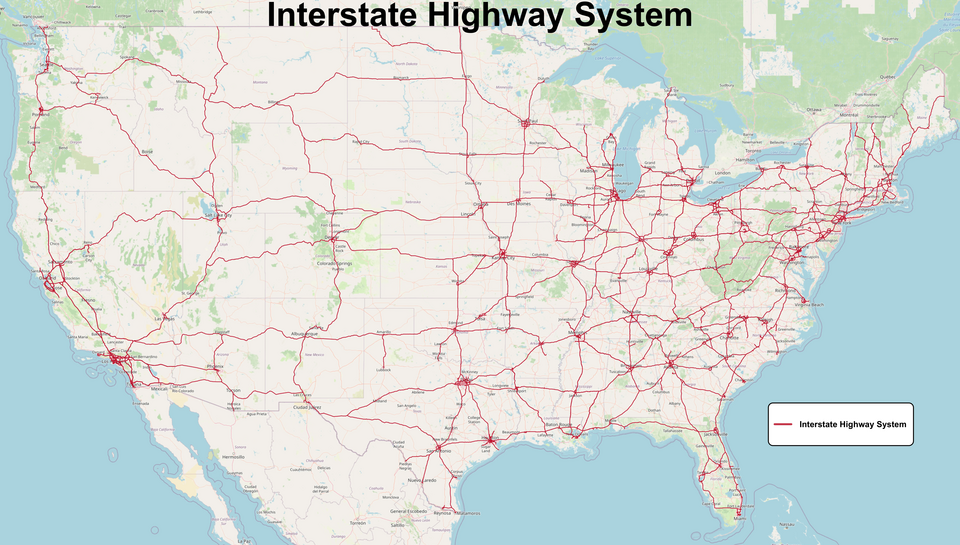
Built roughly 48,000 route miles of limited-access highways for freight, commuting, defense mobility, tourism, and national market integration.
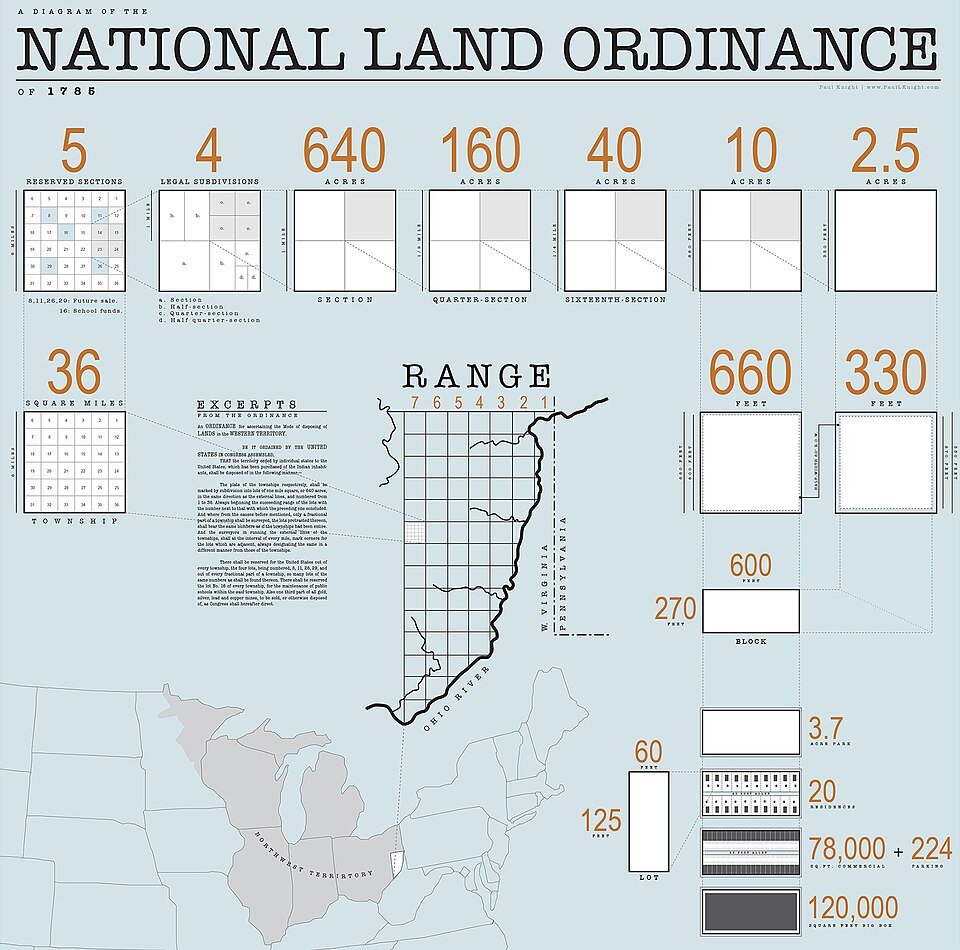
Mapped public land into six-mile townships and 36 sections, creating the property grid used across parts of 30 states.
Built the early national mail network; post roads grew from about 1,875 miles in 1790 to 240,594 miles by 1860.
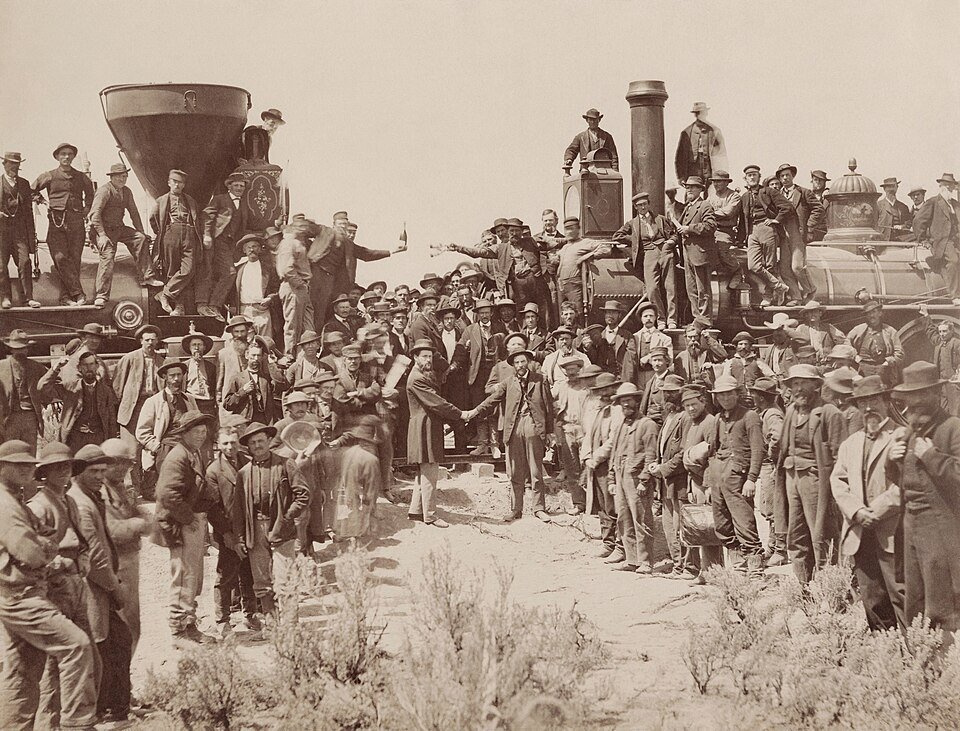
Built a 1,912-mile rail link from the Missouri River/Council Bluffs area to the Pacific, cutting coast-to-coast travel from months to days.
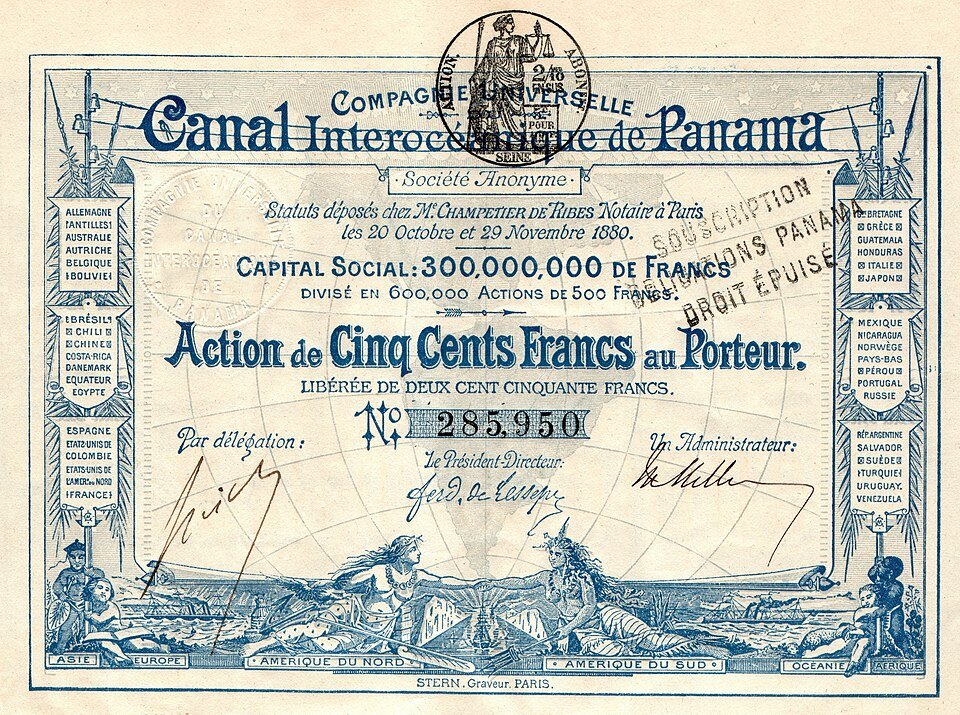
Built a roughly 50-mile Atlantic-Pacific canal with locks, dams, ports, and sanitation works that reshaped global shipping and U.S. naval mobility.
Created a central bank with 12 regional Reserve Banks, national payments infrastructure, bank supervision, and emergency liquidity tools.
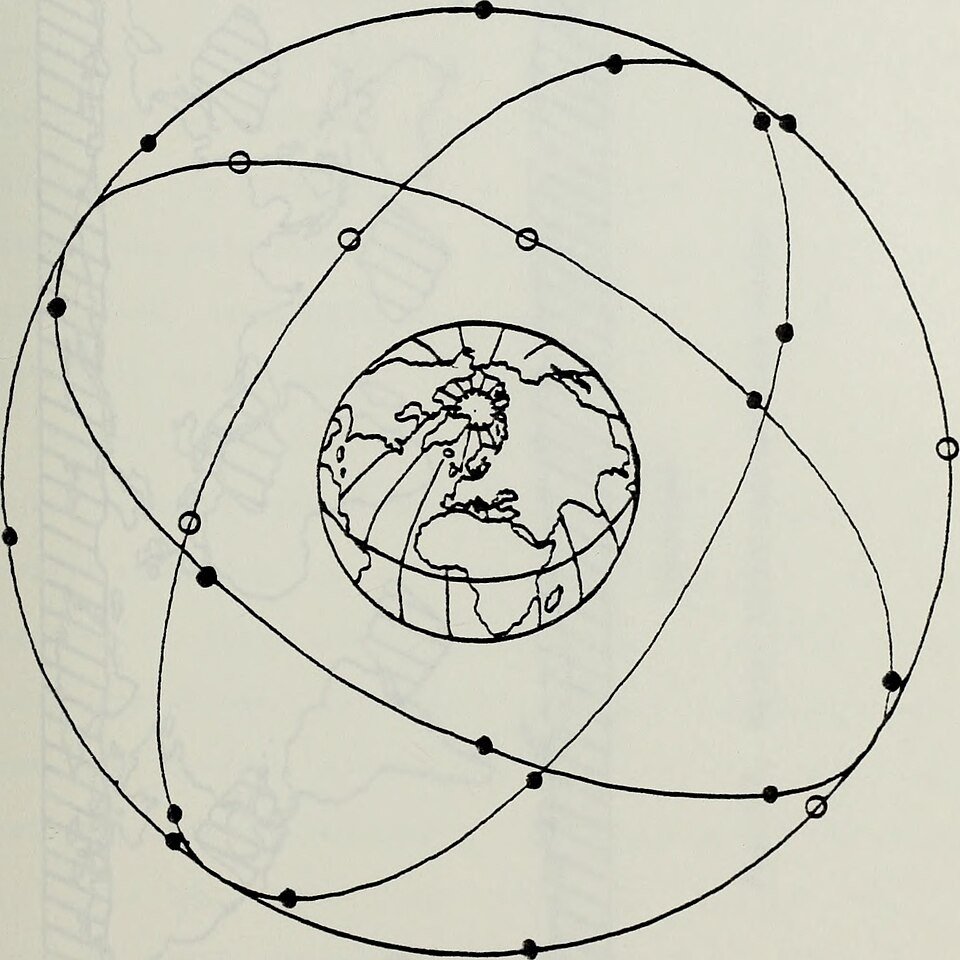
Built a 24+ satellite navigation and timing system used by shipping, aviation, agriculture, finance, phones, mapping, and emergency response.
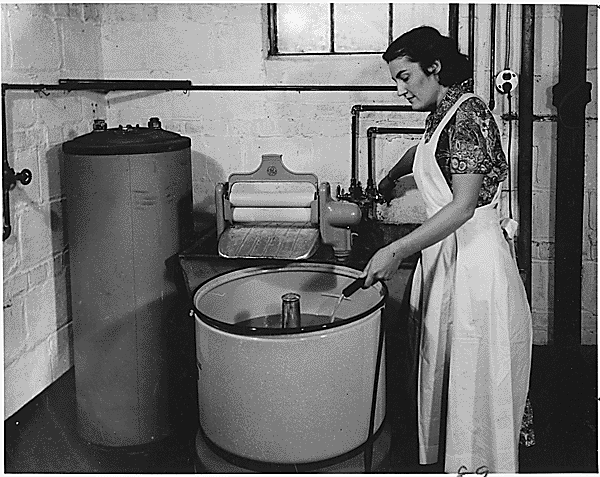
Financed rural electric cooperatives and distribution lines that moved millions of farms and rural homes onto the electric grid.

Built a regional system of dams, reservoirs, locks, power plants, transmission lines, and fertilizer/agriculture programs across the Tennessee Valley.
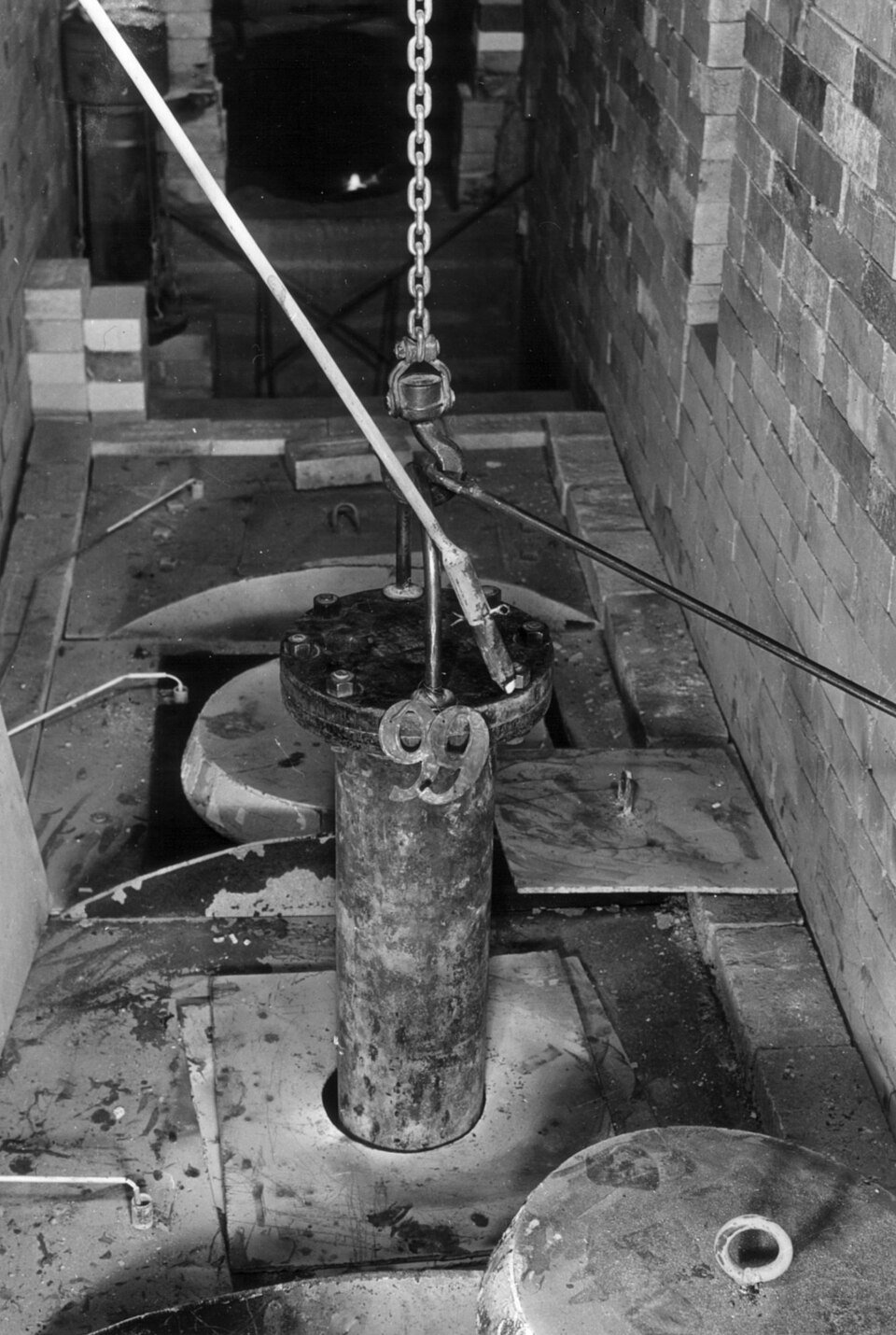
Built the laboratories, production plants, reactors, and weapons that produced atomic bombs and created the nuclear age.
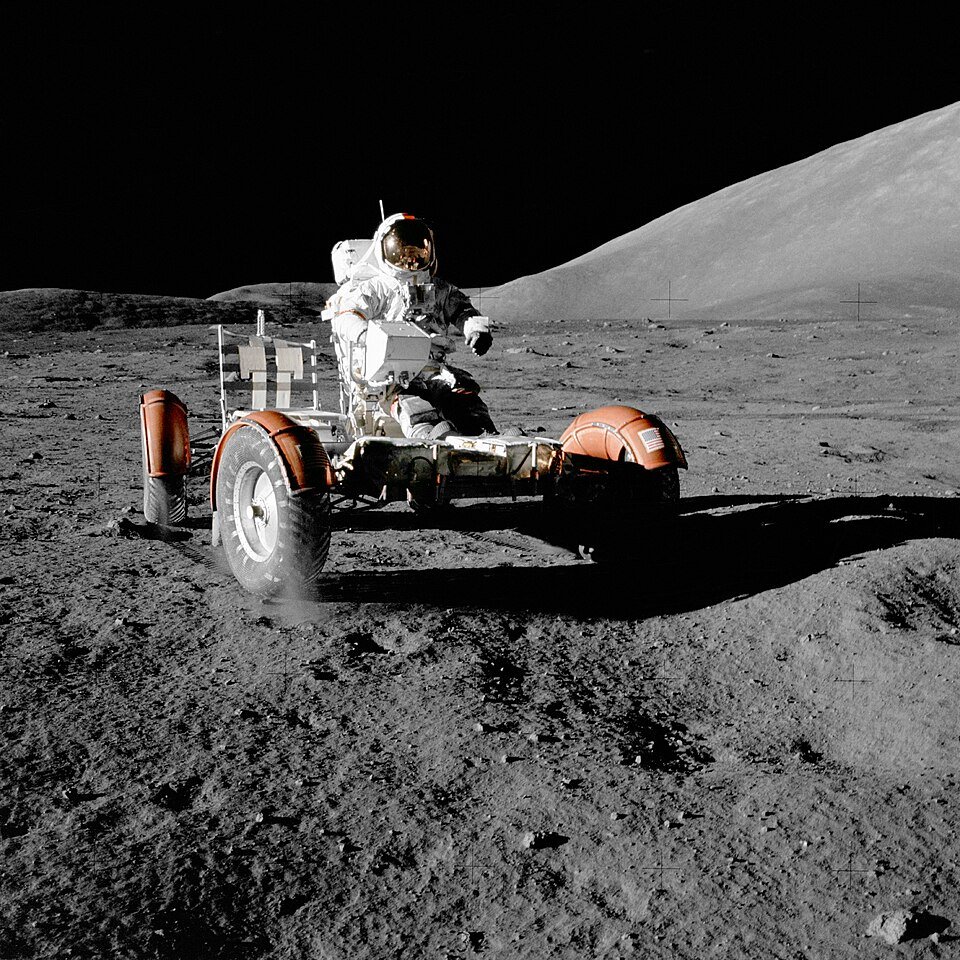
Built Saturn V rockets, spacecraft, lunar modules, launch facilities, tracking networks, and mission systems that landed 12 Americans on the Moon.
Built public colleges using federal land grants for agriculture, engineering, military science, extension, and applied research.
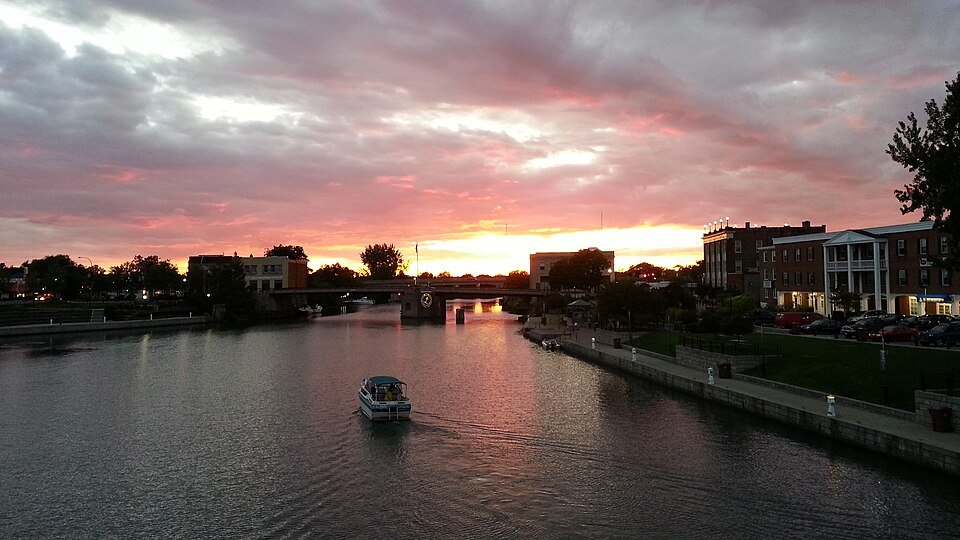
Built a 363-mile canal from the Hudson River to Lake Erie, cutting transport costs and turning New York into a national trade gateway.
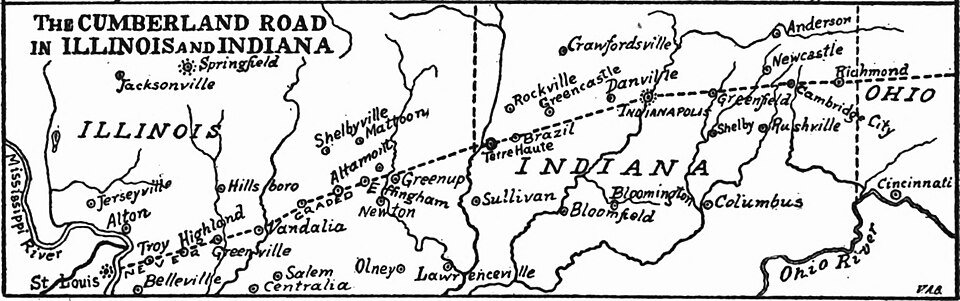
Built the first major federally funded road west from Cumberland, Maryland toward the Ohio Valley, opening inland settlement and commerce.
Built and maintained federal river, harbor, channel, and navigation works that opened inland and coastal commerce before and after the railroad age.
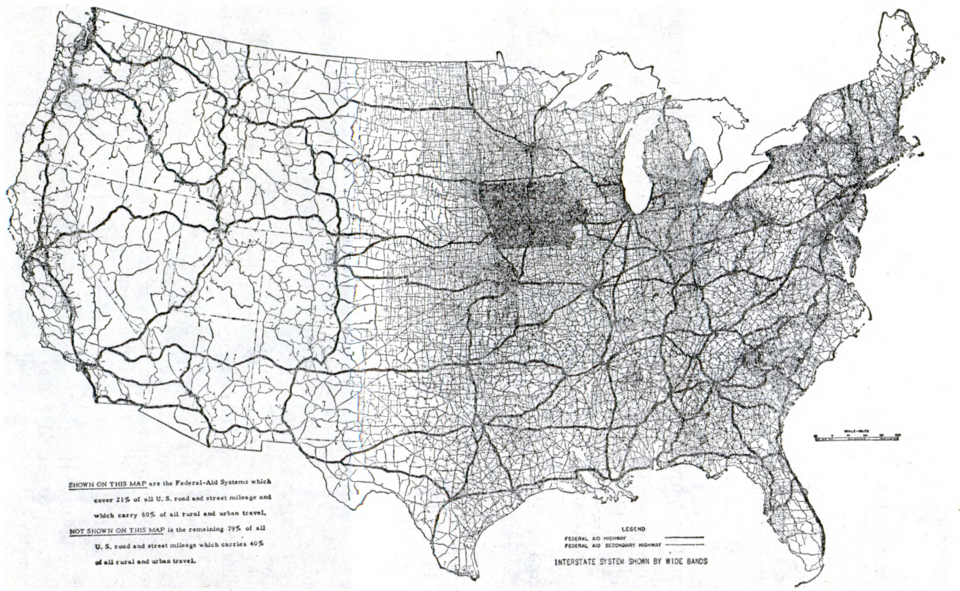
Built the federal-aid road program and numbered U.S. highway network that carried auto-era travel and freight before the Interstate system.
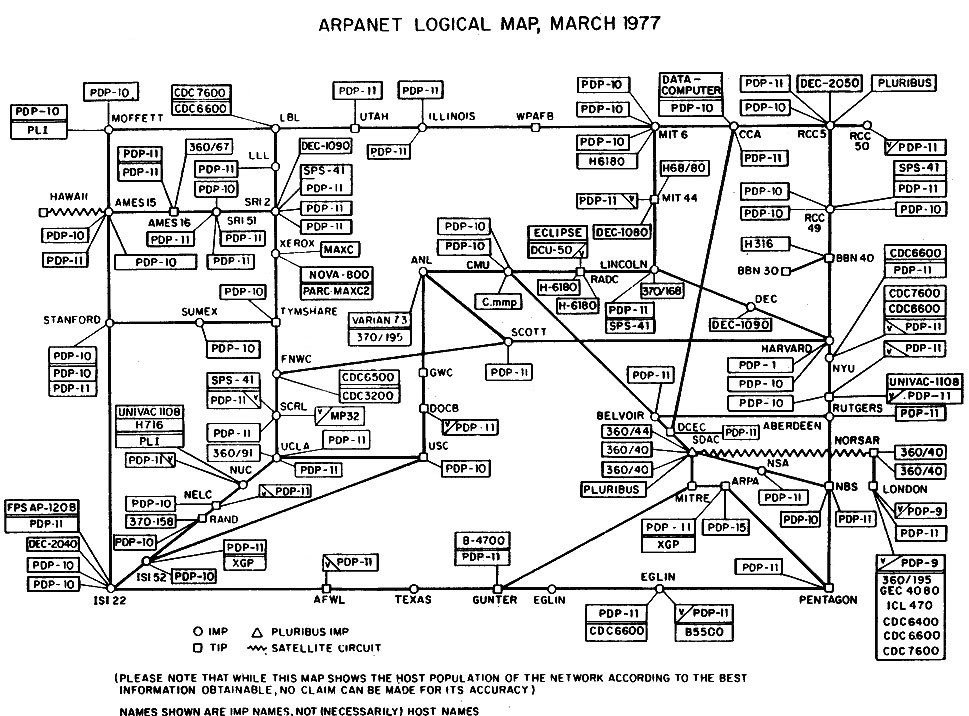
Built the first ARPA packet-switched computer network, starting with four nodes in 1969, and seeded the modern internet.
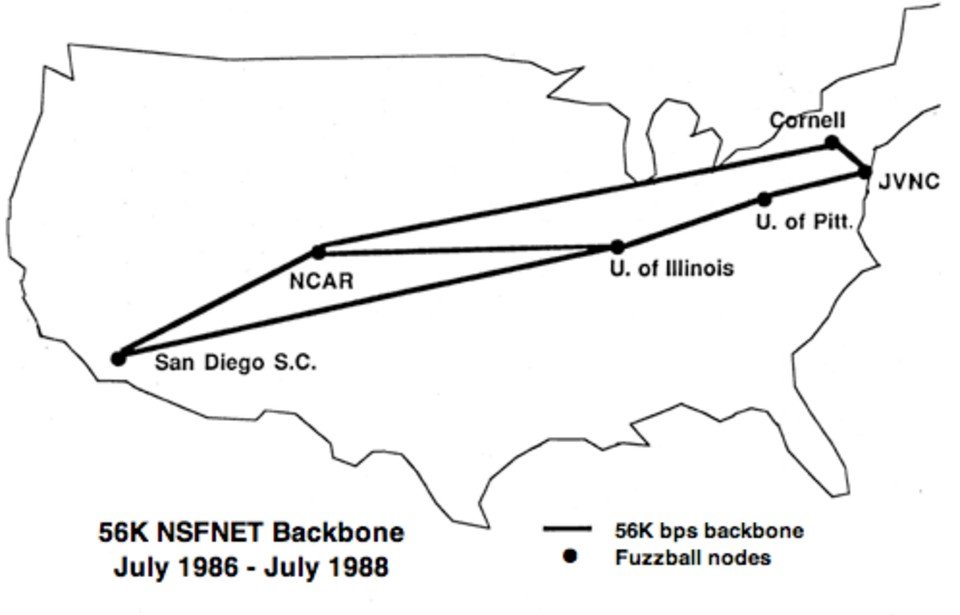
Built the National Science Foundation backbone that connected universities and research networks and helped scale the internet beyond ARPANET.
Funded municipal wastewater treatment plants, pumping stations, sewers, system rehabilitation, and combined-sewer-overflow controls after the Clean Water Act.
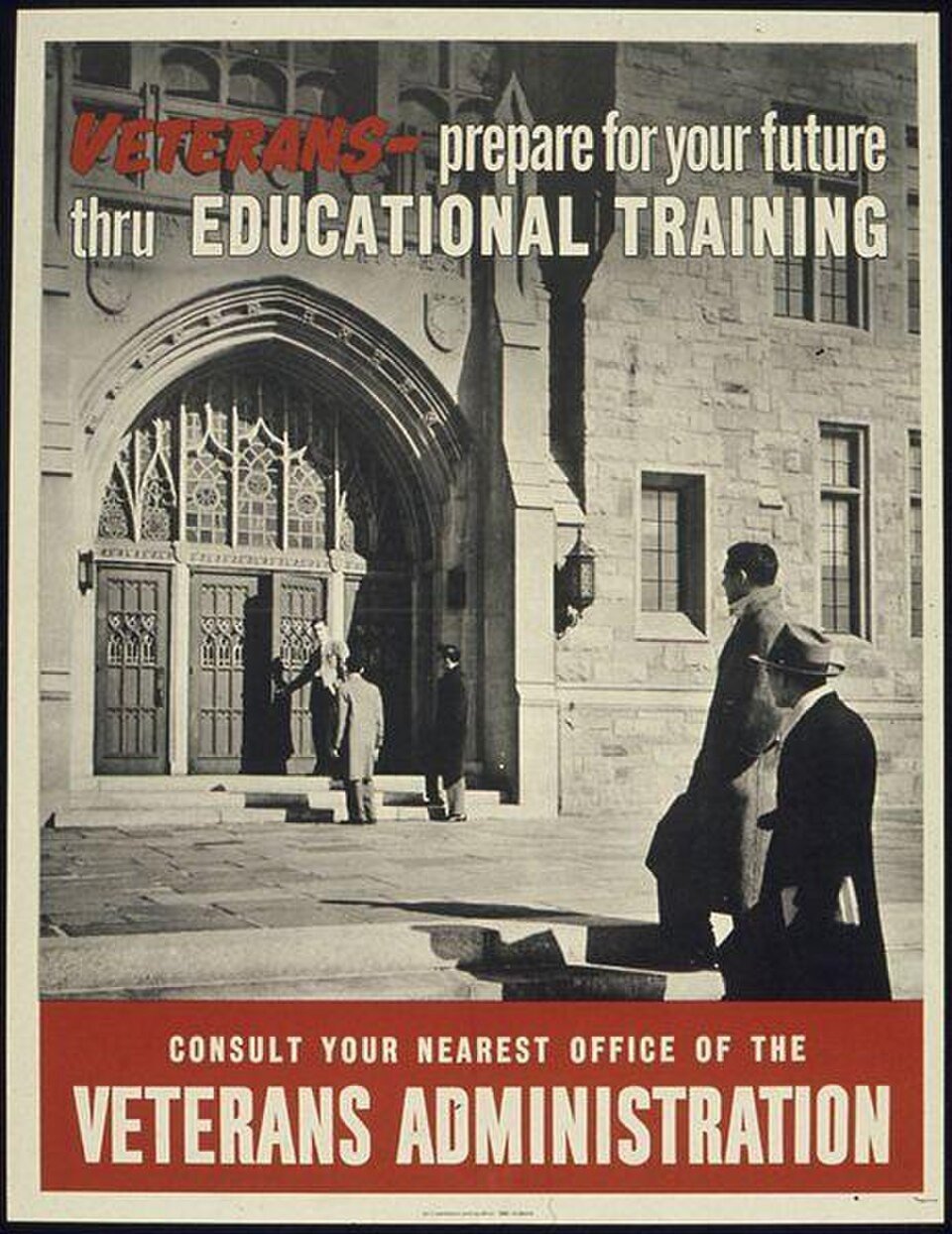
Financed college, training, unemployment support, and home loans for millions of veterans, expanding the postwar middle class.
Built a federal mortgage-insurance system that standardized long-term home lending and insured more than 50 million mortgages since 1934.
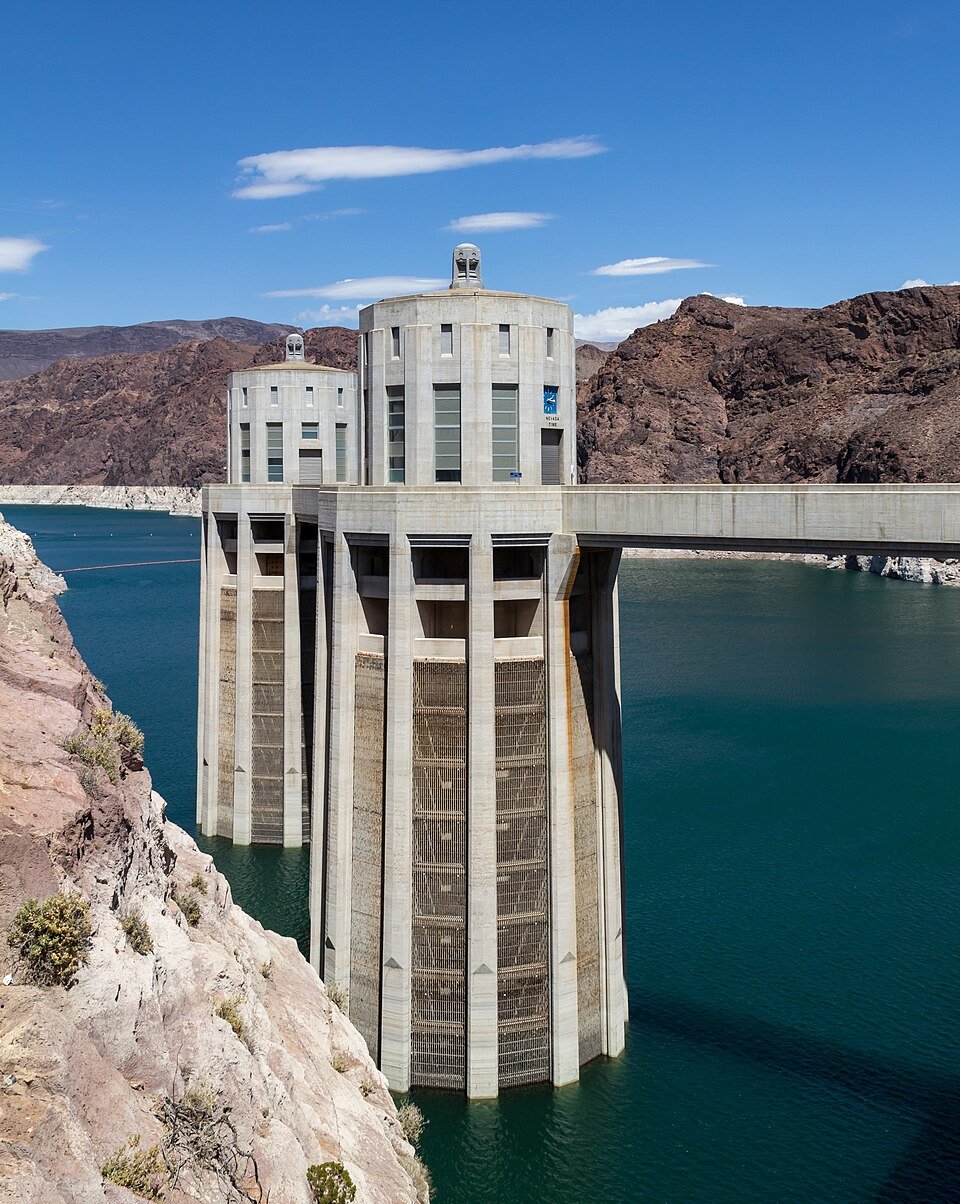
Built a 726-foot concrete dam, Lake Mead, generators, and Colorado River controls that powered and watered the modern Southwest.
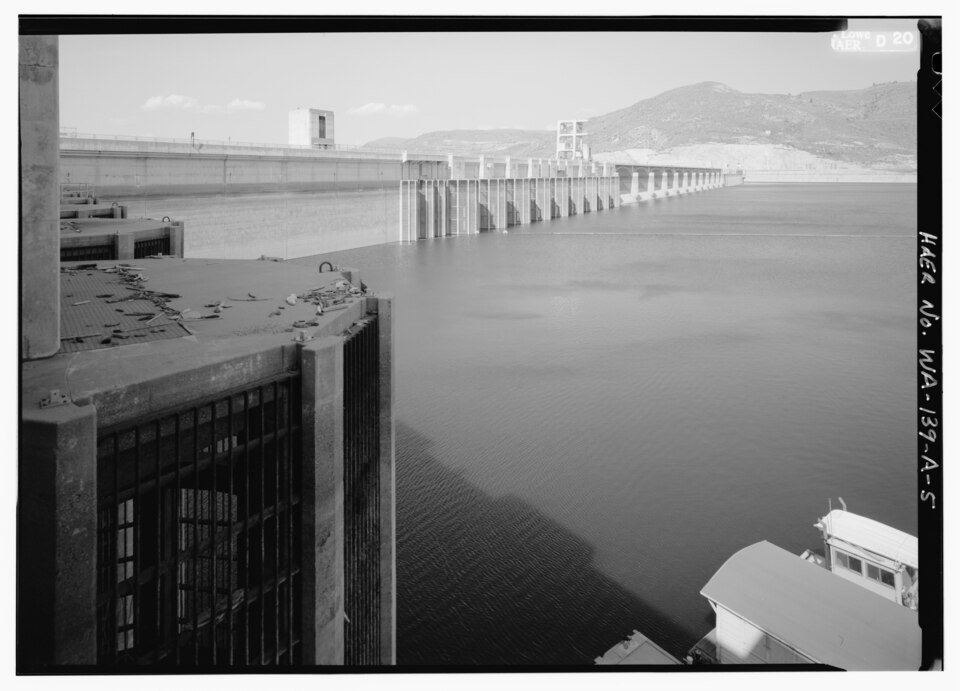
Built a 550-foot Columbia River dam, powerhouses, pumps, canals, and irrigation works for hydropower and Columbia Basin farming.
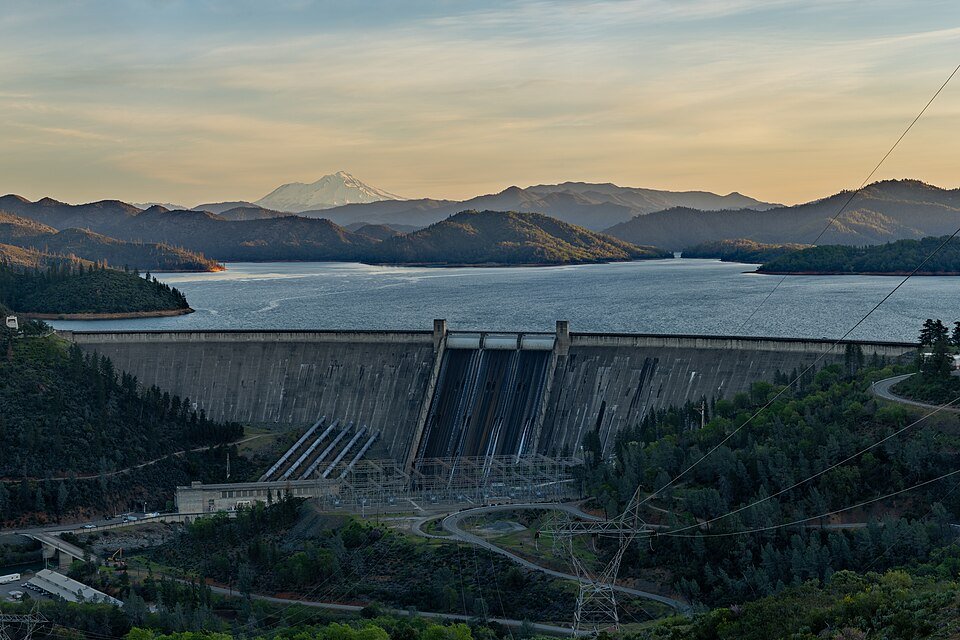
Built Shasta Dam and federal Central Valley water works to move, store, and regulate water for farms, cities, flood control, and power.
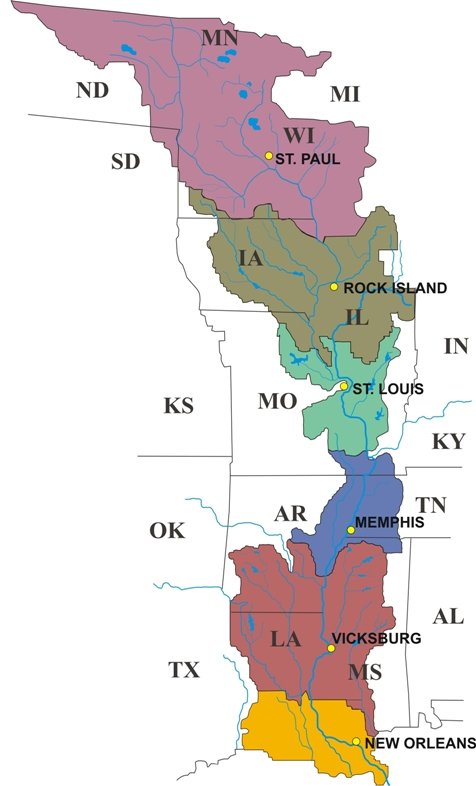
Built levees, floodways, channel improvements, and control structures to reduce flood risk across the lower Mississippi basin.
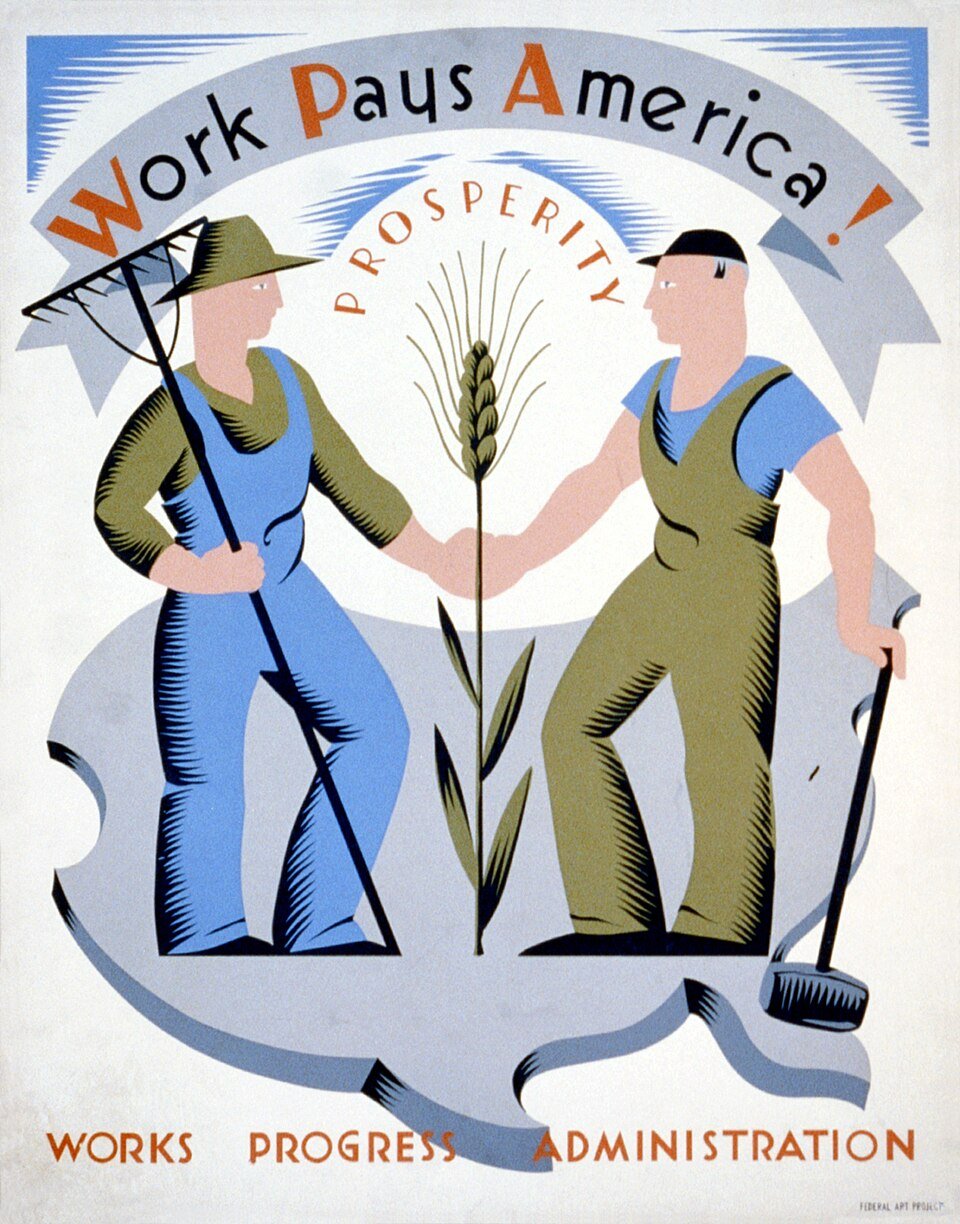
Built or improved roads, bridges, schools, parks, airports, public buildings, and records projects while employing millions during the Depression.
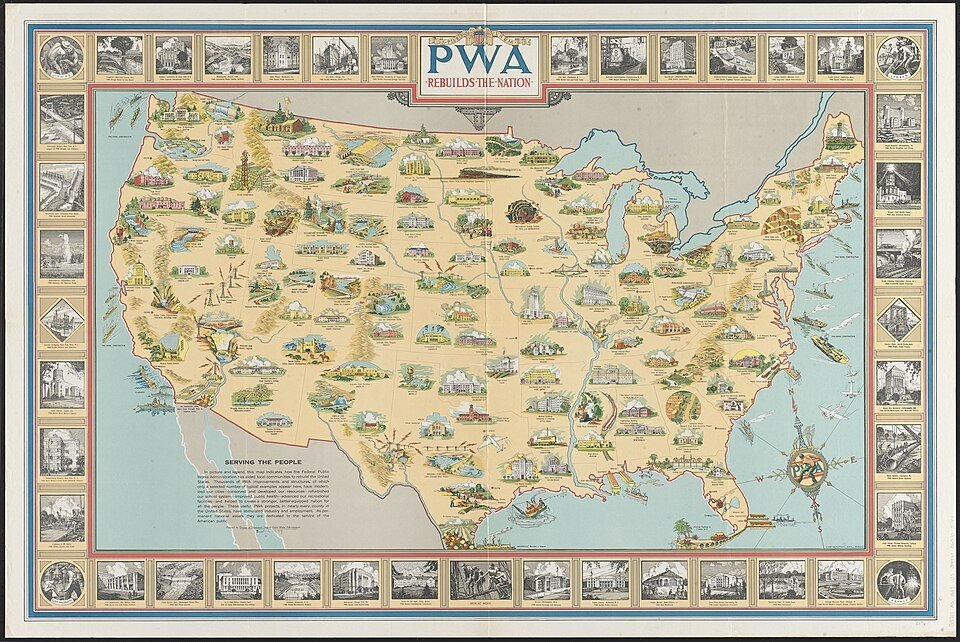
Financed large public works - schools, dams, bridges, hospitals, water systems, and civic buildings - through federal grants and loans.
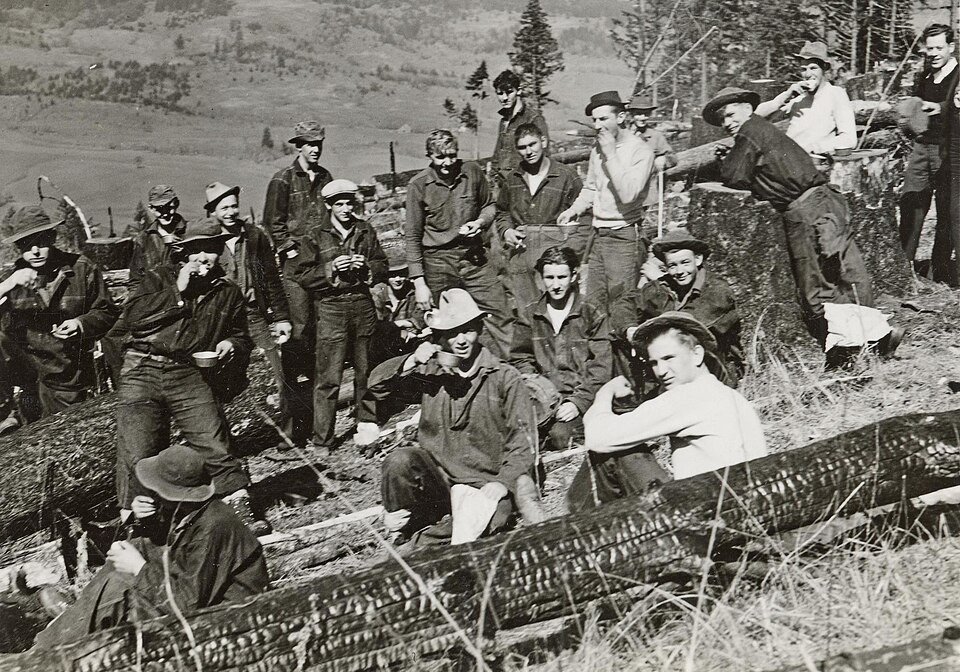
Built trails, roads, parks, firebreaks, soil-conservation works, and public-land infrastructure while employing about 3 million young men.
Built the payroll-tax, recordkeeping, claims, and payment system for national old-age, survivor, disability, and family benefits.
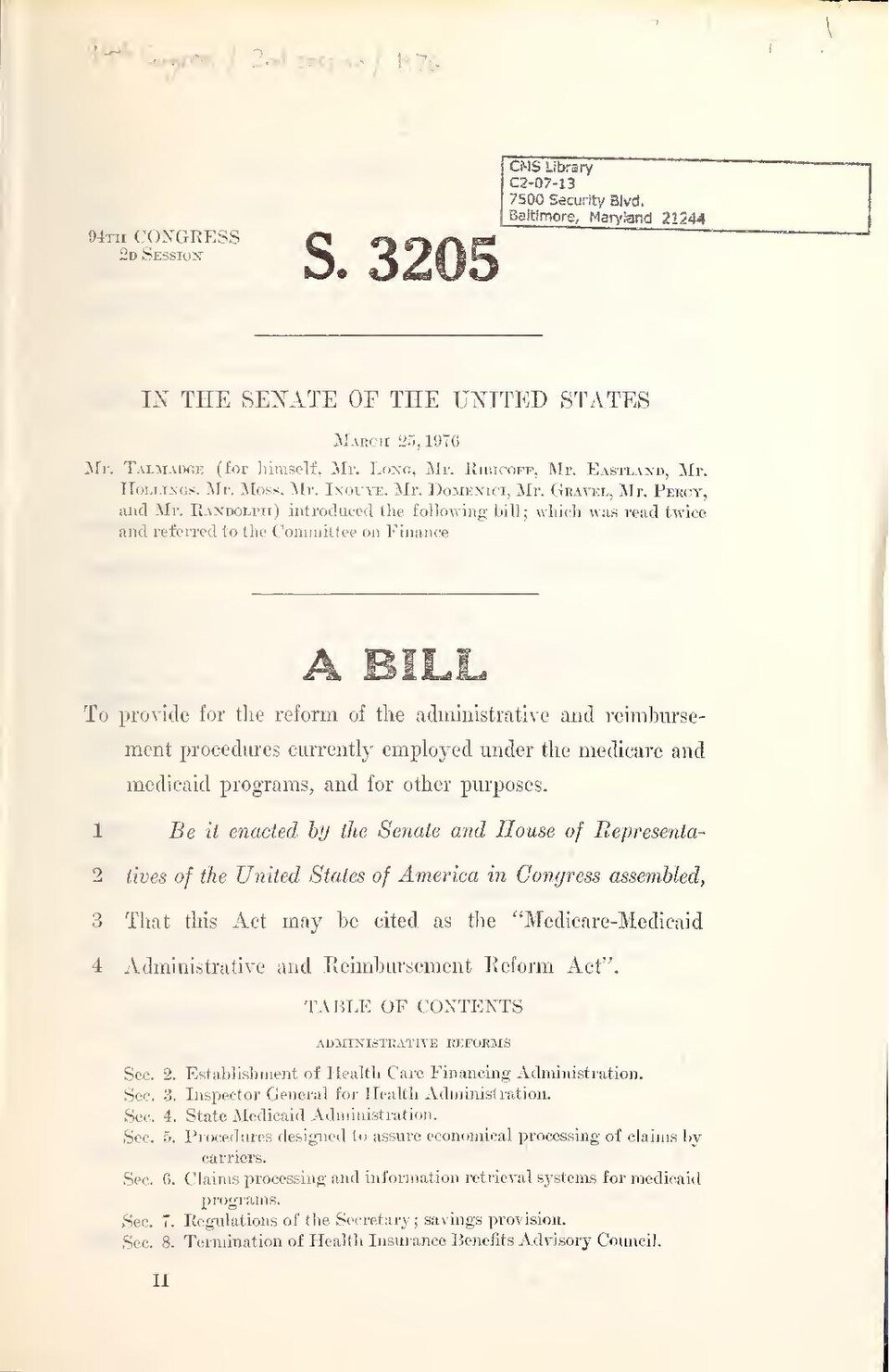
Built federal-state health-financing systems that paid hospitals, doctors, nursing homes, and health plans for older, disabled, and low-income Americans.
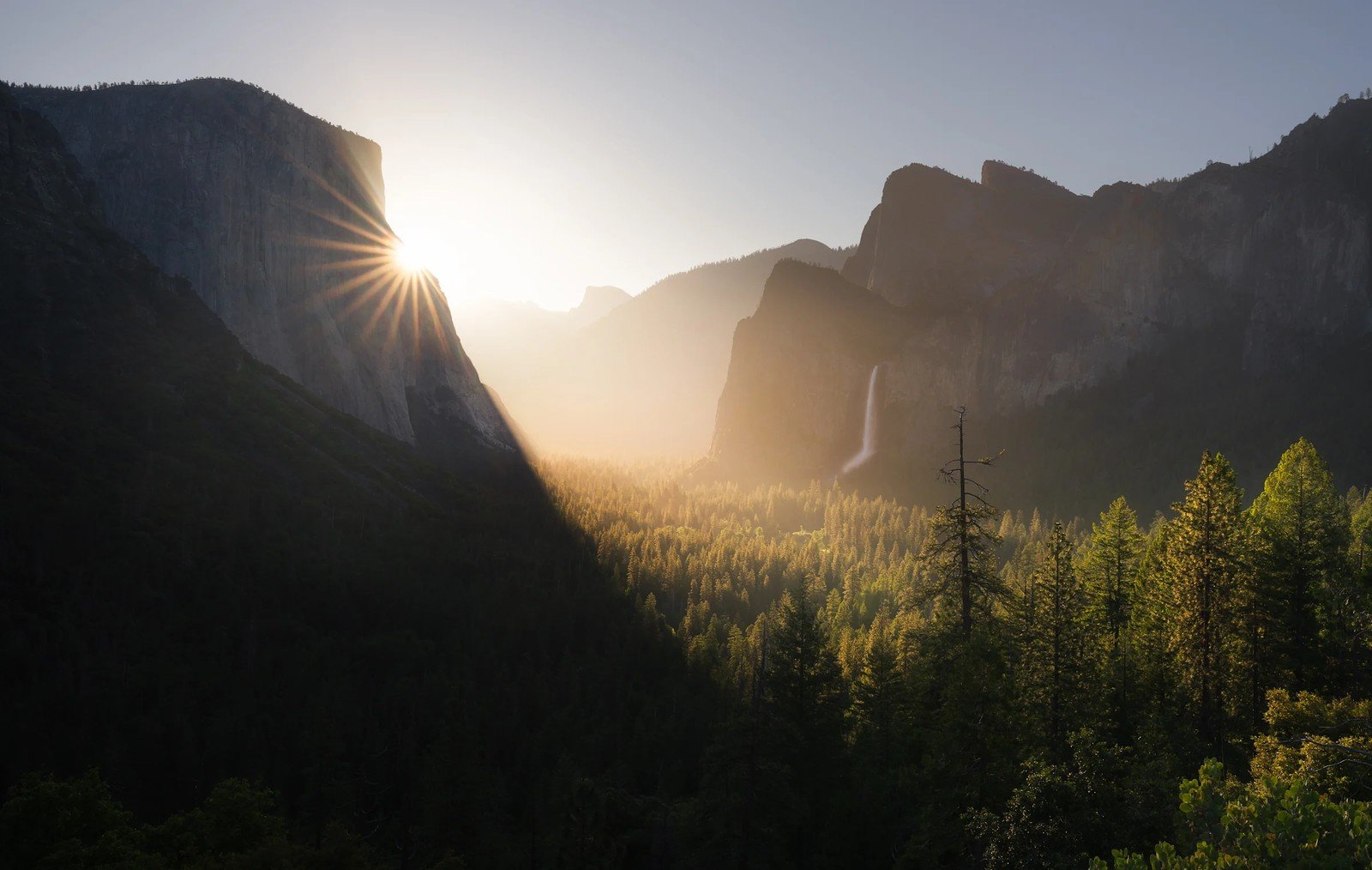
Built and managed a national parks system of roads, trails, visitor facilities, historic sites, and protected landscapes.
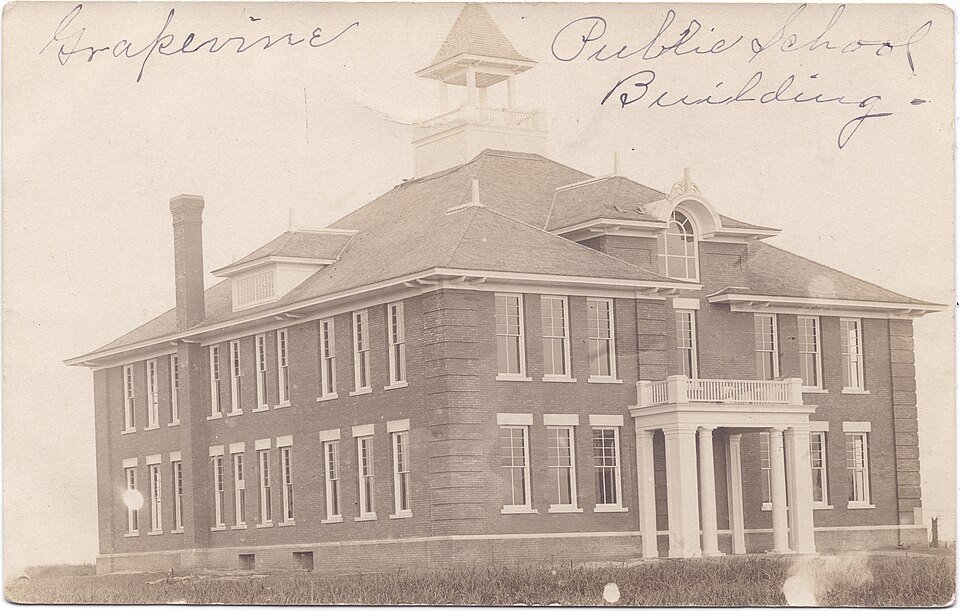
Built tax-supported public schooling into a mass state and local institution for literacy, citizenship, and workforce preparation.
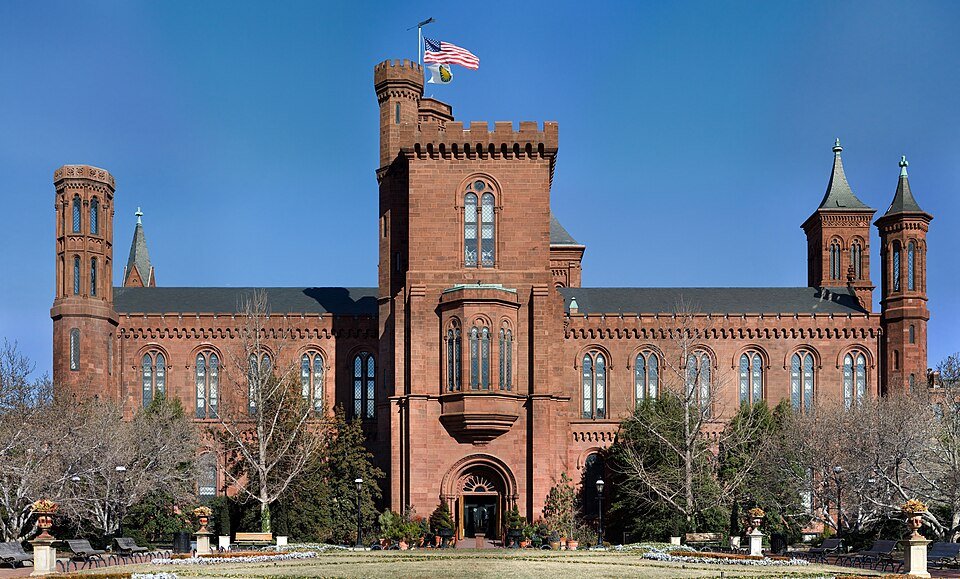
Built a national museum, research, and collections system that preserves science, history, culture, and public knowledge.
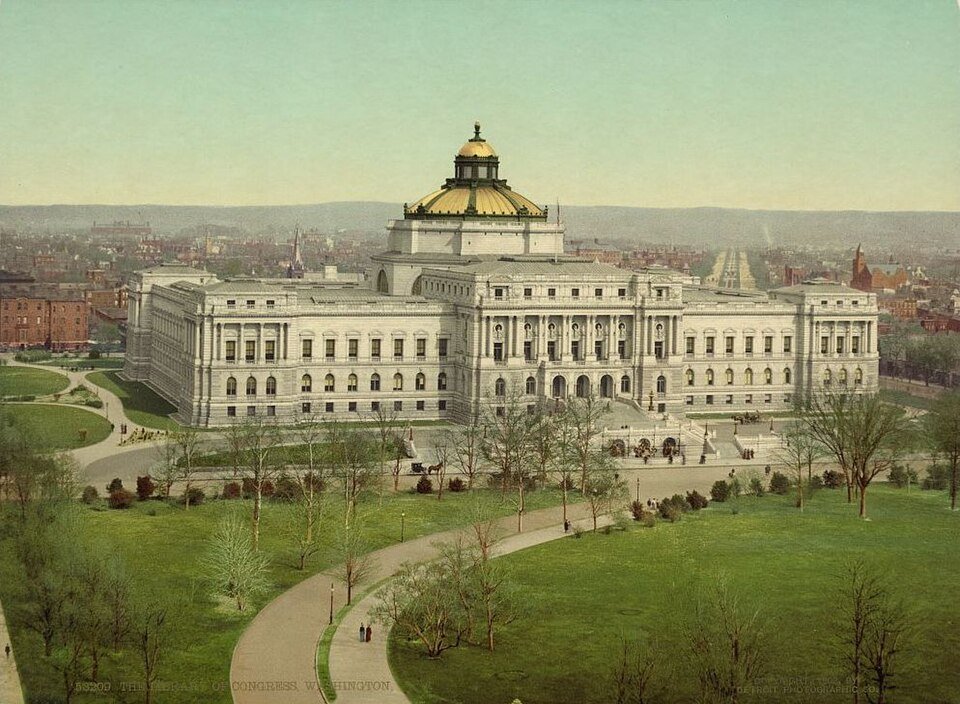
Built the national legislative library, copyright deposit system, and public collections infrastructure for Congress and the country.
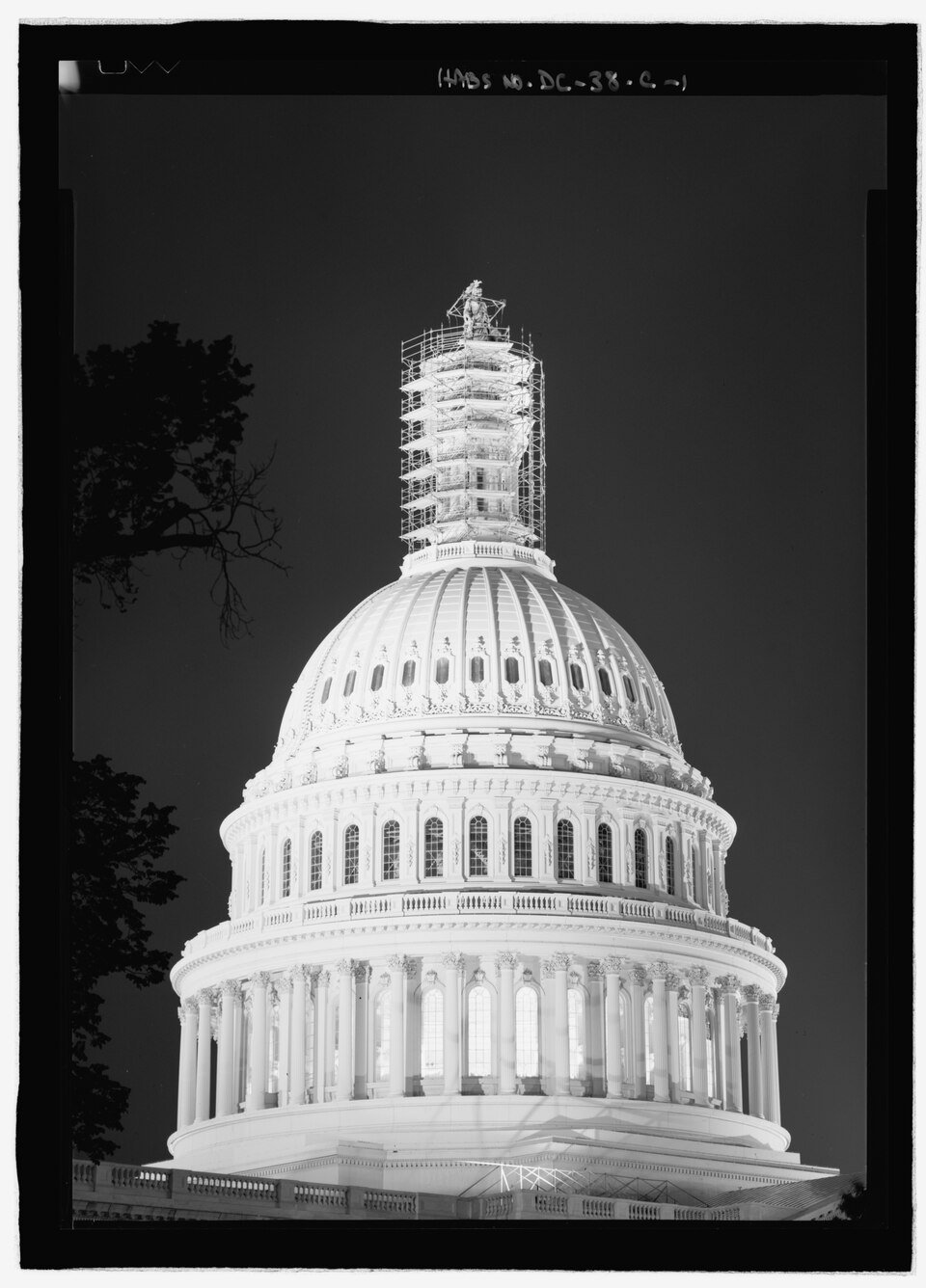
Built the Capitol, federal city plan, public grounds, and national civic core that housed the federal government in Washington, DC.
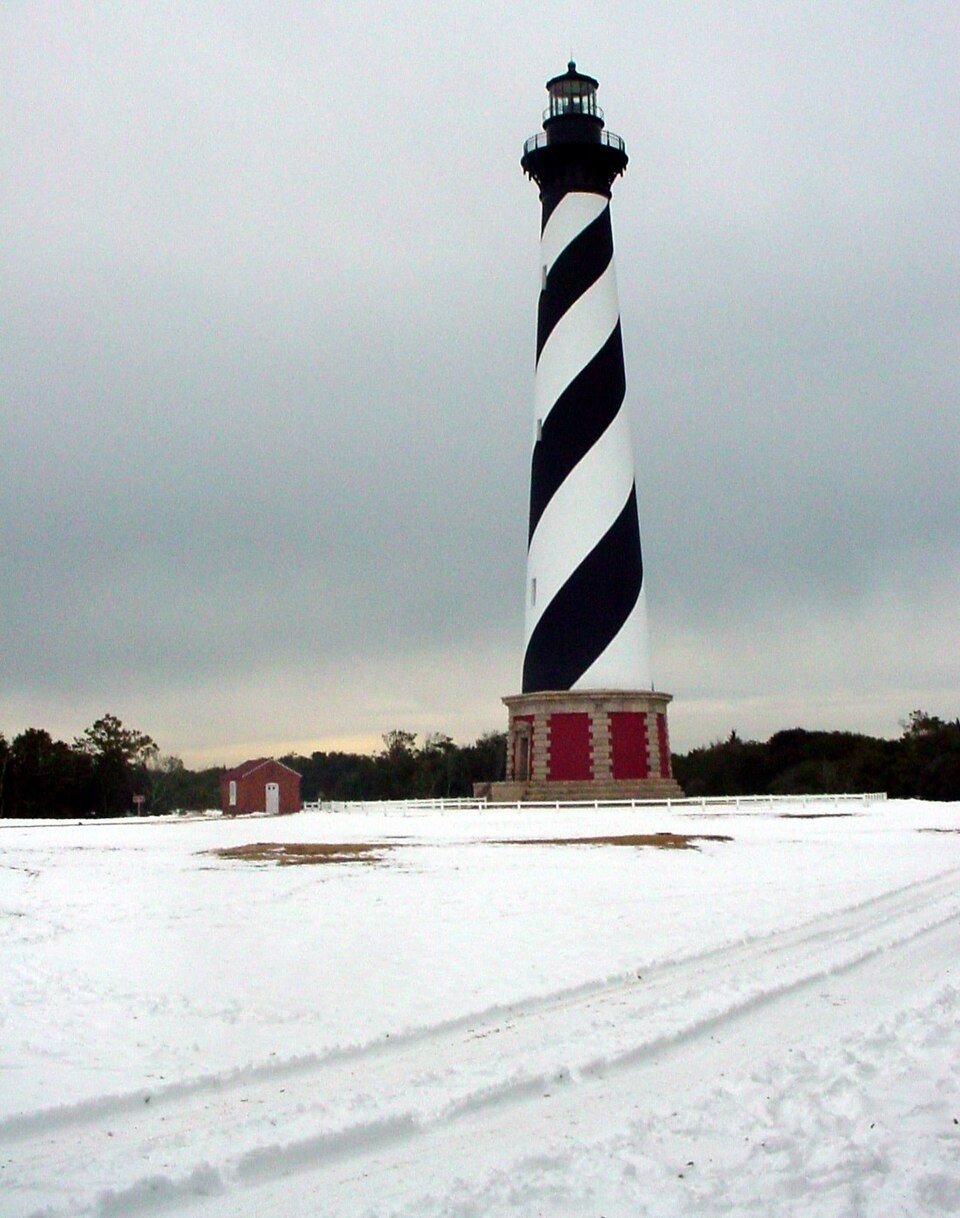
Built and operated federal lighthouses, buoys, beacons, and coastal aids to navigation for safer shipping and harbor commerce.
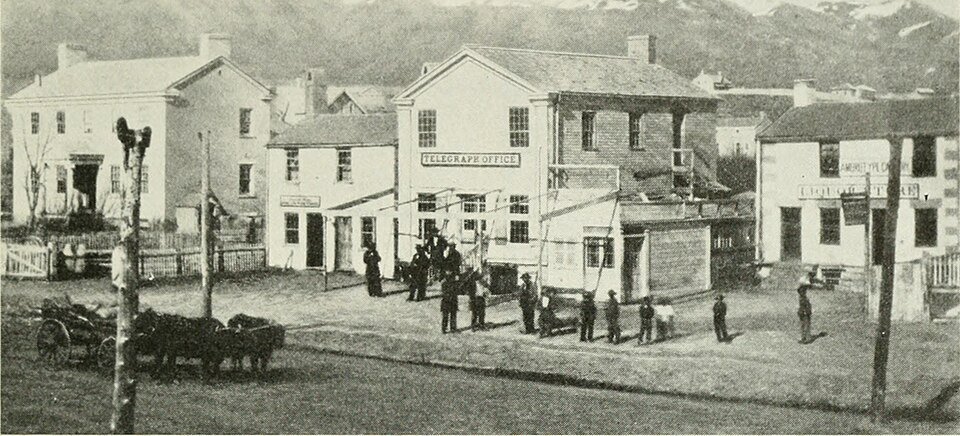
Built the first coast-to-coast telegraph link in 1861, connecting eastern and western communications before the railroad was completed.
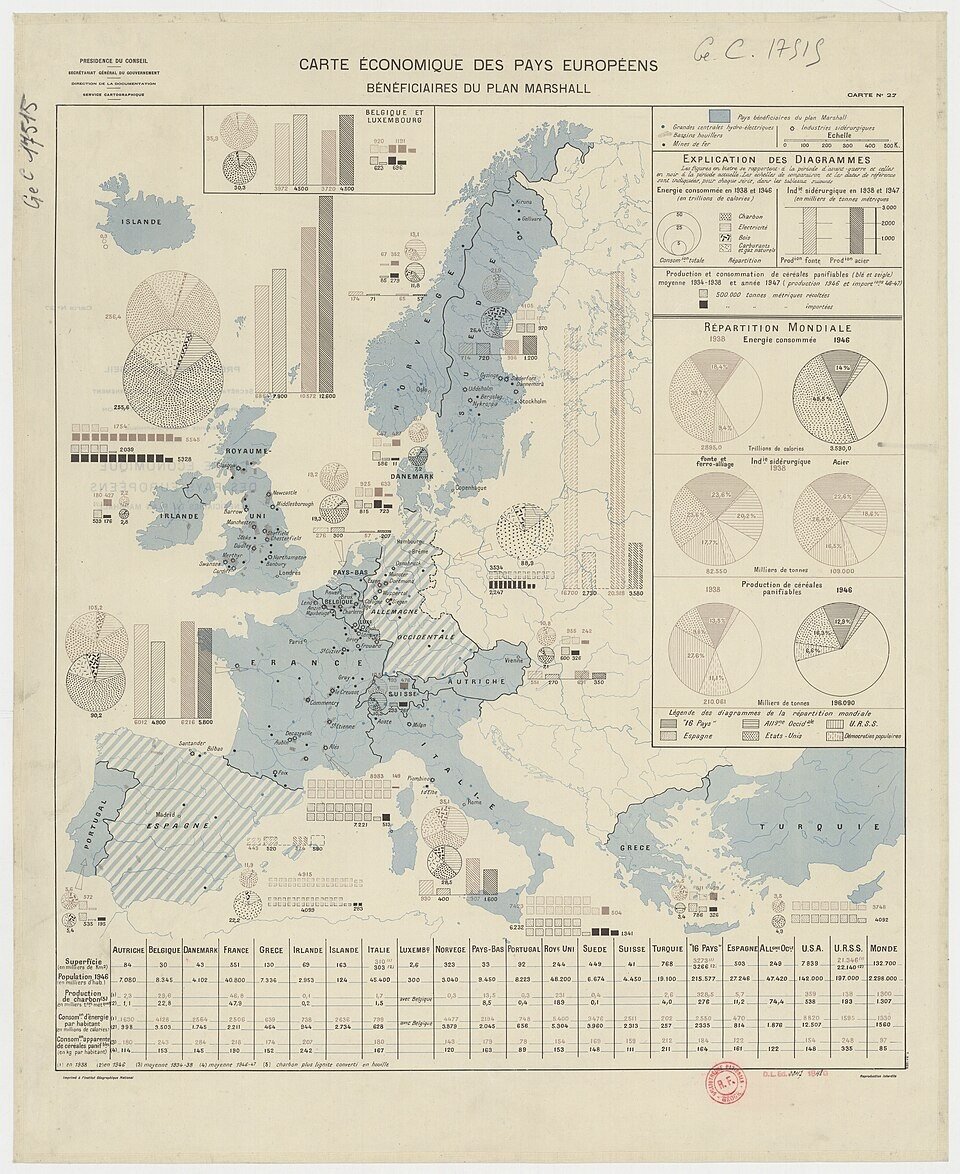
Financed roughly $13.3B in European recovery aid, rebuilding allies, markets, and U.S.-led postwar economic institutions.
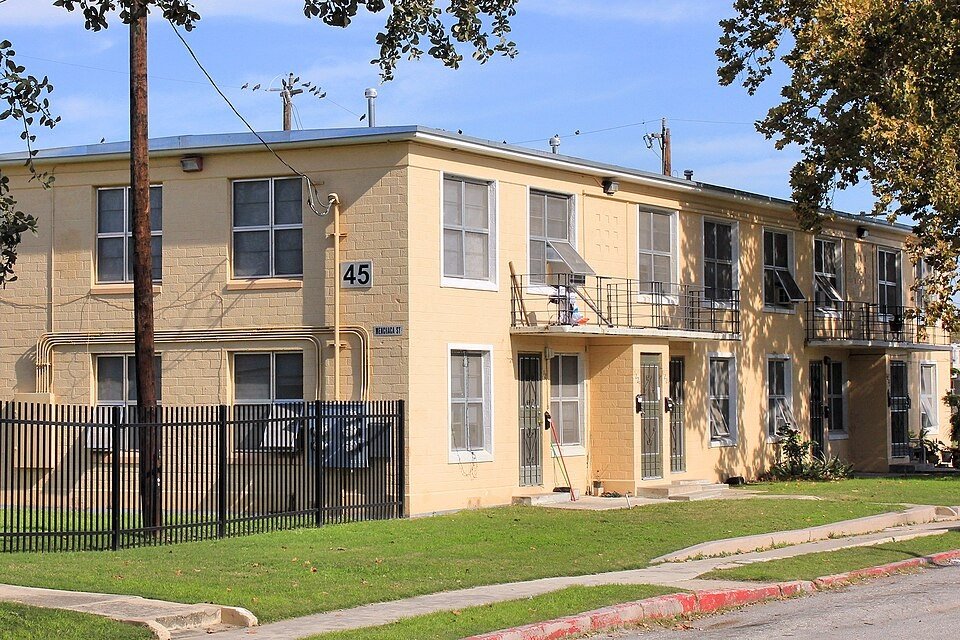
Created the first permanent federal public-housing program, financing locally operated housing projects and slum-clearance construction.
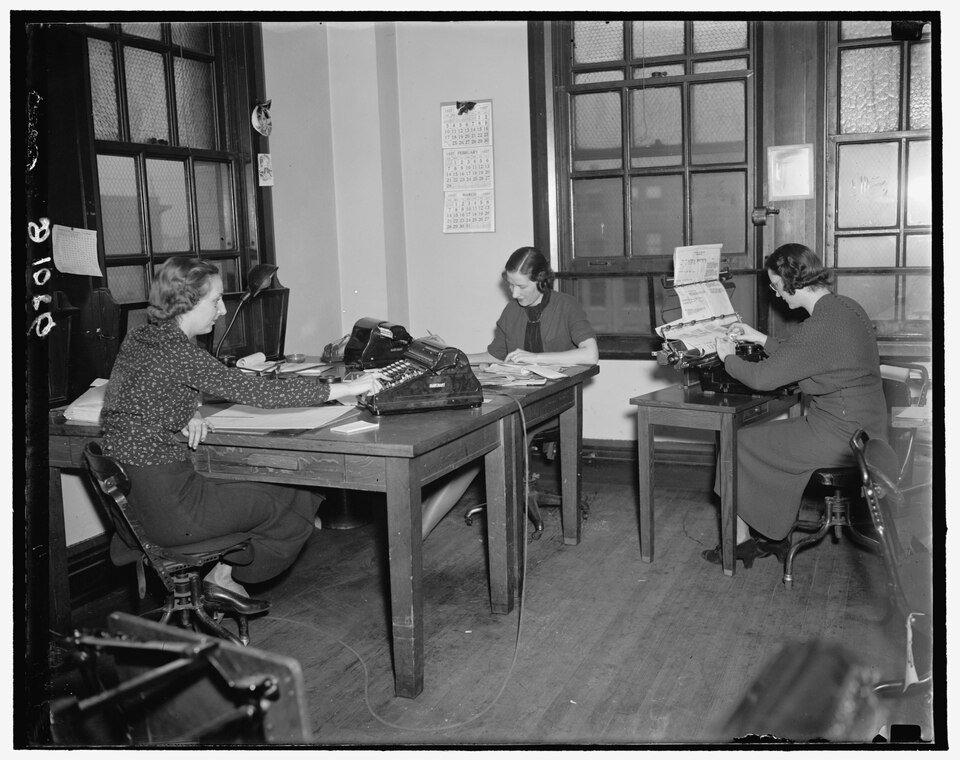
Created a federal lending institution that stabilized banks, railroads, state and local governments, housing, agriculture, exports, and war production finance.
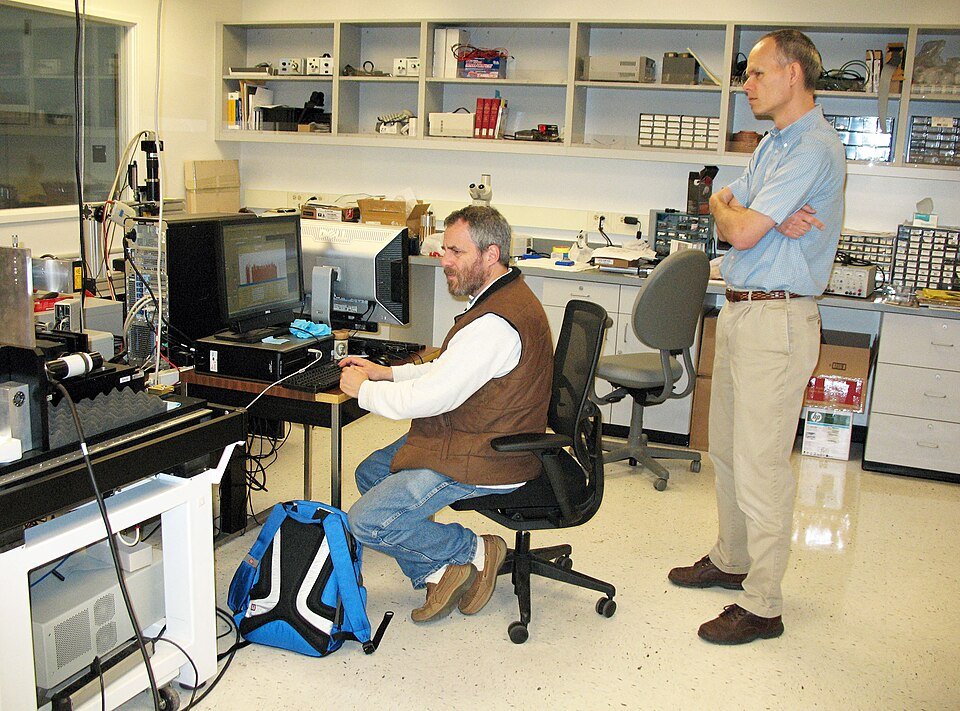
Built a federal lab network for nuclear science, energy, defense, computing, materials, and large-scale research facilities.
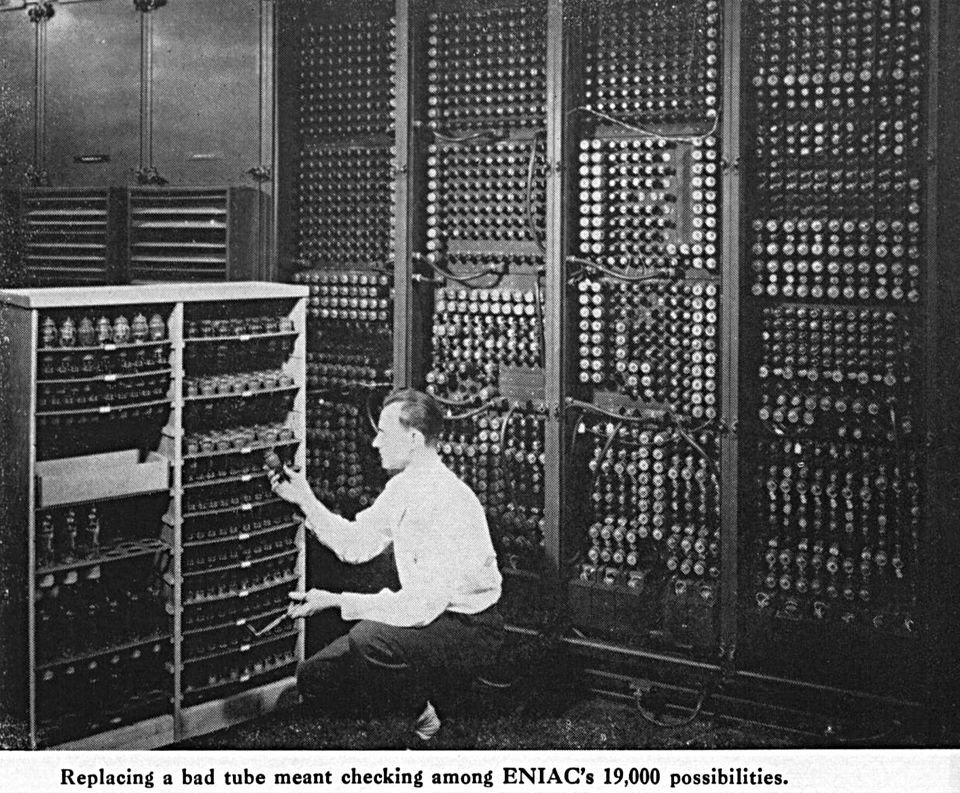
Built ENIAC and follow-on military computing systems that turned electronic calculation into defense, weather, aerospace, and research infrastructure.
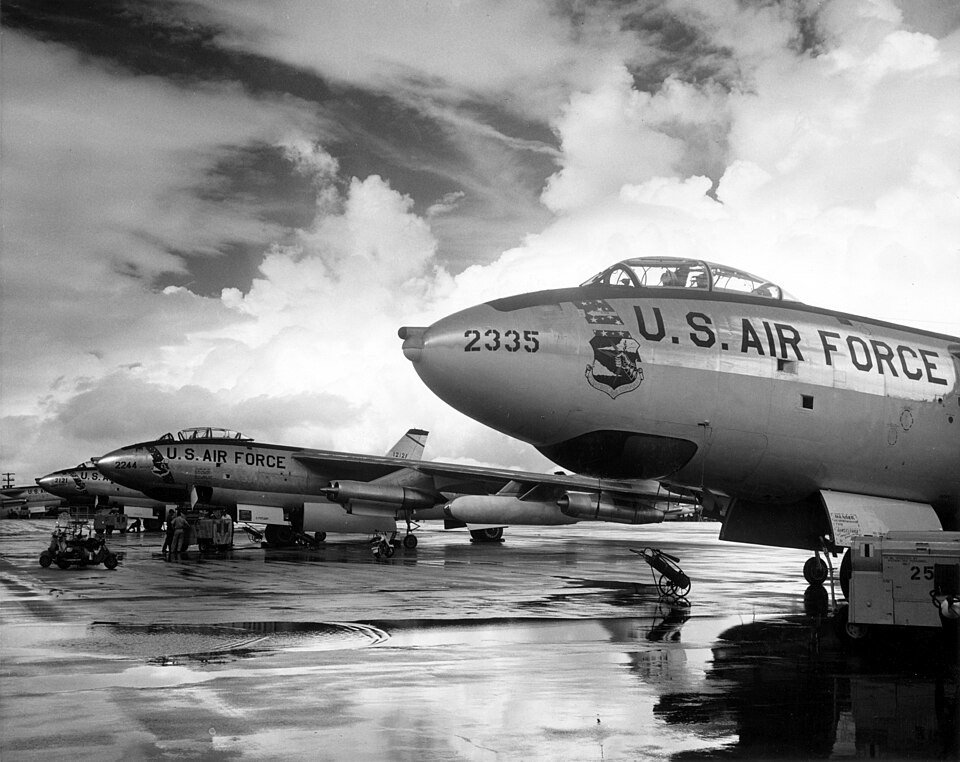
Built bomber bases, missile silos, command networks, warning systems, and hardened infrastructure for Cold War nuclear deterrence.
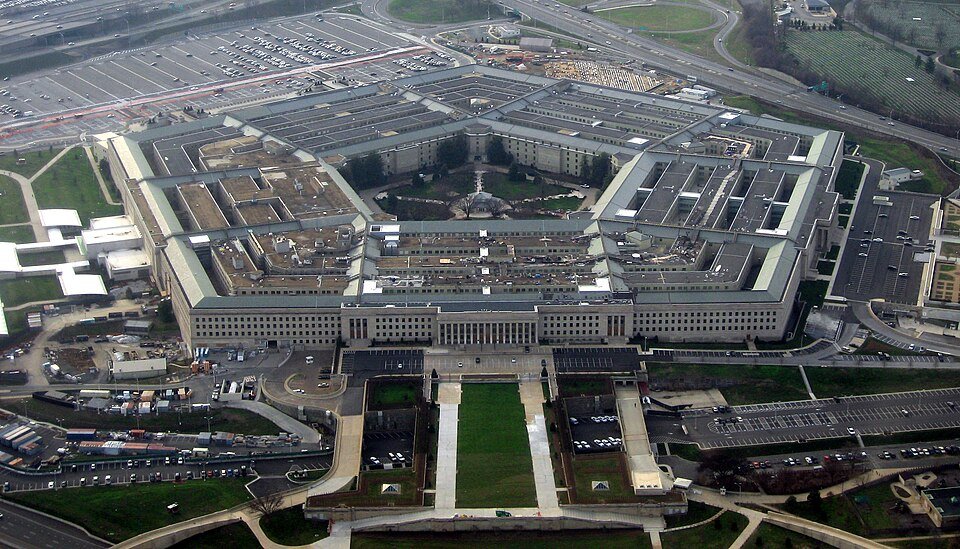
Built a five-sided military headquarters of about 6.5 million square feet to centralize War Department and later Defense Department operations.
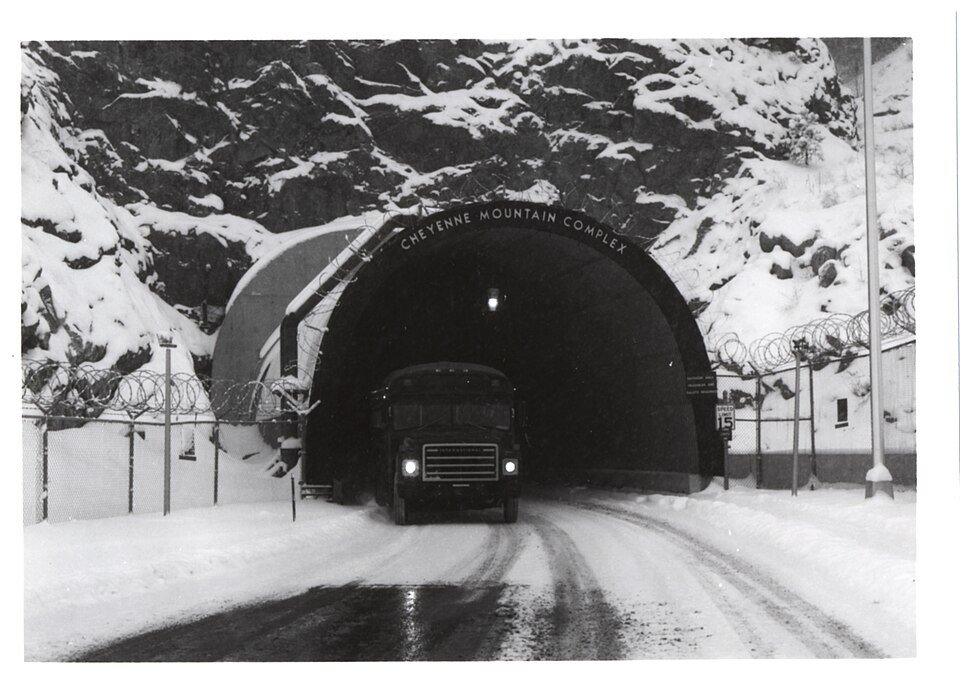
Built a hardened mountain command center for air warning, missile warning, space surveillance, and strategic command continuity.
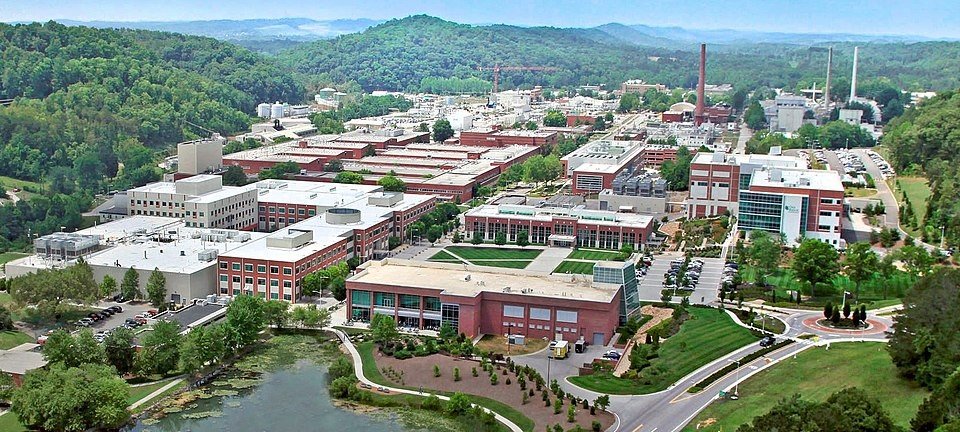
Built a secret wartime production and research reservation that became a major national laboratory and nuclear-science center.
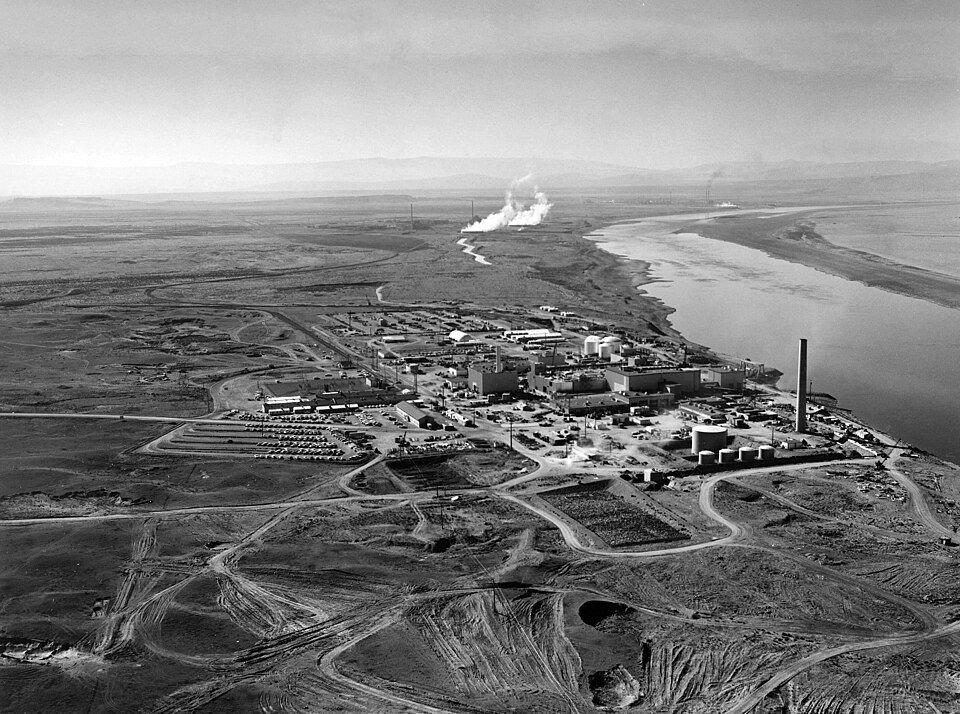
Built plutonium production reactors and chemical separation plants at Hanford for the atomic bomb program and later nuclear complex.
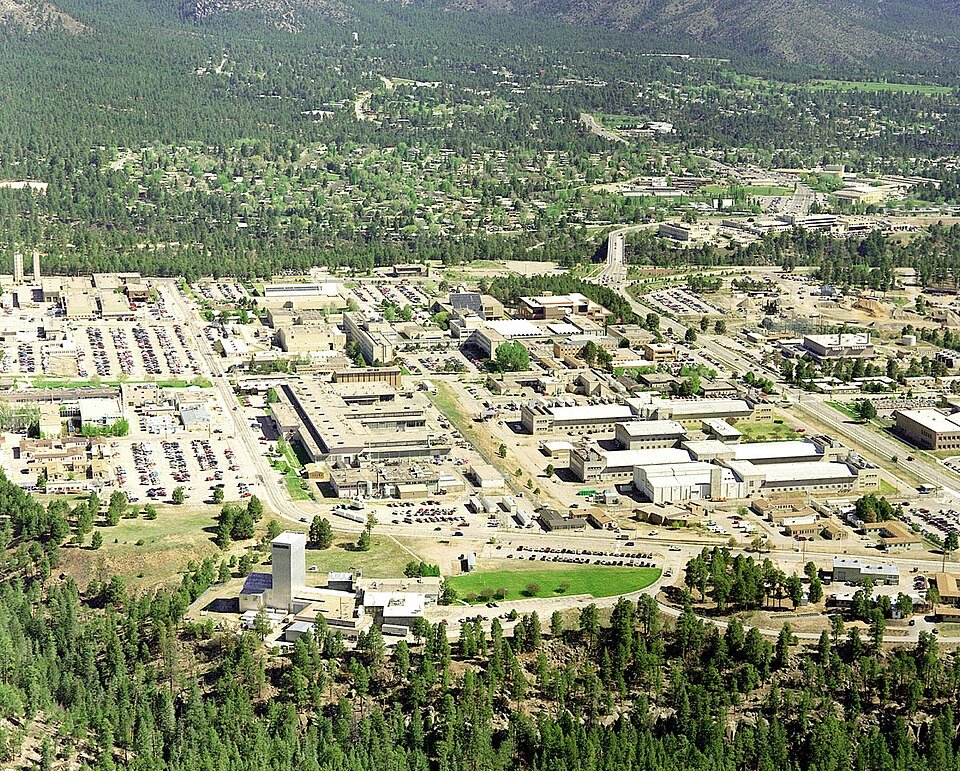
Built the weapons-design laboratory that created the first atomic bombs and became a central national security science institution.
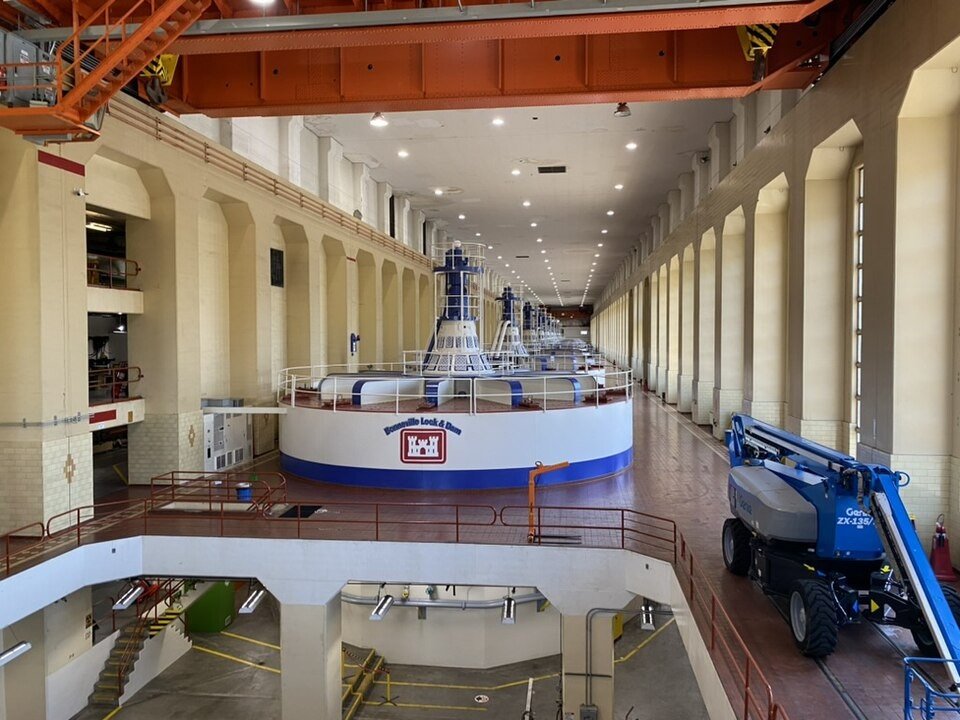
Built a Columbia River dam, navigation lock, powerhouse, and transmission connection for hydropower, navigation, and regional development.
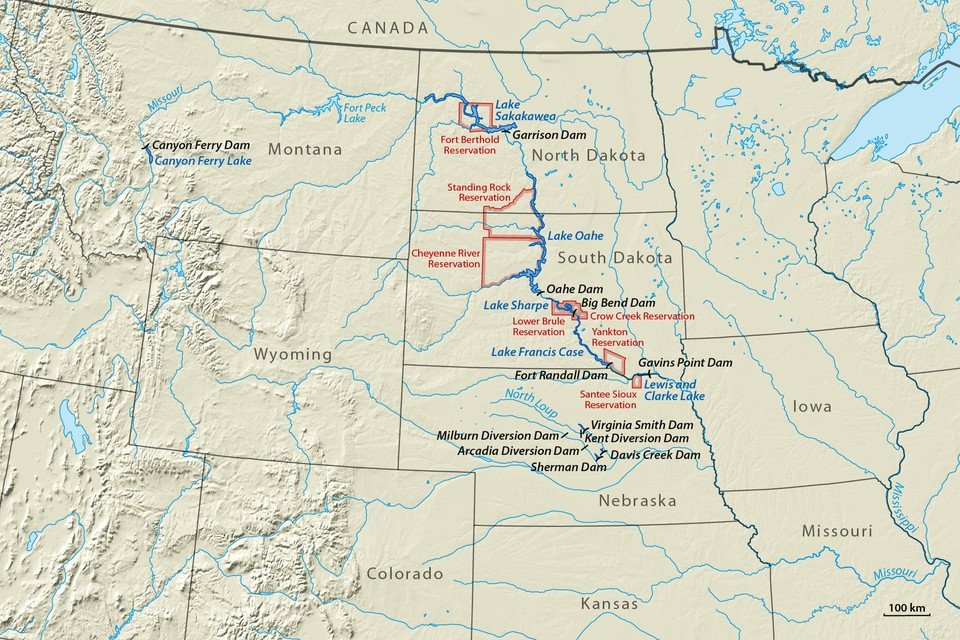
Built a multi-state Missouri River system of dams, reservoirs, power, irrigation, flood-control, and navigation works.
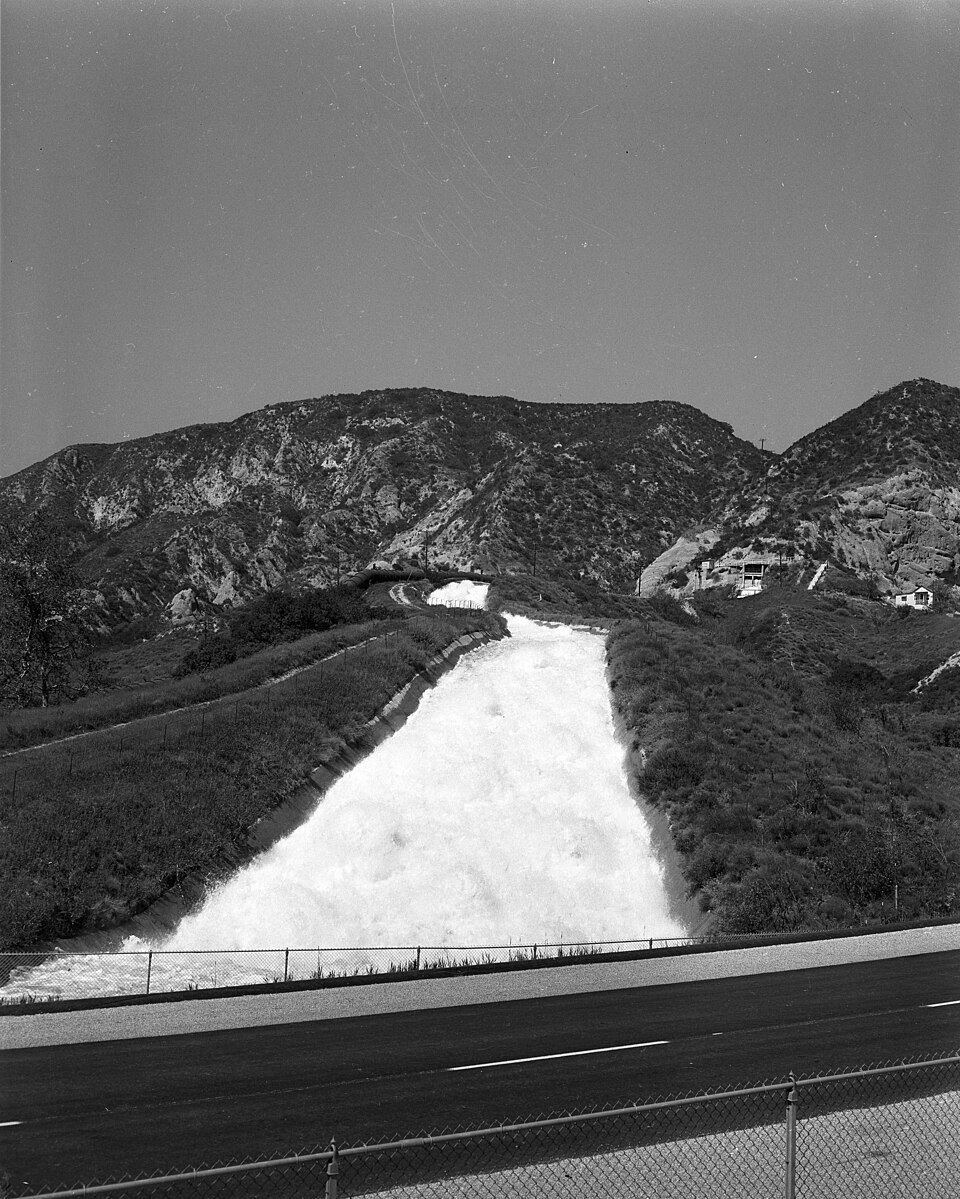
Built a roughly 233-mile aqueduct moving Owens Valley water to Los Angeles and enabling the city’s twentieth-century growth.
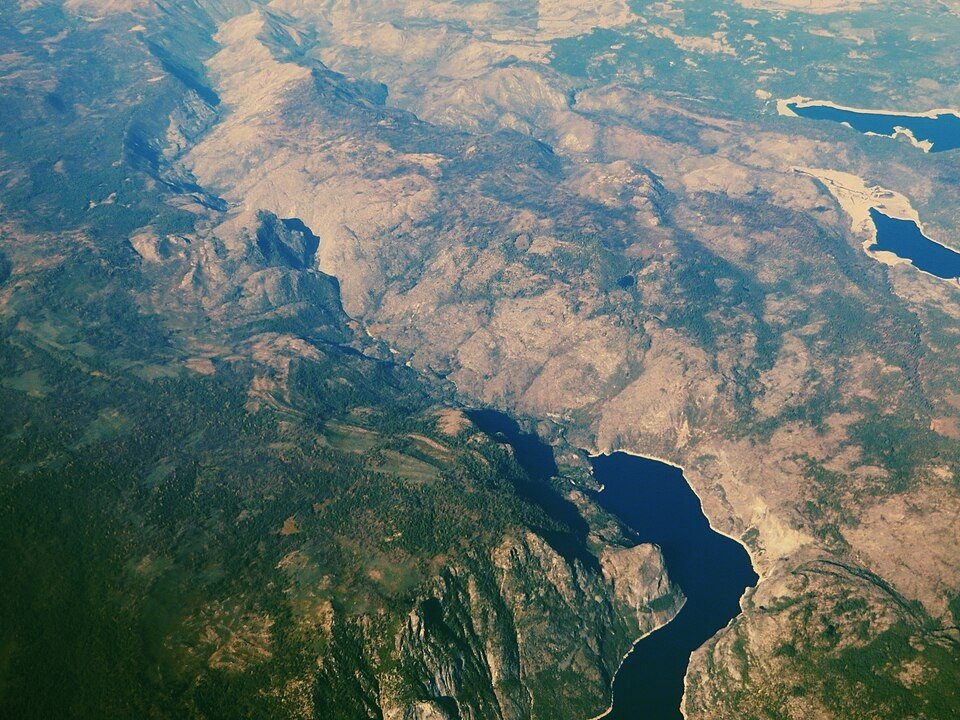
Built a Sierra Nevada reservoir, tunnels, aqueducts, and power system supplying San Francisco Bay Area water and electricity.
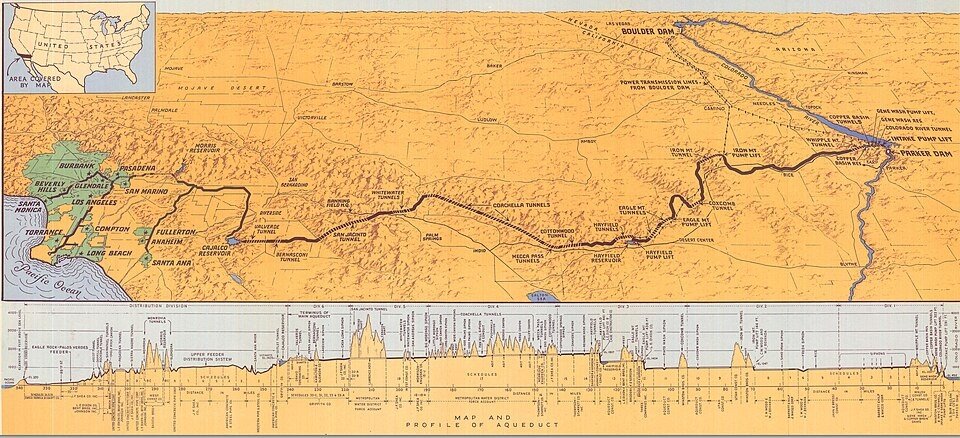
Built a roughly 242-mile aqueduct moving Colorado River water to Southern California cities and industry.
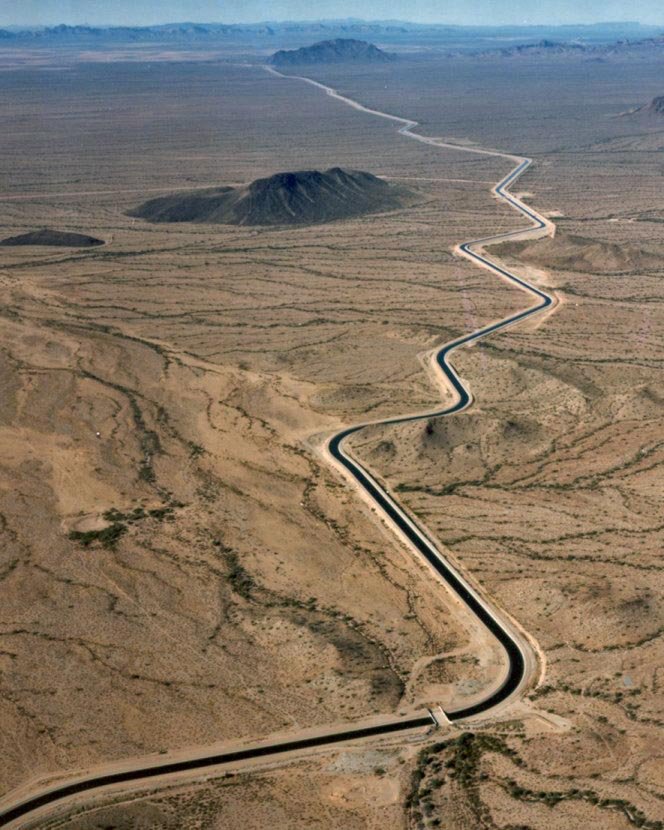
Built a 336-mile canal and pumping system moving Colorado River water to Phoenix, Tucson, and central Arizona farms and cities.
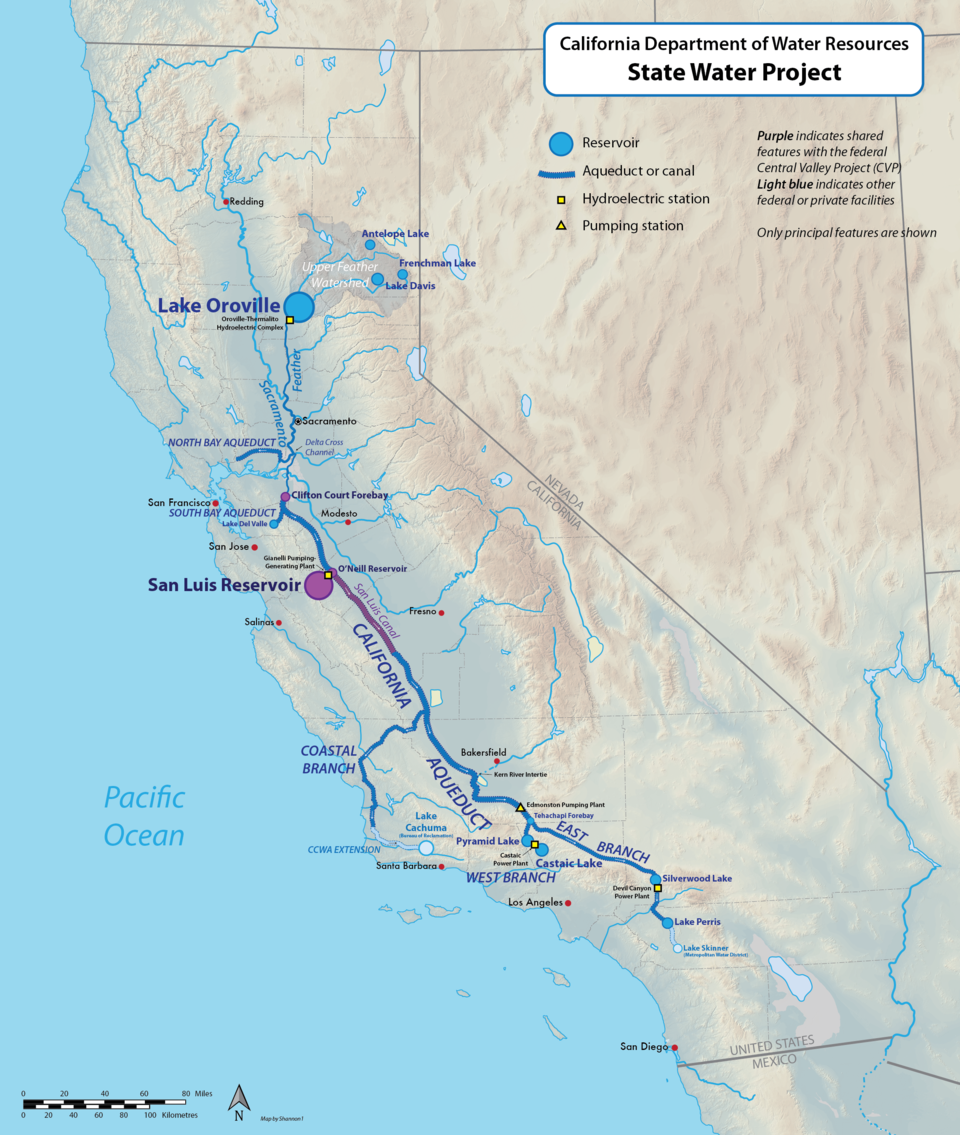
Built dams, reservoirs, pumping plants, canals, and aqueducts moving Northern California water to farms and cities statewide.
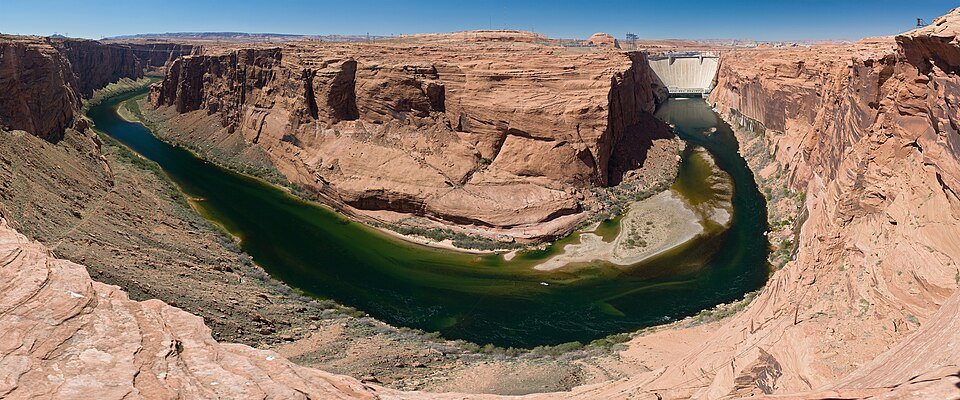
Built a 710-foot Colorado River dam and Lake Powell storage for hydropower, river regulation, and water management.
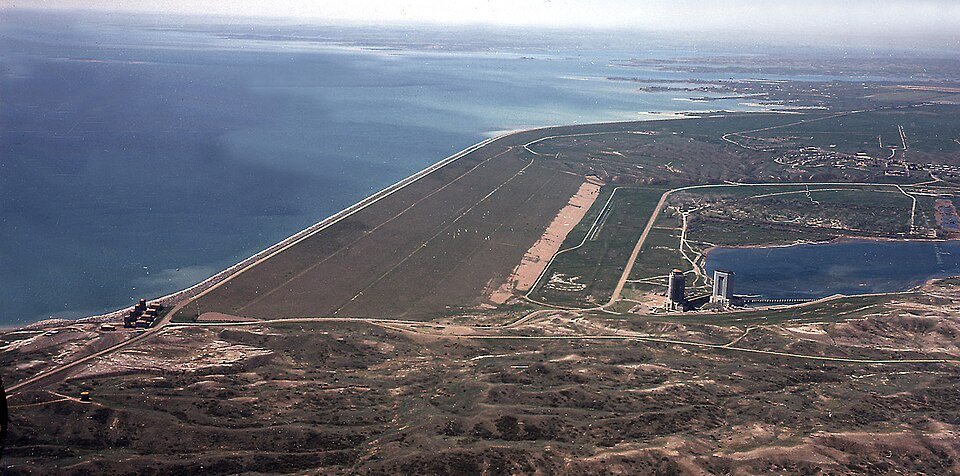
Built a massive Missouri River earthfill dam and reservoir for flood control, navigation support, power, and Depression-era employment.
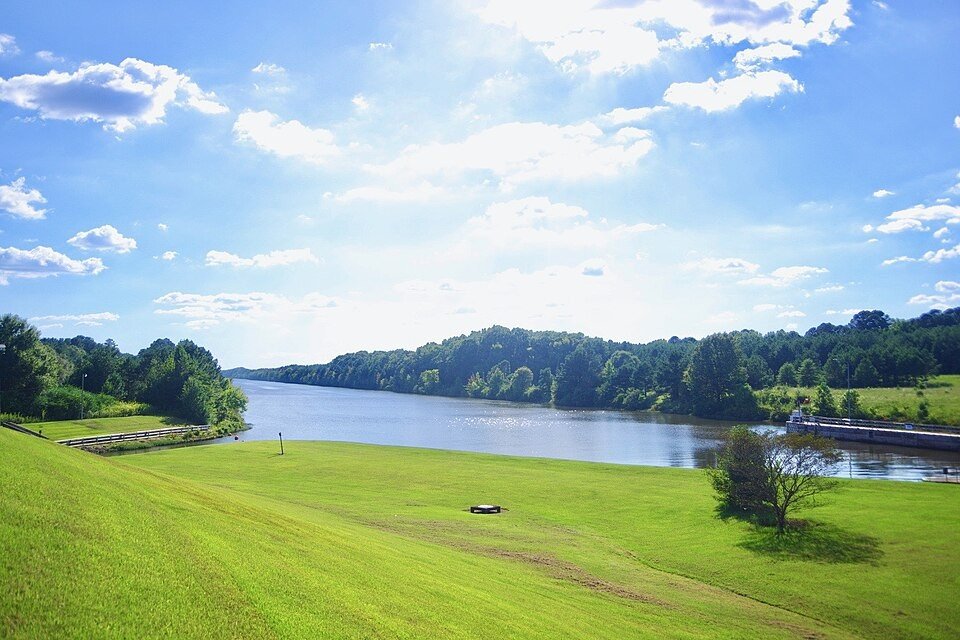
Built a 234-mile inland waterway linking the Tennessee River to the Gulf of Mexico via locks, dams, canals, and channels.
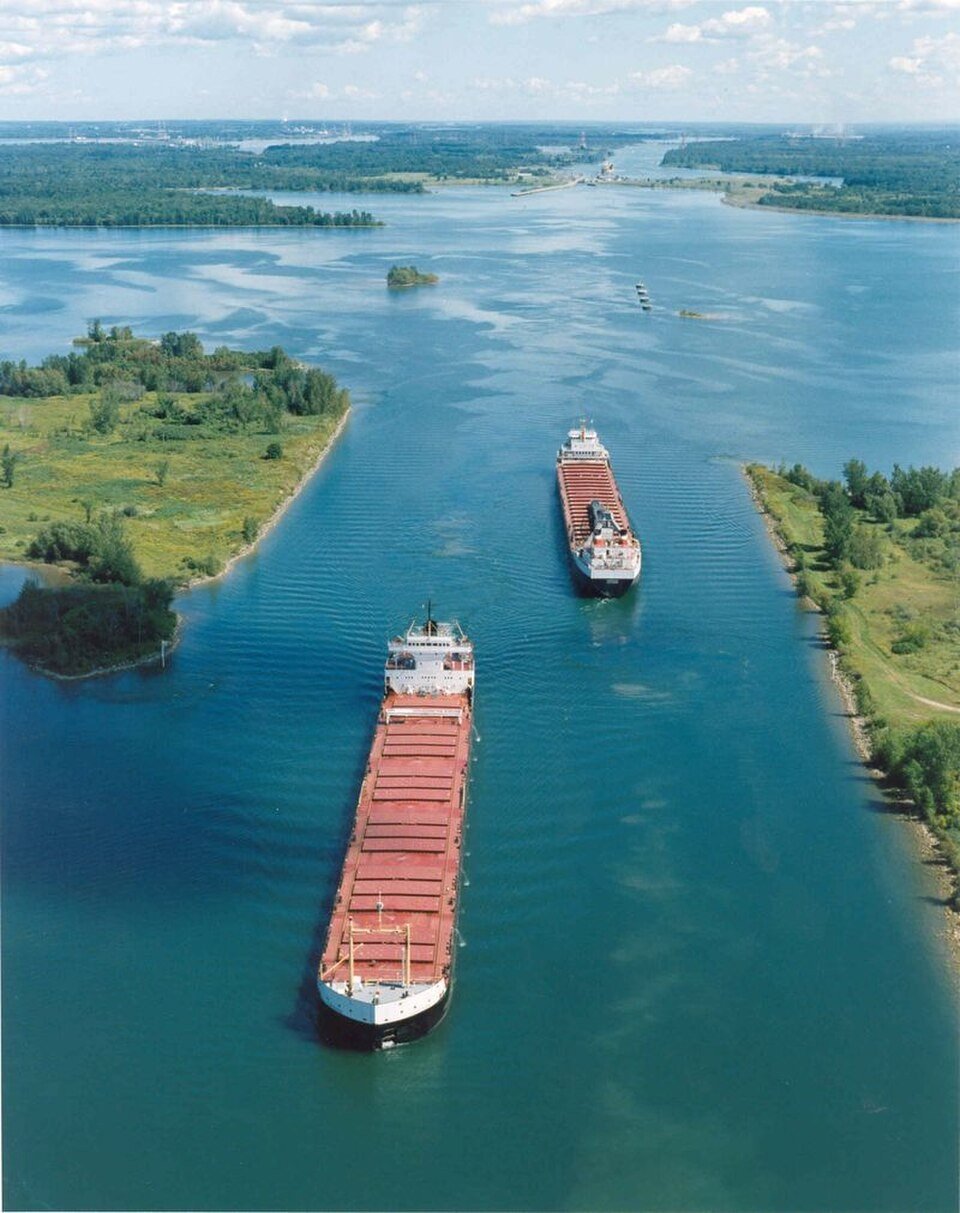
Built locks, canals, channels, and related power works opening Great Lakes ports to ocean-going ships.
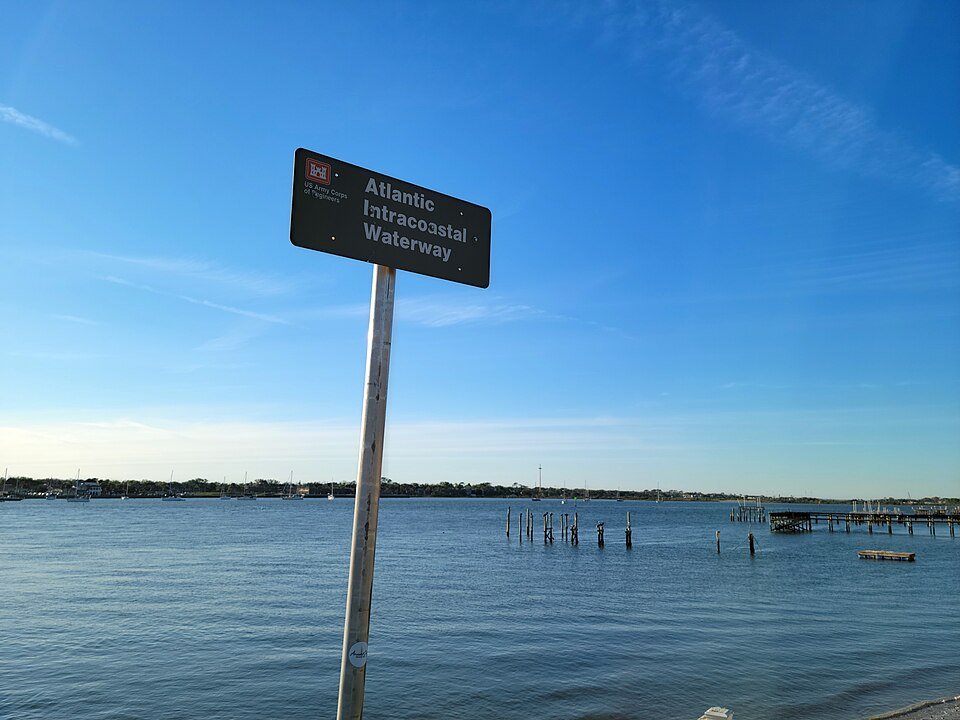
Built and connected protected inland channels along the Atlantic and Gulf coasts for barge, military, and commercial navigation.
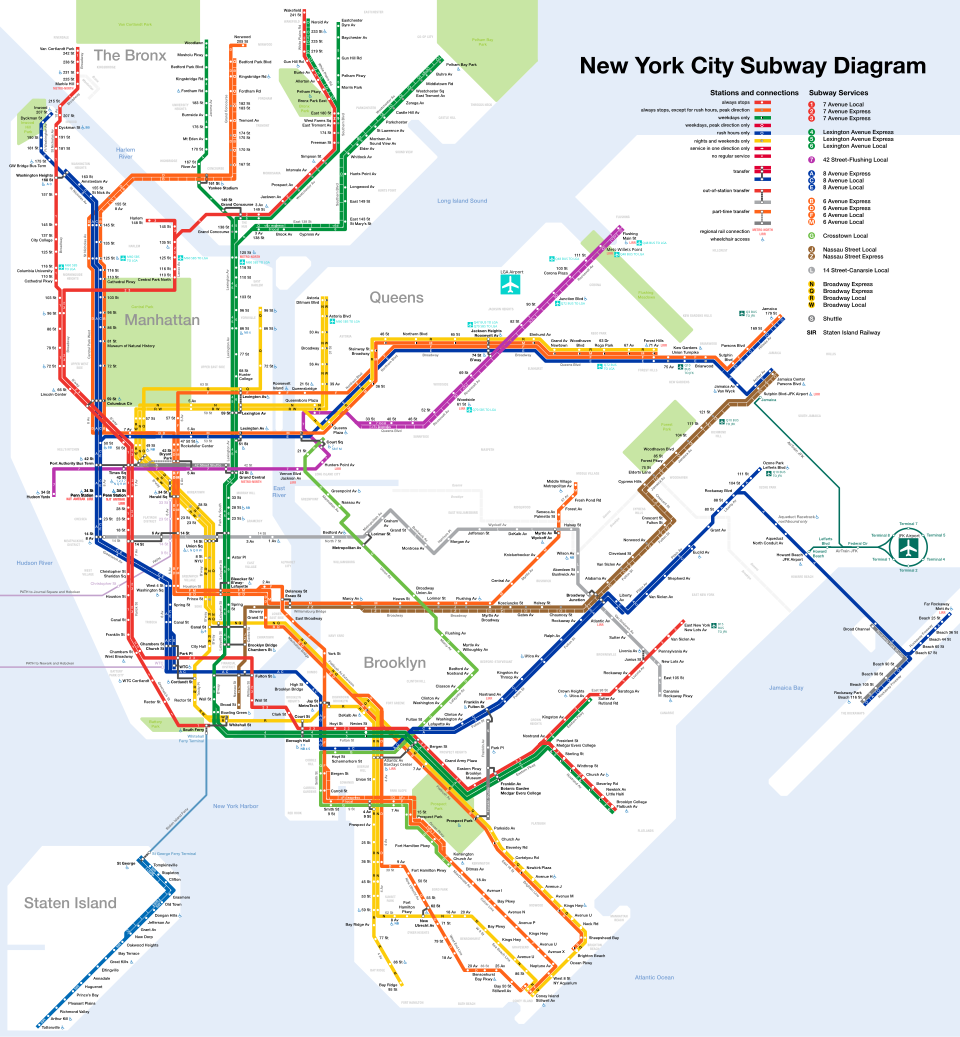
Built a citywide rapid-transit system that moved millions daily and enabled dense urban growth across the boroughs.
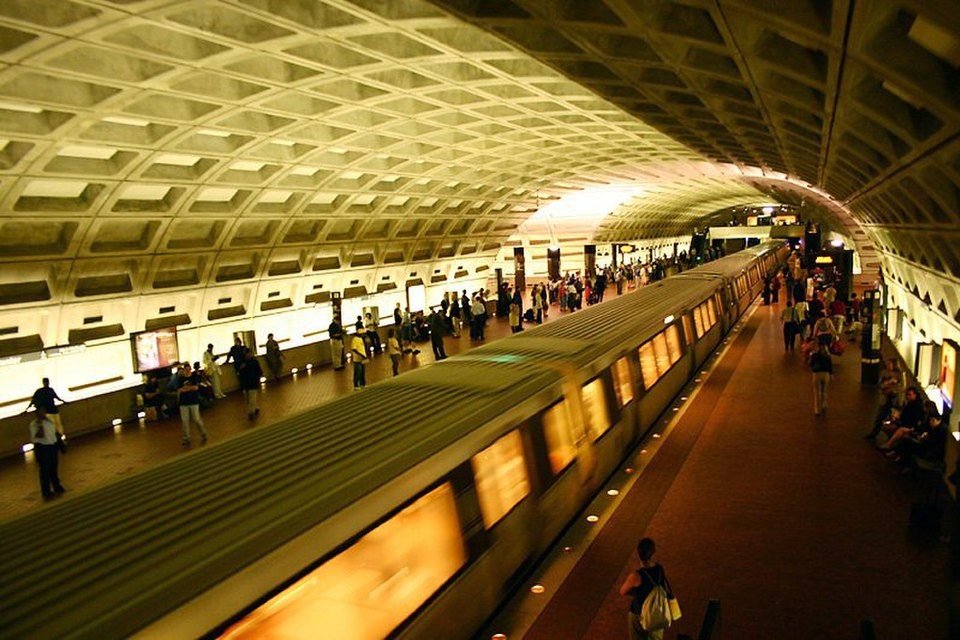
Built a regional heavy-rail transit system connecting Washington, DC, Maryland, and Virginia through subway, surface, and elevated segments.
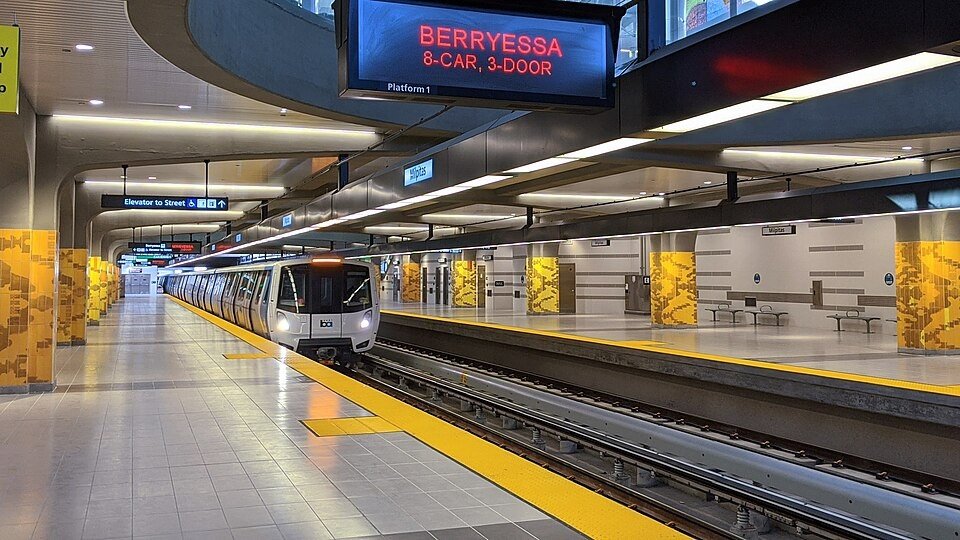
Built a regional rail network linking San Francisco, Oakland, Berkeley, and the East Bay through transbay tunnel and rapid-transit infrastructure.
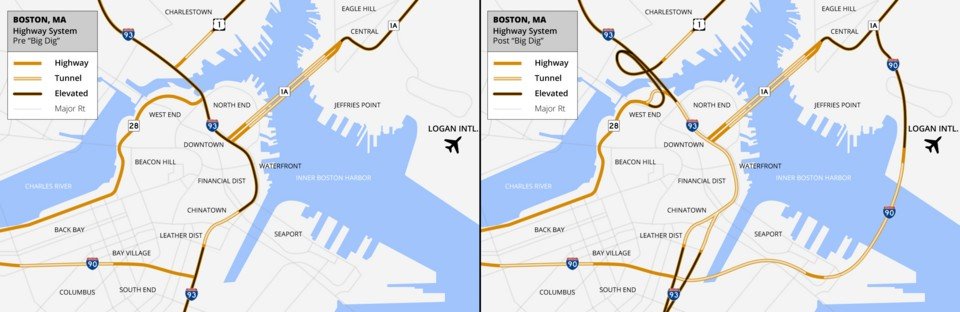
Buried elevated interstate lanes, built tunnels and bridges, and reconnected downtown Boston with its waterfront.
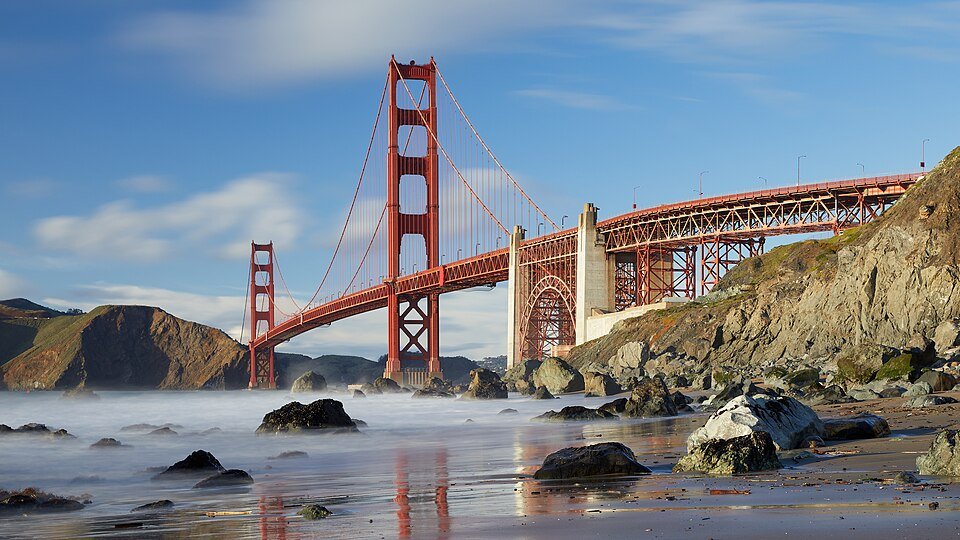
Built a 1.7-mile suspension bridge across the Golden Gate, linking San Francisco and Marin County.
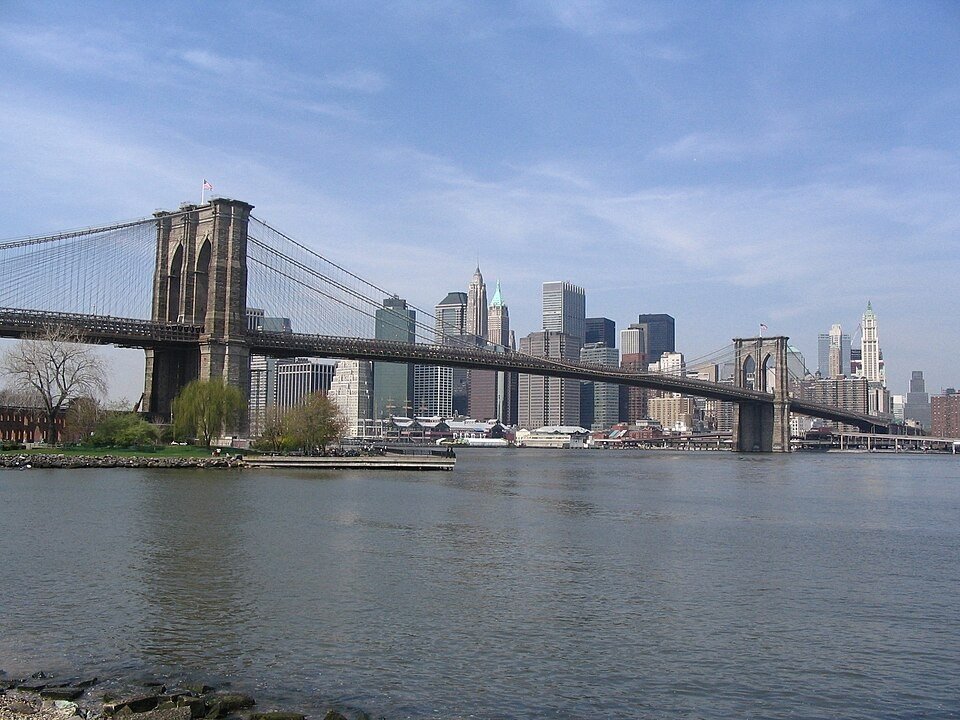
Built the first major steel-wire suspension bridge, linking Manhattan and Brooklyn and proving a new urban infrastructure model.
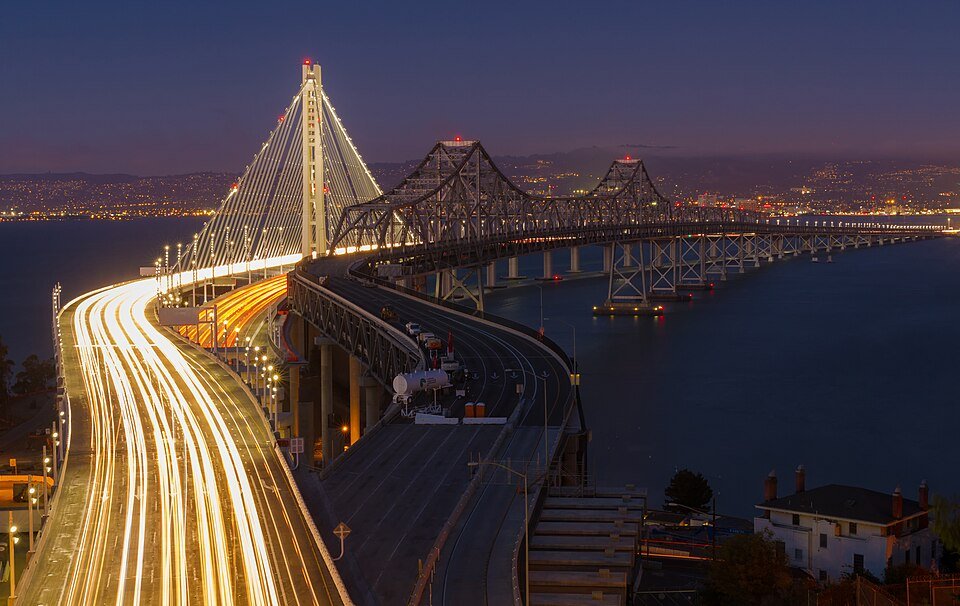
Built a multi-span bridge complex linking San Francisco and the East Bay across San Francisco Bay.
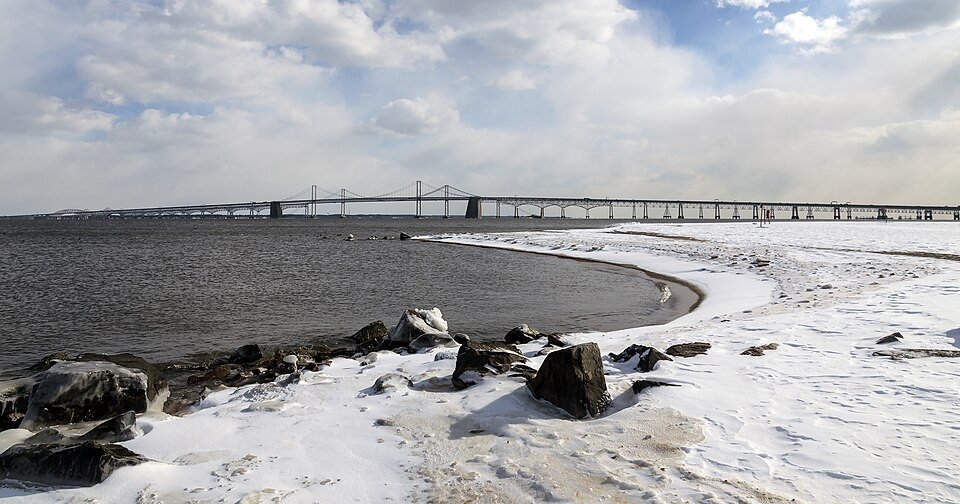
Built a 17.6-mile bridge-tunnel crossing that connected Virginia’s Eastern Shore to Hampton Roads.
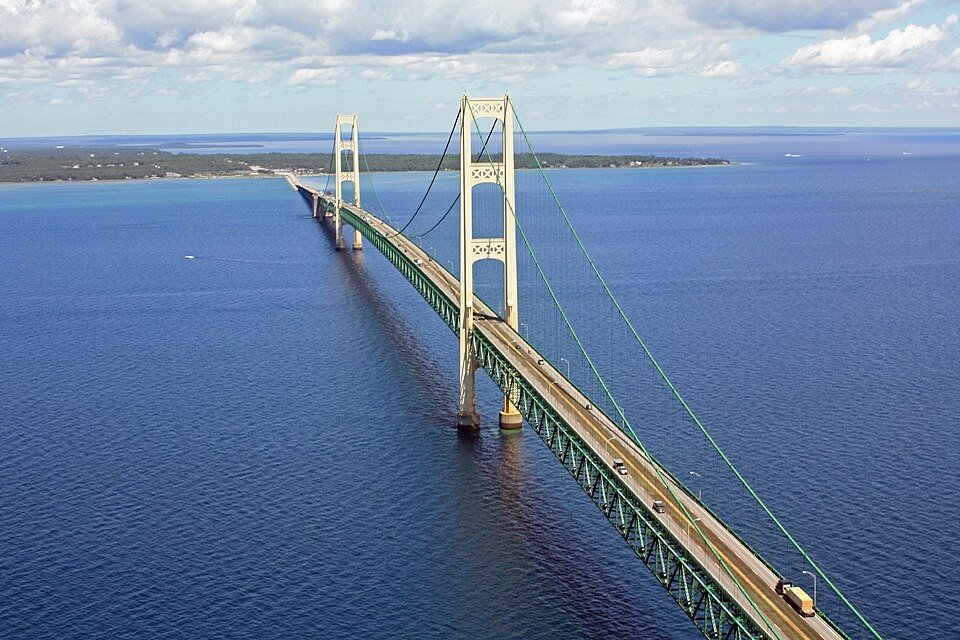
Built a five-mile suspension bridge joining Michigan’s Upper and Lower Peninsulas.

Built a wartime road of roughly 1,500 miles linking Alaska to the continental road network through Canada.
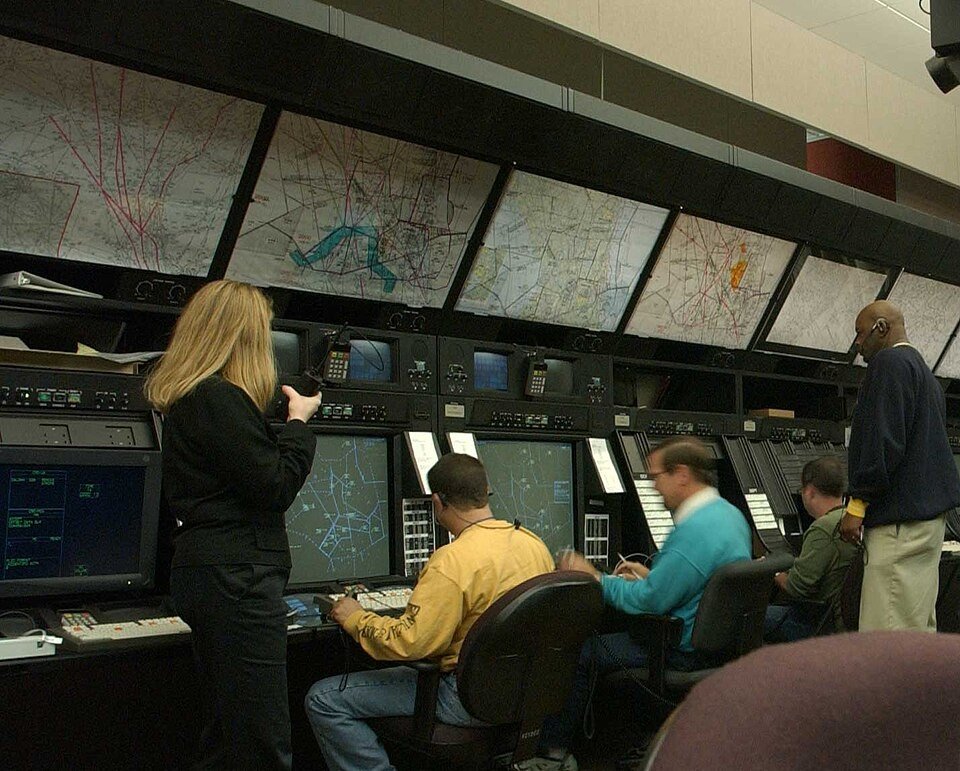
Built the air-traffic-control, radar, navigation, procedures, and communications system that manages U.S. commercial aviation.
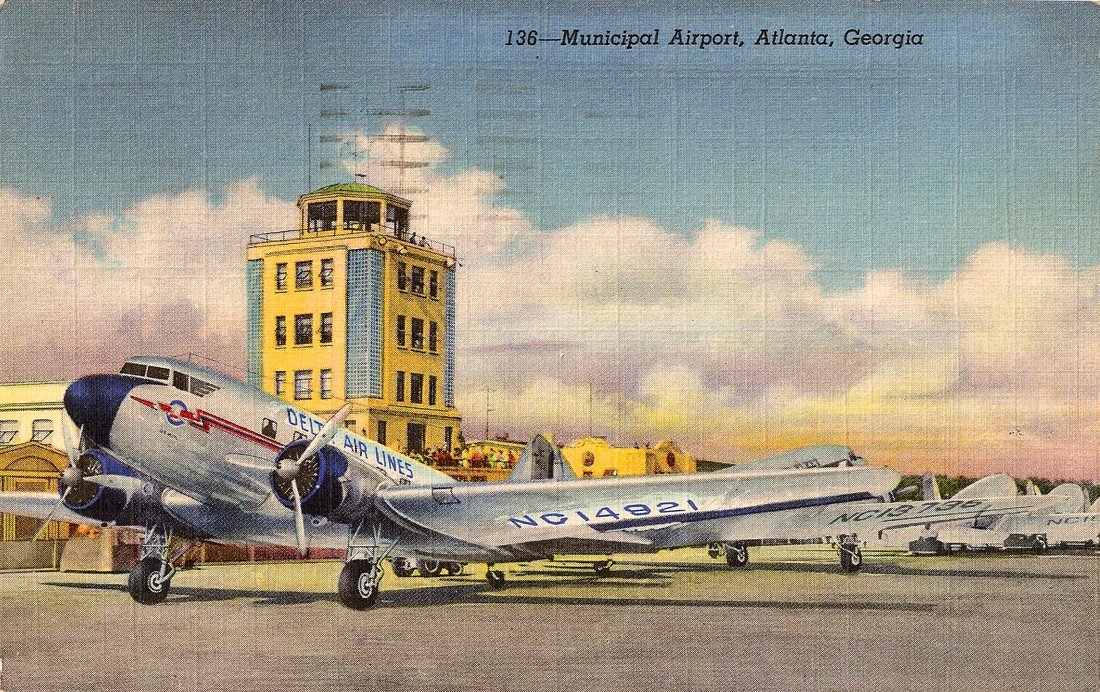
Created federal grants for public airports and helped scale the national airport system for commercial aviation.
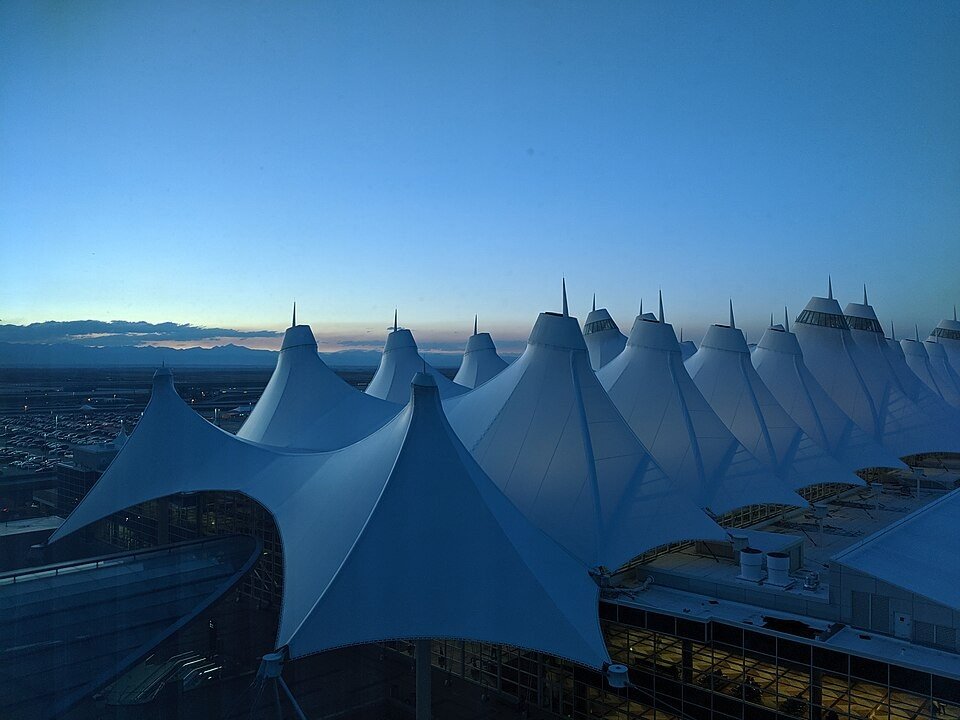
Built a major hub airport with long runways, terminal infrastructure, and room for national air-system expansion.
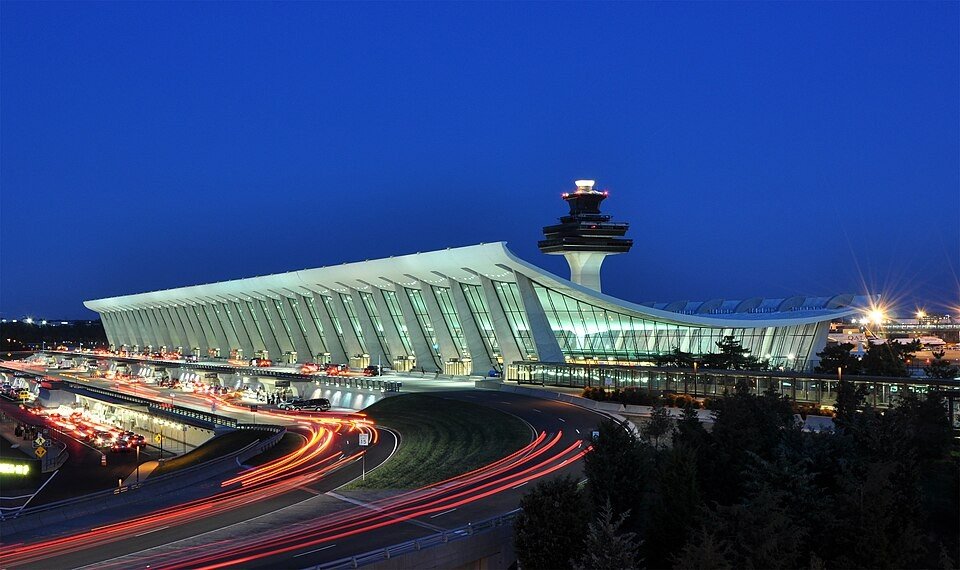
Built a planned jet-age airport for Washington, DC with long runways, modern terminals, and regional growth capacity.
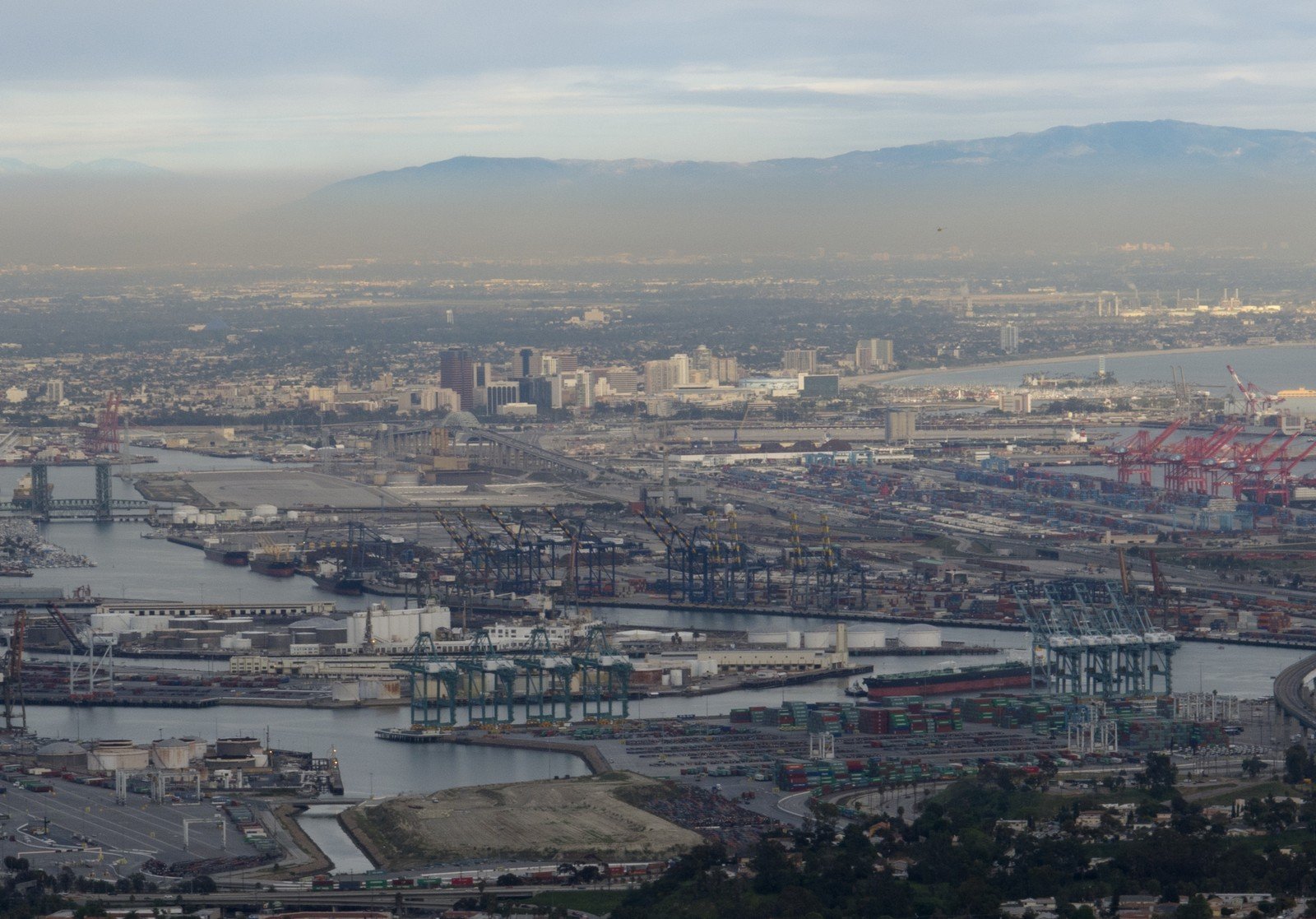
Built terminals, channels, rail/truck connections, and container infrastructure for one of the nation’s largest trade gateways.
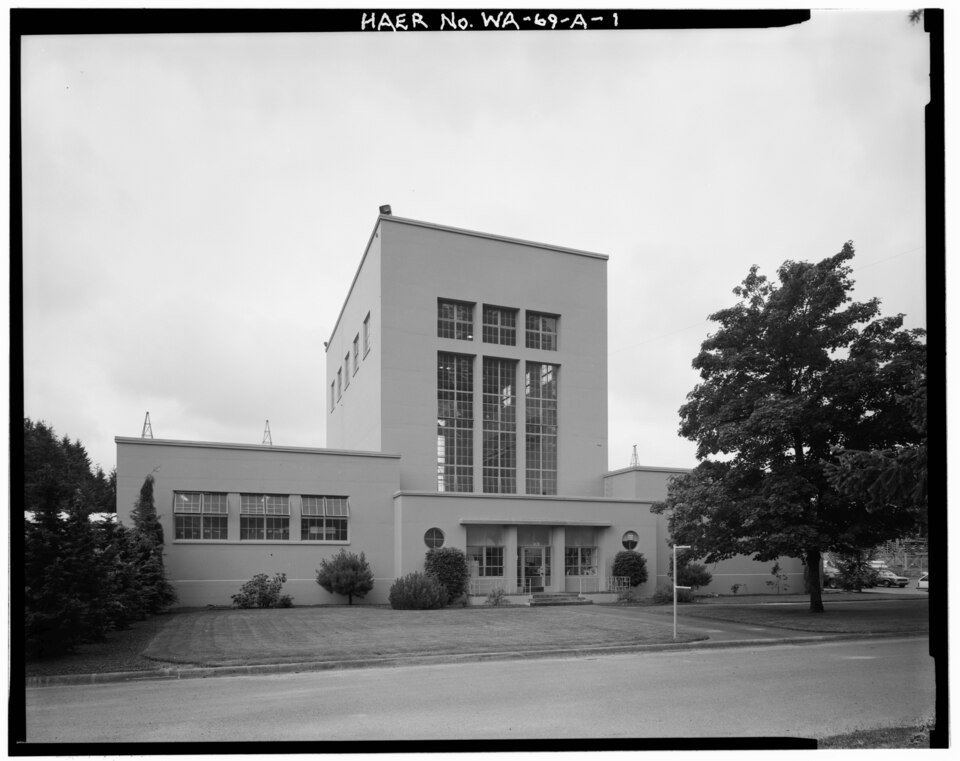
Built a federal high-voltage transmission grid moving Columbia River hydropower across the Pacific Northwest.
Built a national pipeline network moving natural gas from producing regions to cities, factories, power plants, and homes.
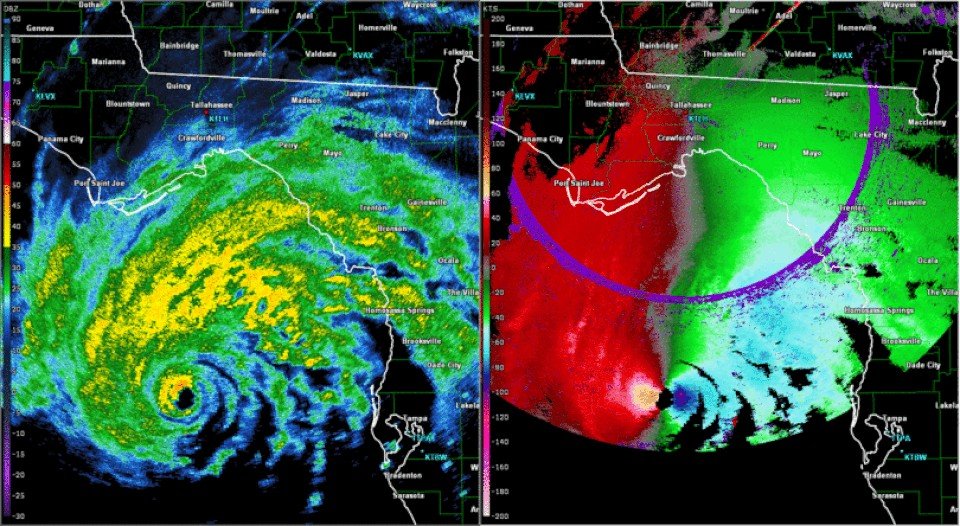
Built the NEXRAD Doppler radar network and modernized weather observation, warning, and forecast infrastructure.
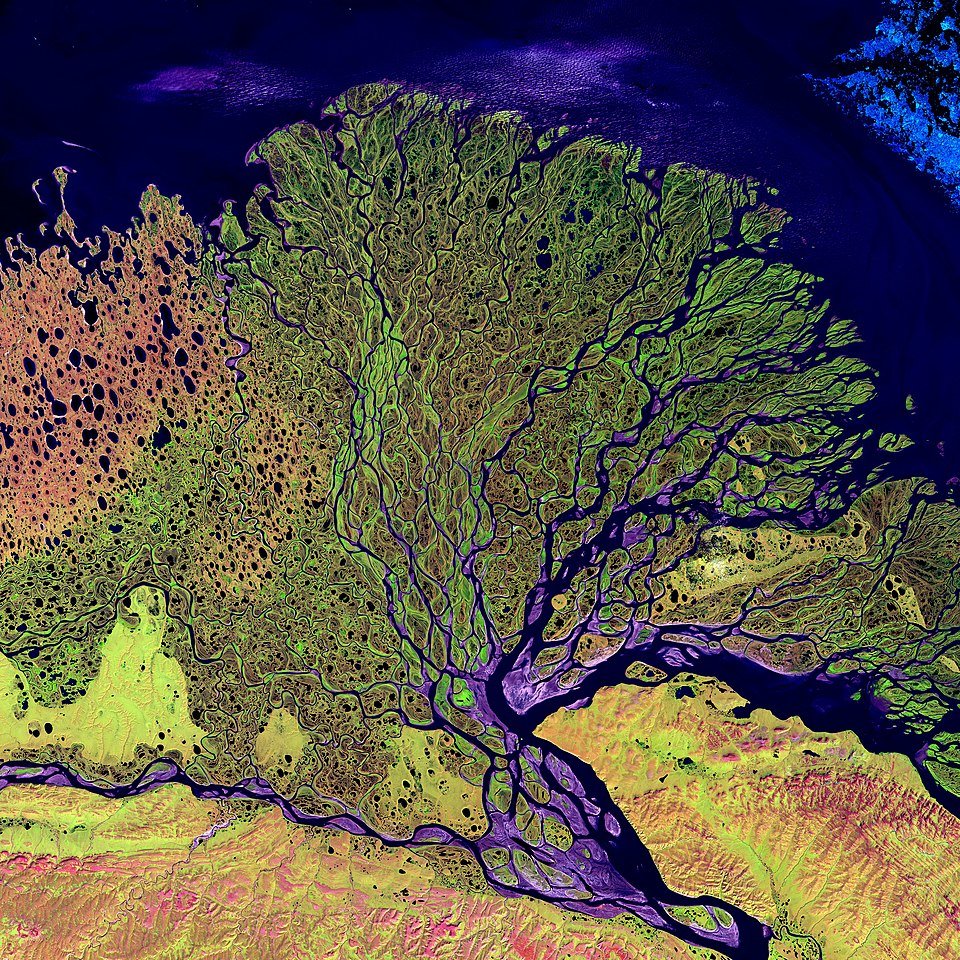
Built a long-running civilian Earth-observation satellite record for agriculture, land use, water, disasters, forests, and science.
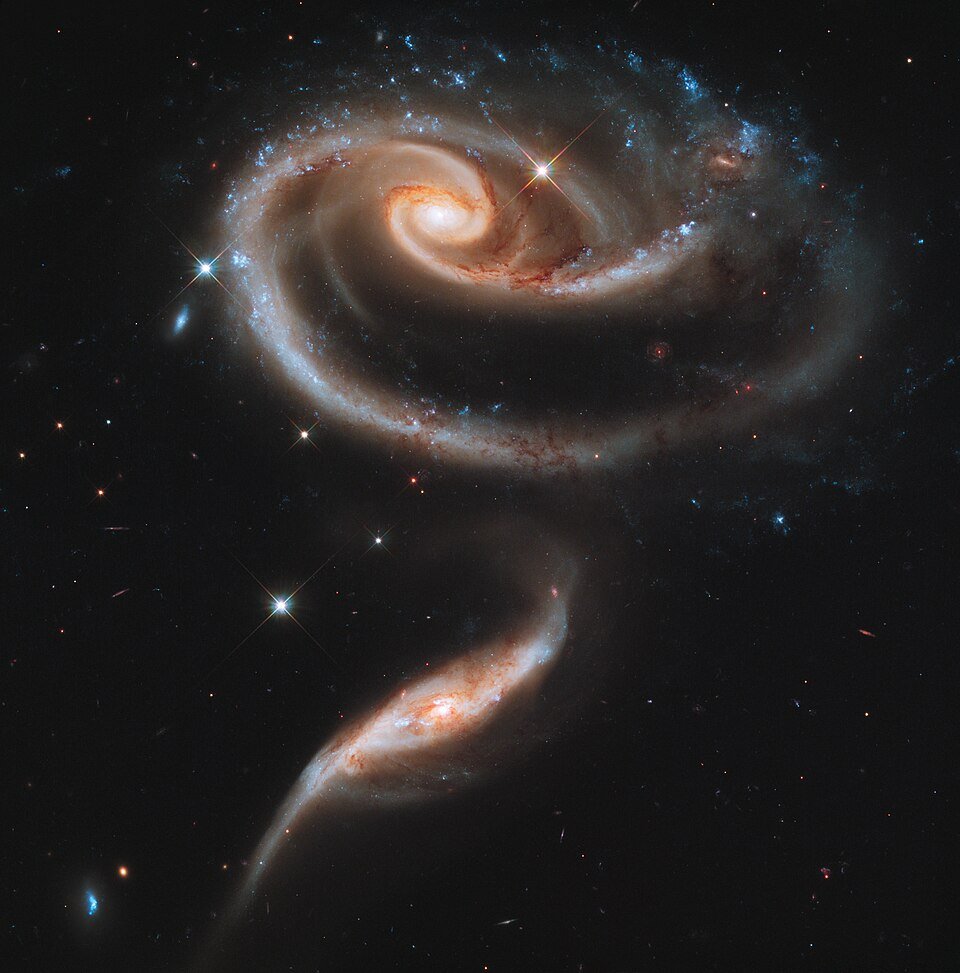
Built and launched a space telescope that transformed astronomy through decades of orbital observations and servicing missions.
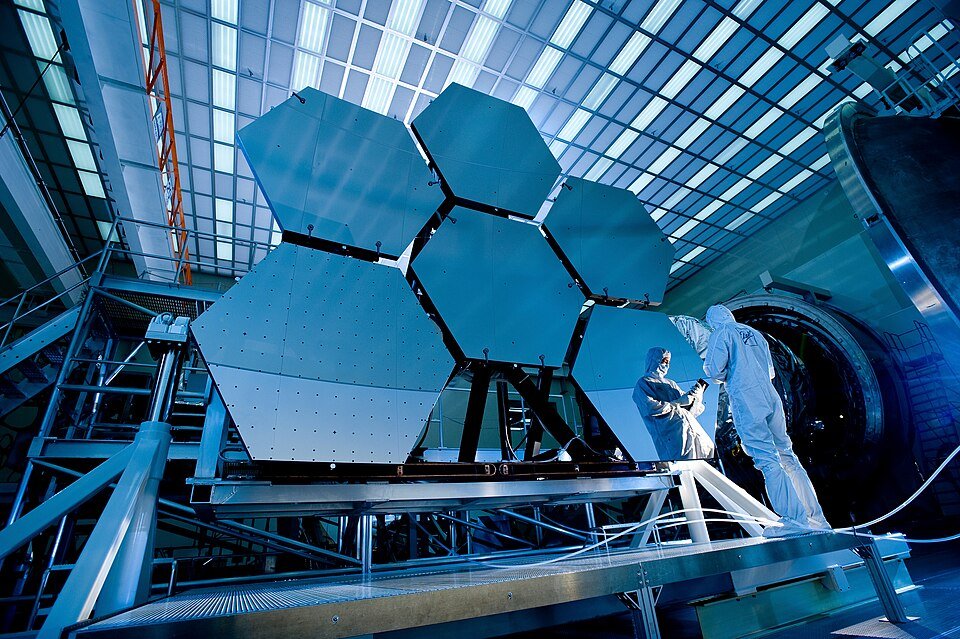
Built a large infrared space telescope with a segmented mirror and sunshield to observe early galaxies, stars, and exoplanets.
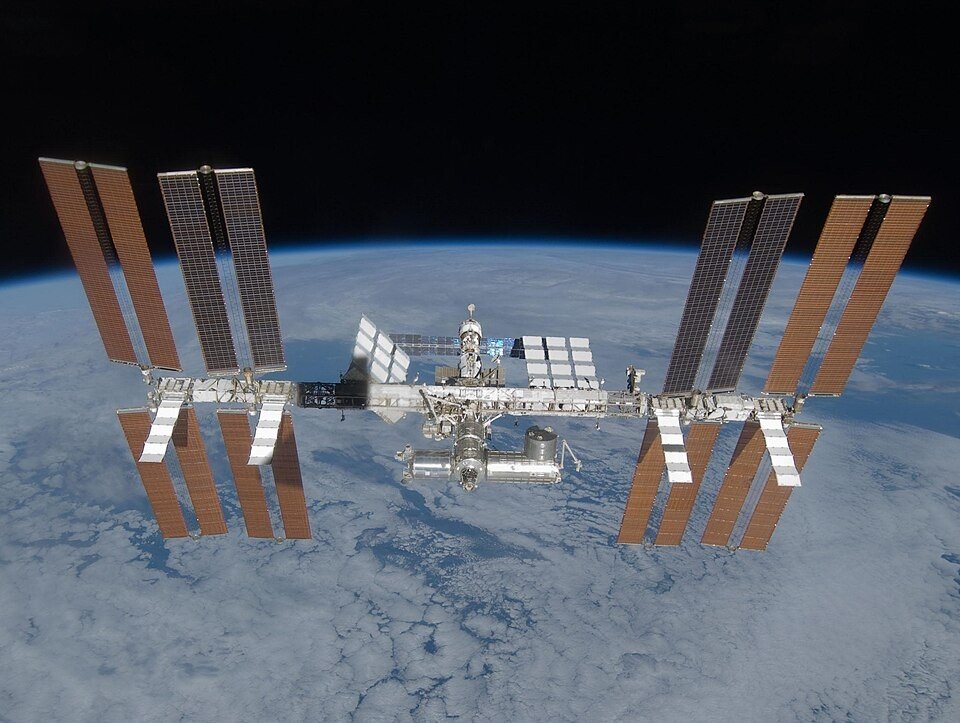
Built U.S. station modules, laboratories, truss segments, solar arrays, and operations systems for a permanently crewed orbital lab.
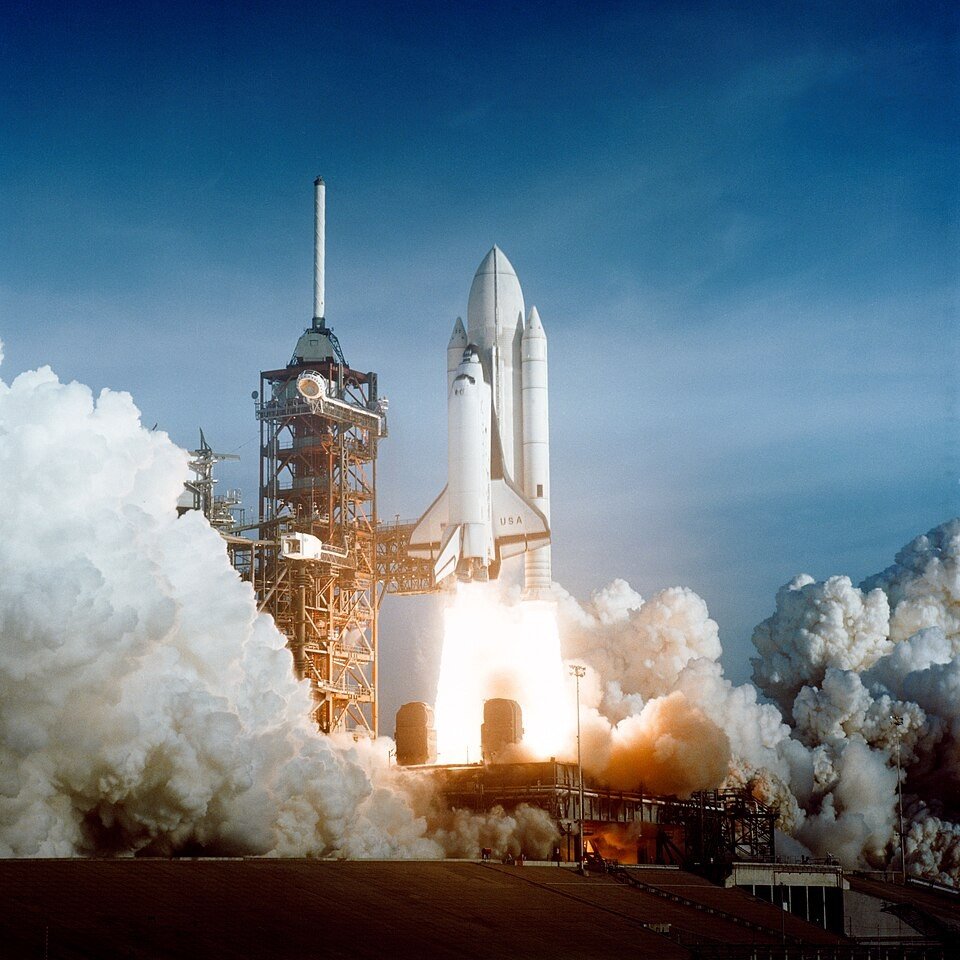
Built reusable orbiters, solid rocket boosters, external tanks, launch infrastructure, and servicing capacity for 135 missions.
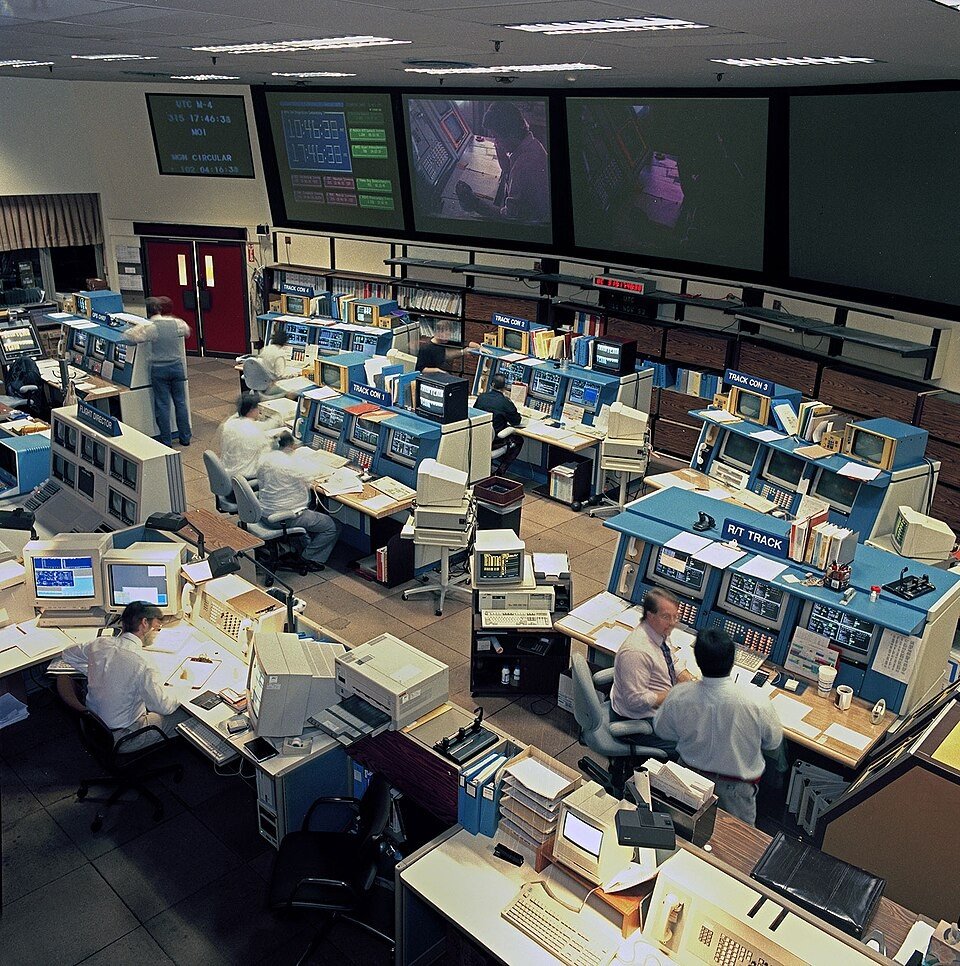
Built large radio-antenna complexes in California, Spain, and Australia to communicate with planetary spacecraft.
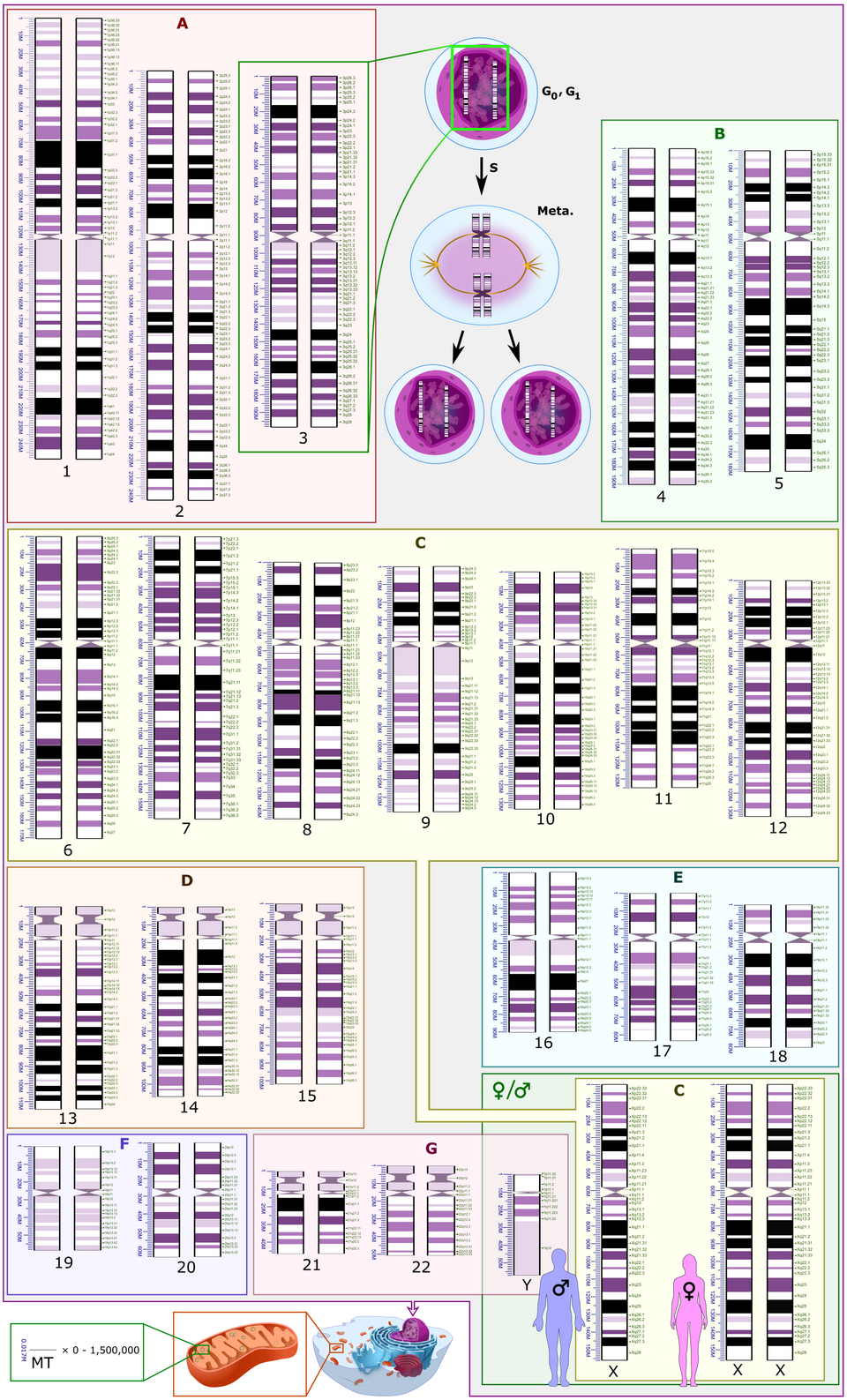
Built a public genome-sequencing effort that mapped the human genome and seeded modern biomedical data infrastructure.
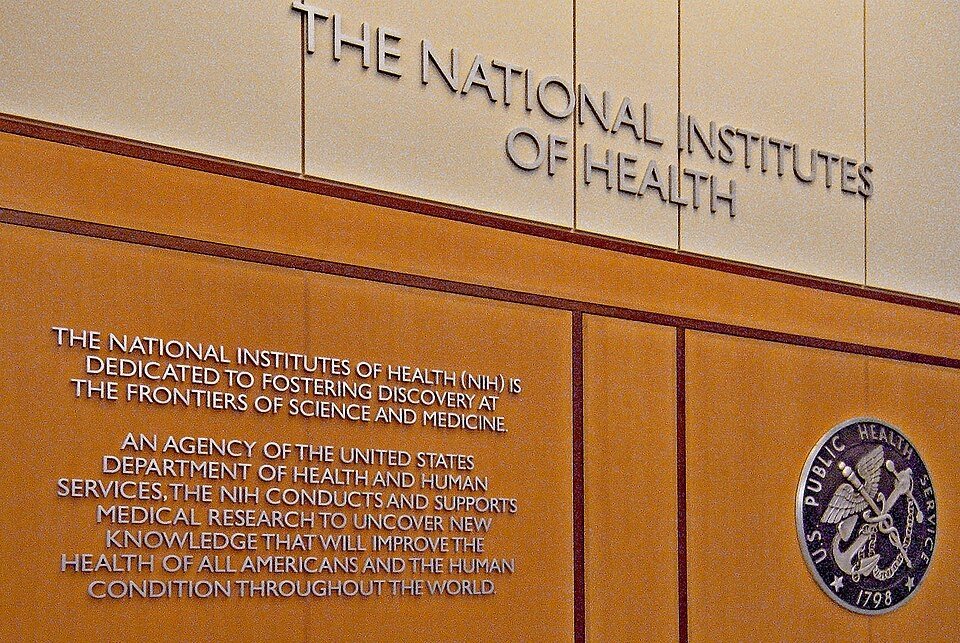
Built the federal clinical research hospital where NIH scientists test therapies and translate biomedical research with patients.
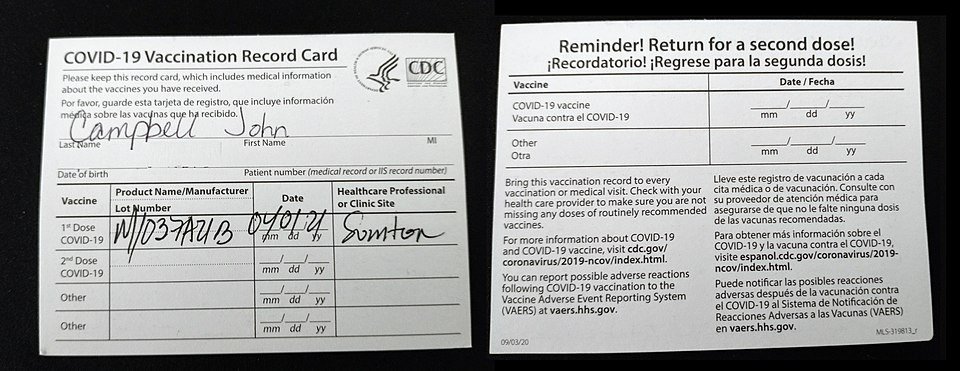
Built the federal disease surveillance, laboratory, outbreak response, and public-health investigation capacity centered in Atlanta.
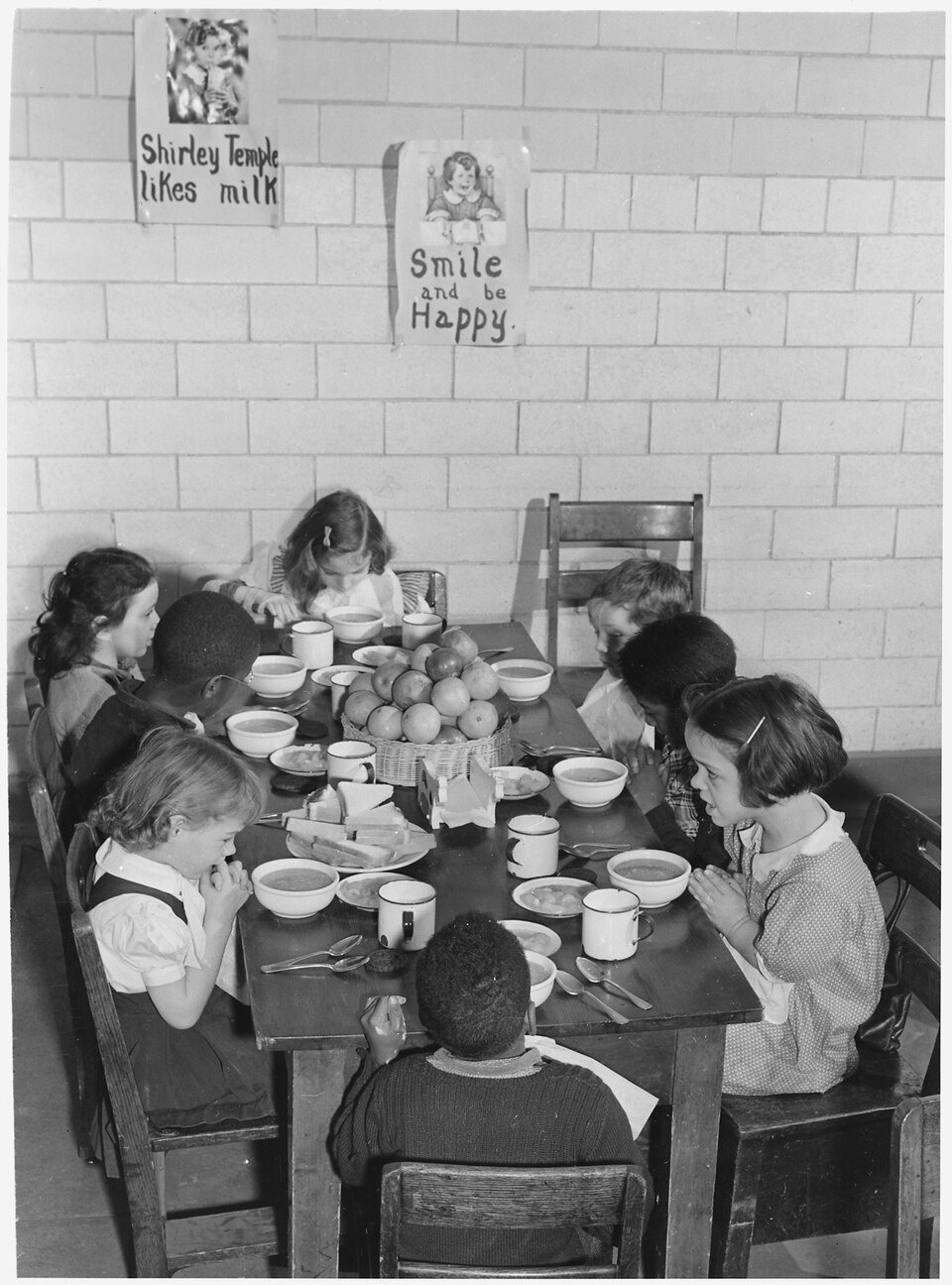
Built a federal-state school-meal financing system that serves subsidized lunches through public and nonprofit schools.
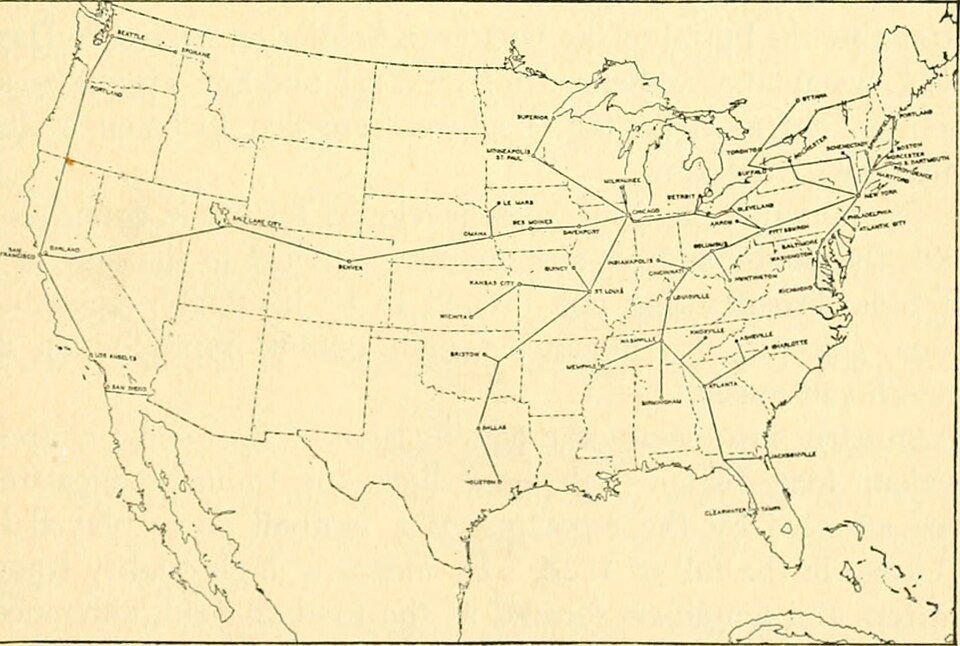
Scaled a regulated national telephone network and universal-service policy that made voice communication a baseline household and business utility.
Built federal drinking-water standards and revolving-fund financing for treatment plants, distribution systems, source protection, and upgrades.
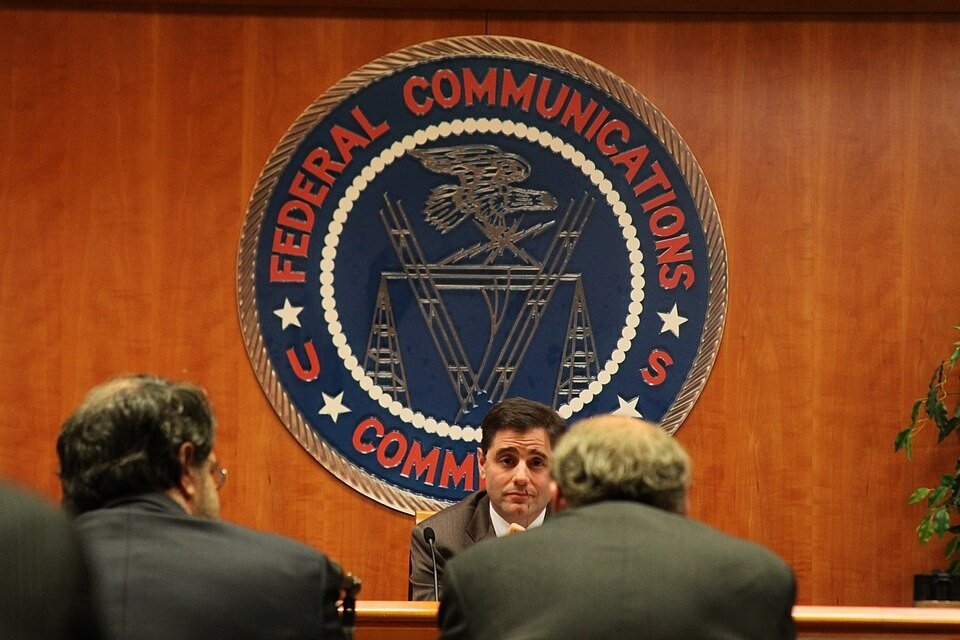
Financed discounted telecommunications, internet access, internal connections, and broadband for schools and libraries.
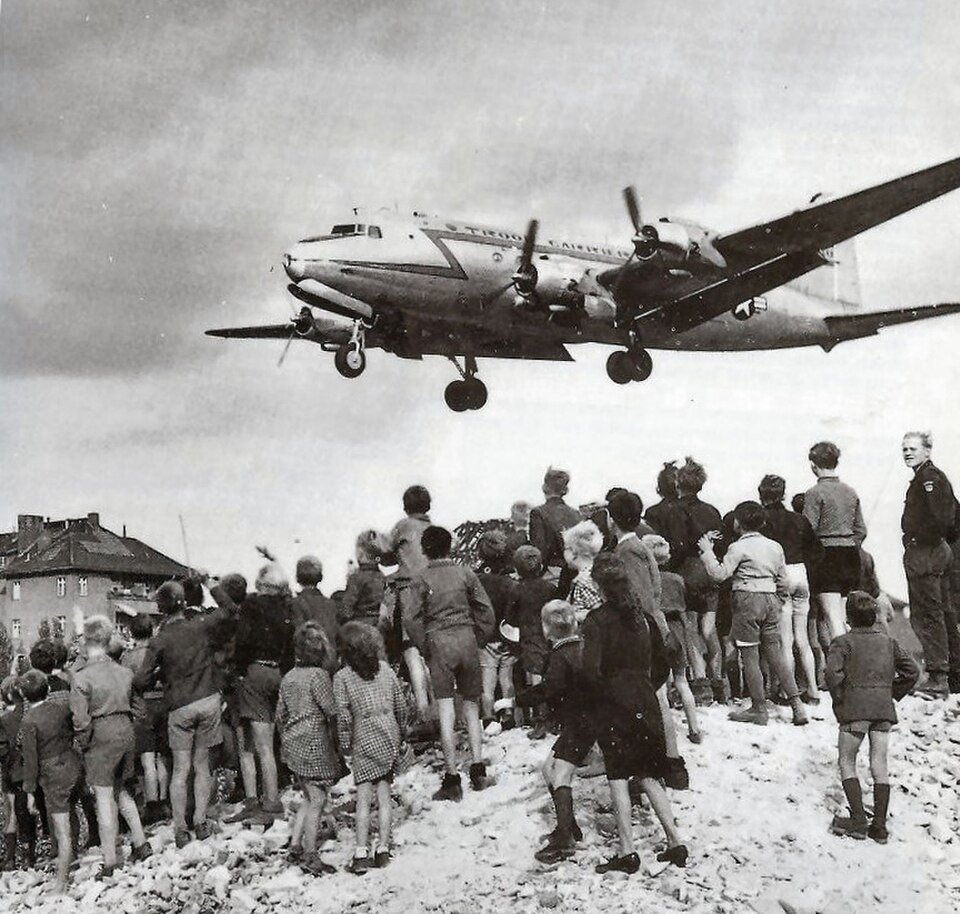
Built and operated an emergency air supply bridge that delivered food, coal, and supplies to West Berlin during the Soviet blockade.
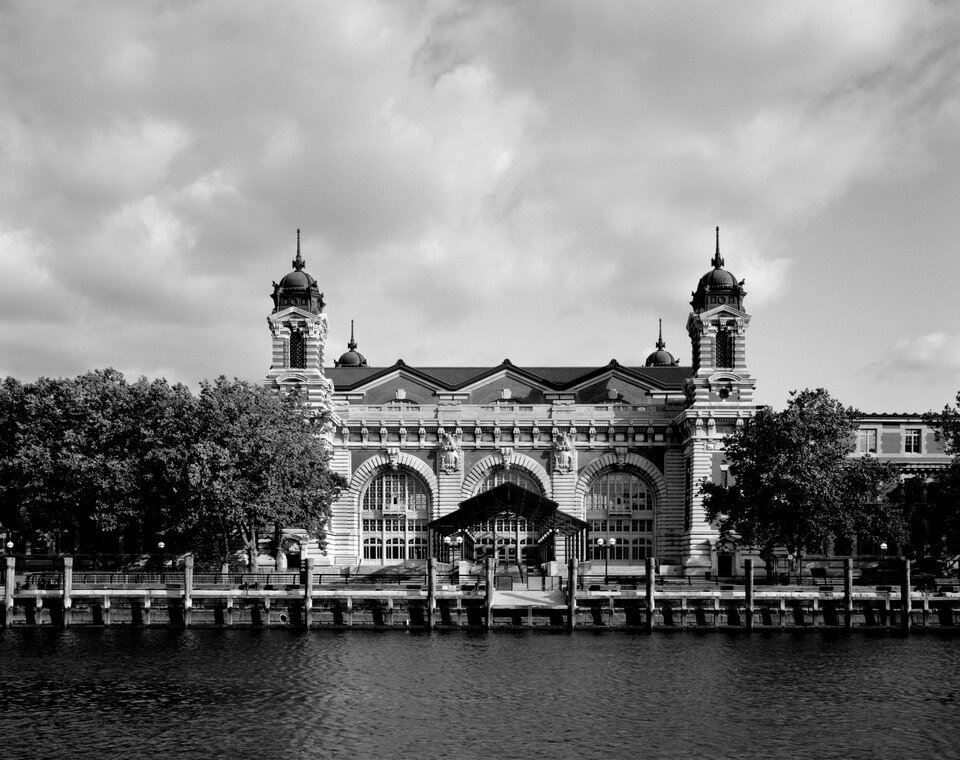
Built the main federal immigration processing station for millions entering through New York Harbor.
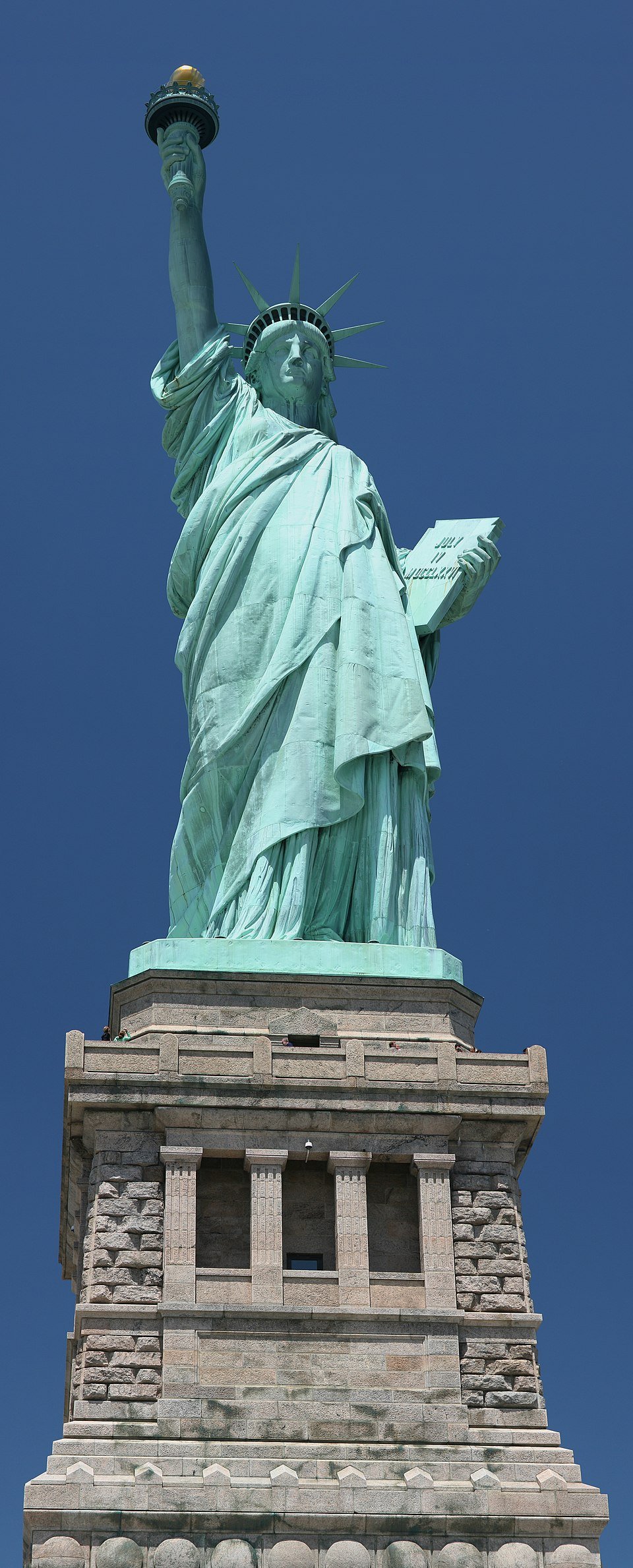
Built the U.S.-funded pedestal and island support works that made the Statue of Liberty a national gateway monument.
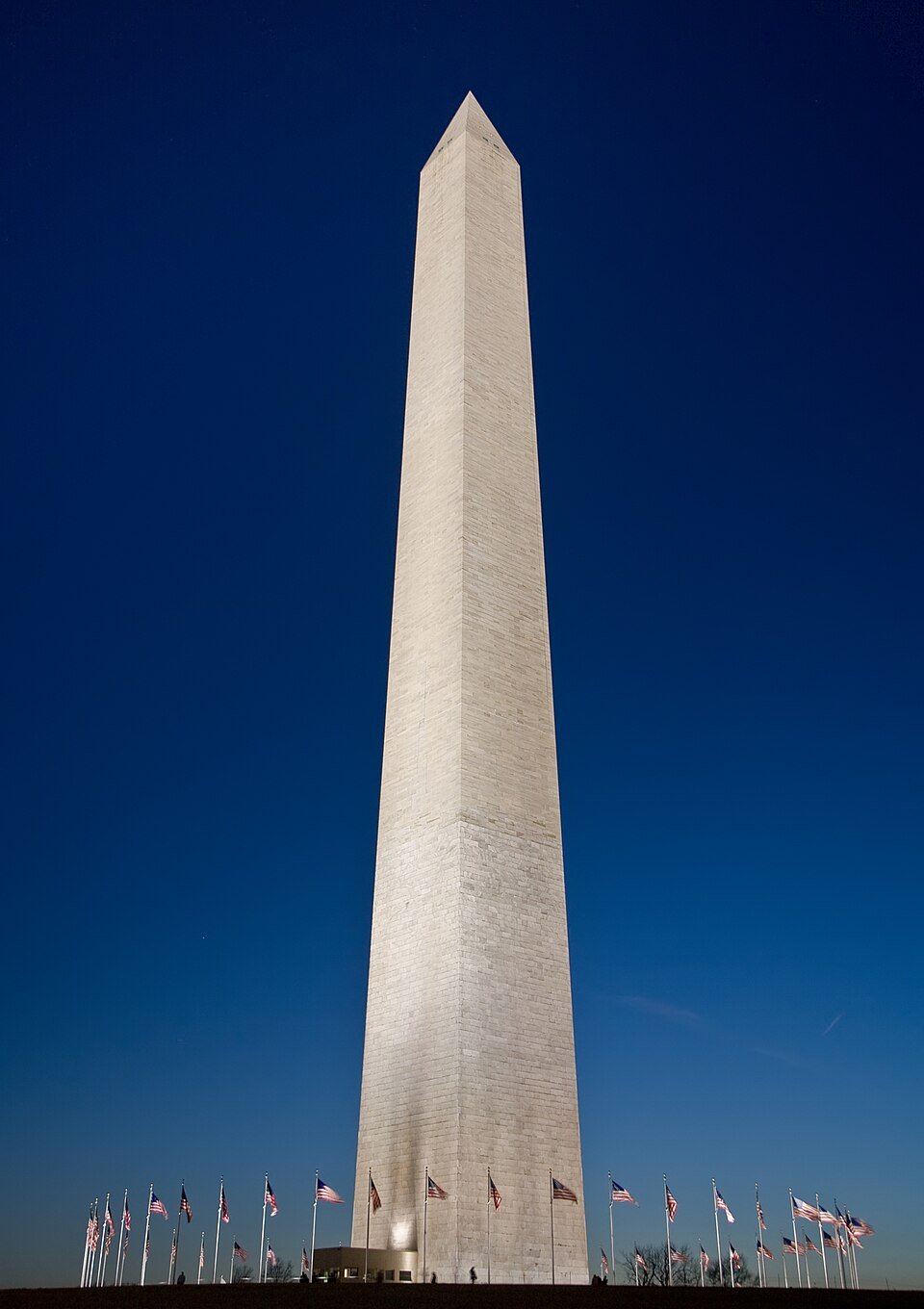
Built a 555-foot stone obelisk memorializing George Washington and defining the federal city’s civic landscape.
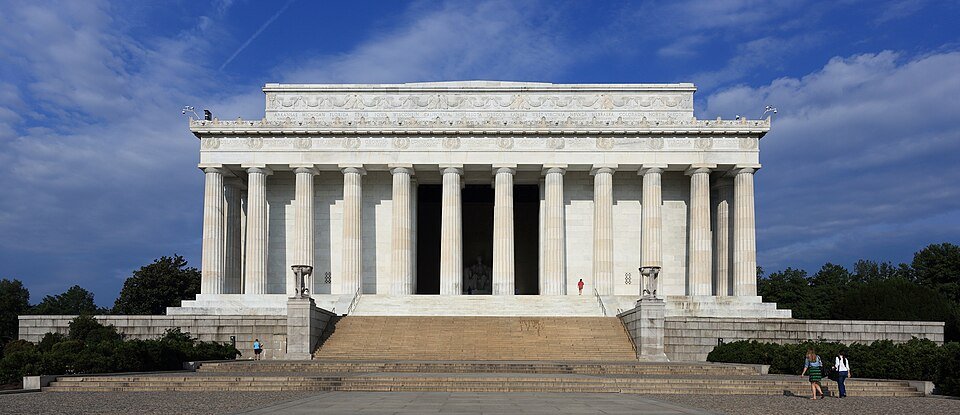
Built a national memorial anchoring the western National Mall and framing the memory of Union, emancipation, and constitutional government.
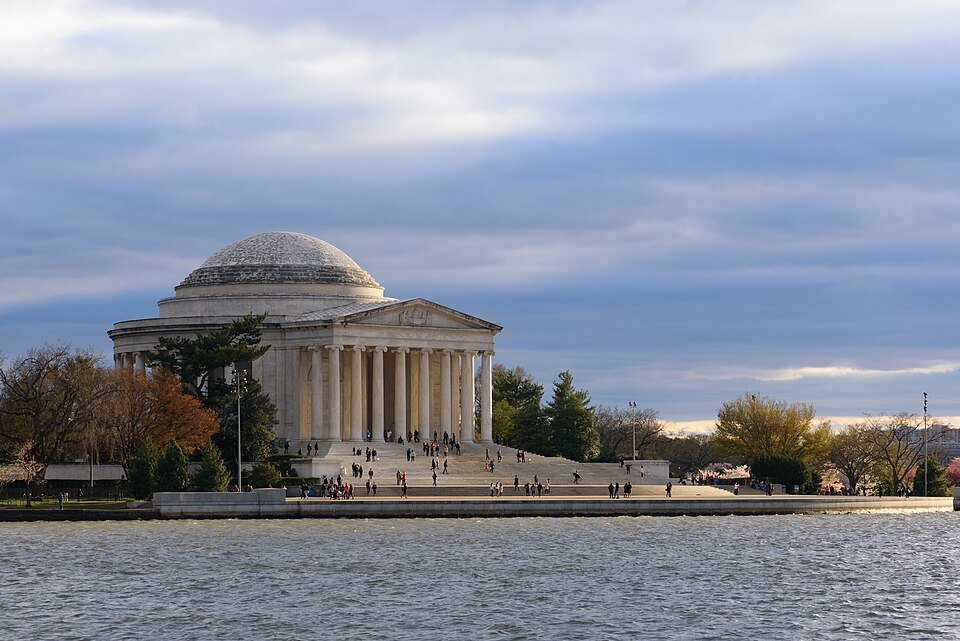
Built a Tidal Basin memorial to Jefferson and the Declaration, shaping Washington’s civic and ceremonial landscape.
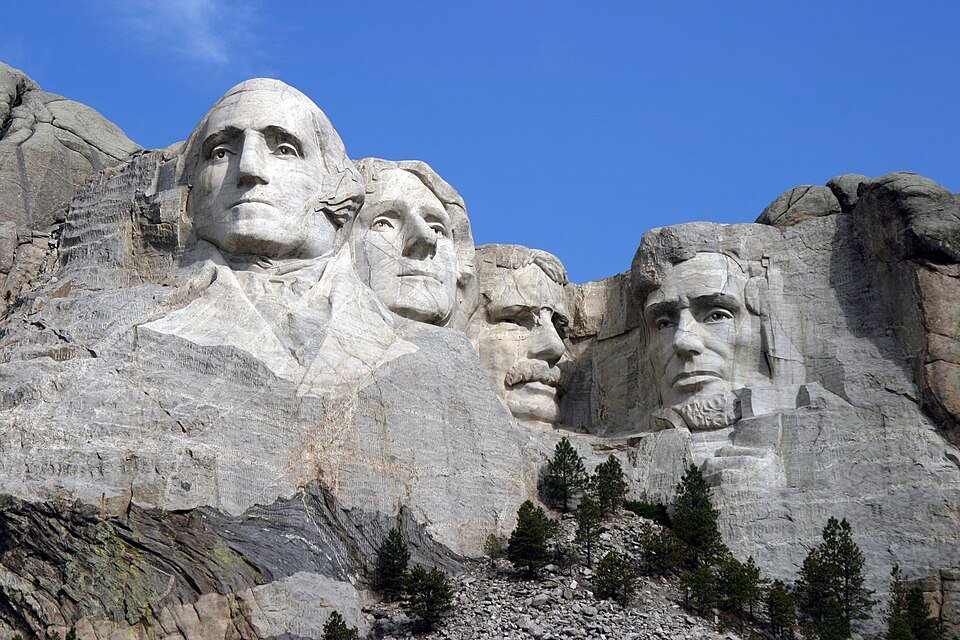
Carved four presidential figures into a Black Hills granite mountain and built a major national memorial landscape.
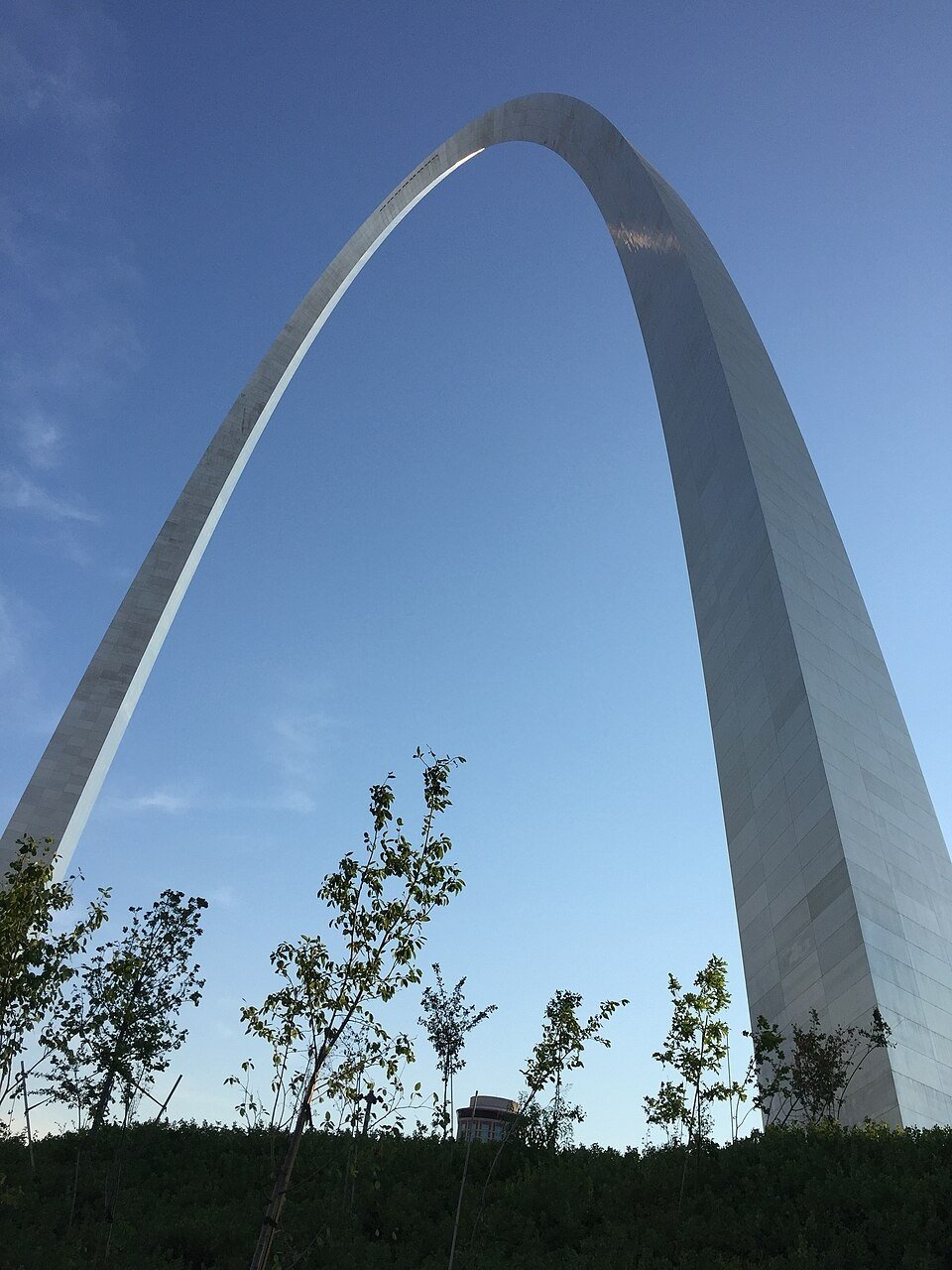
Built a 630-foot stainless-steel arch and memorial landscape marking western expansion on the St. Louis riverfront.
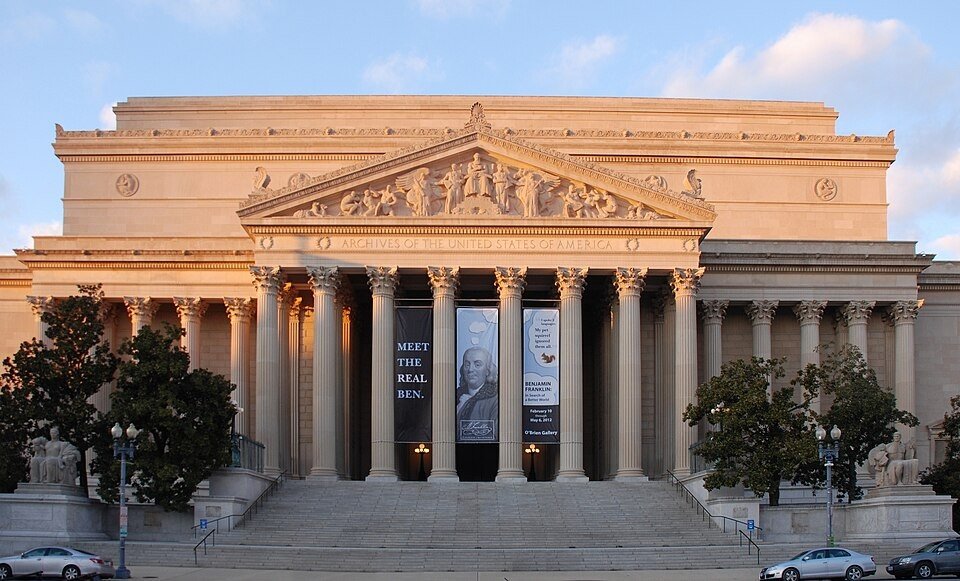
Built the federal archives building and records system that preserves the Constitution, Declaration, Bill of Rights, and government records.
* Dollar amounts are shown in two ways when reliable cost figures were available. “Original $” shows the historical amount reported for the project, program, law, or public investment at the time it was built, authorized, or completed. “Current $” converts that amount into today’s dollars using a CPI inflation adjustment from the project’s cost-basis year to the current-dollar period used for this index.
These figures are meant to help readers understand scale. They are not estimates of total economic value, replacement cost, lifetime costs including maintenance and improvements, lifetime benefits, or return on investment. Some events do not have a single meaningful dollar amount – especially laws, institutions, land systems, public credit tools, or long-running finance structures – so those entries are marked N/A rather than forcing an artificial number.

