Fiscal illusion reveals how governments shape perceptions of taxation, spending, and public benefits, influencing political decisions and public understanding.
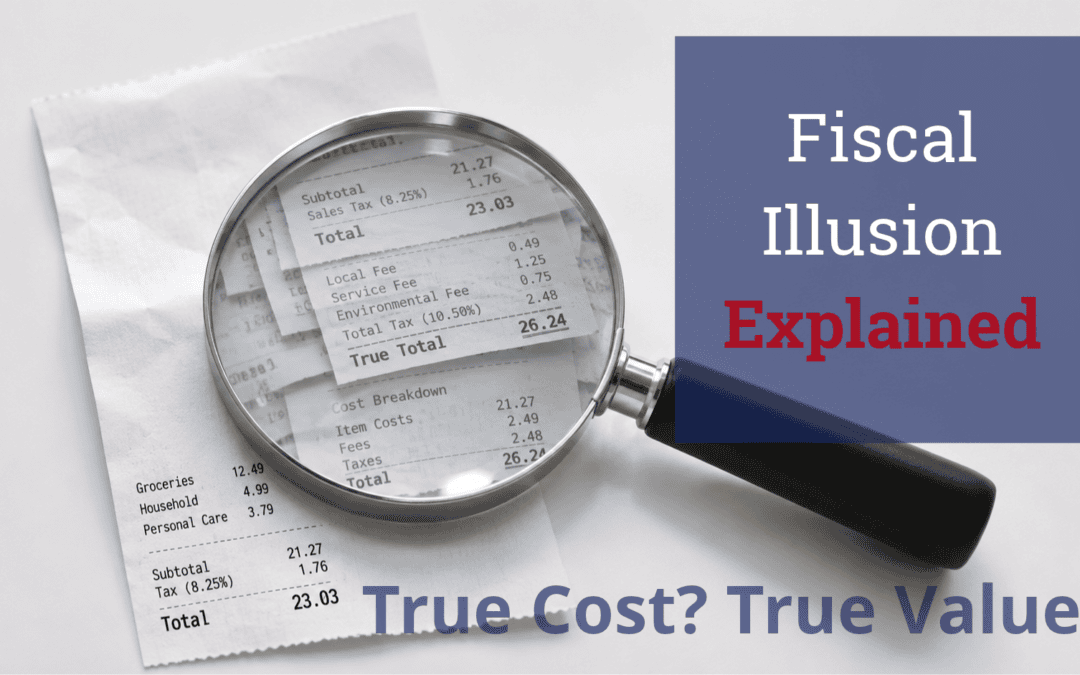
Fiscal Illusion: True Cost of Government
Continue Reading

Political Economy
Fiscal illusion reveals how governments shape perceptions of taxation, spending, and public benefits, influencing political decisions and public understanding.
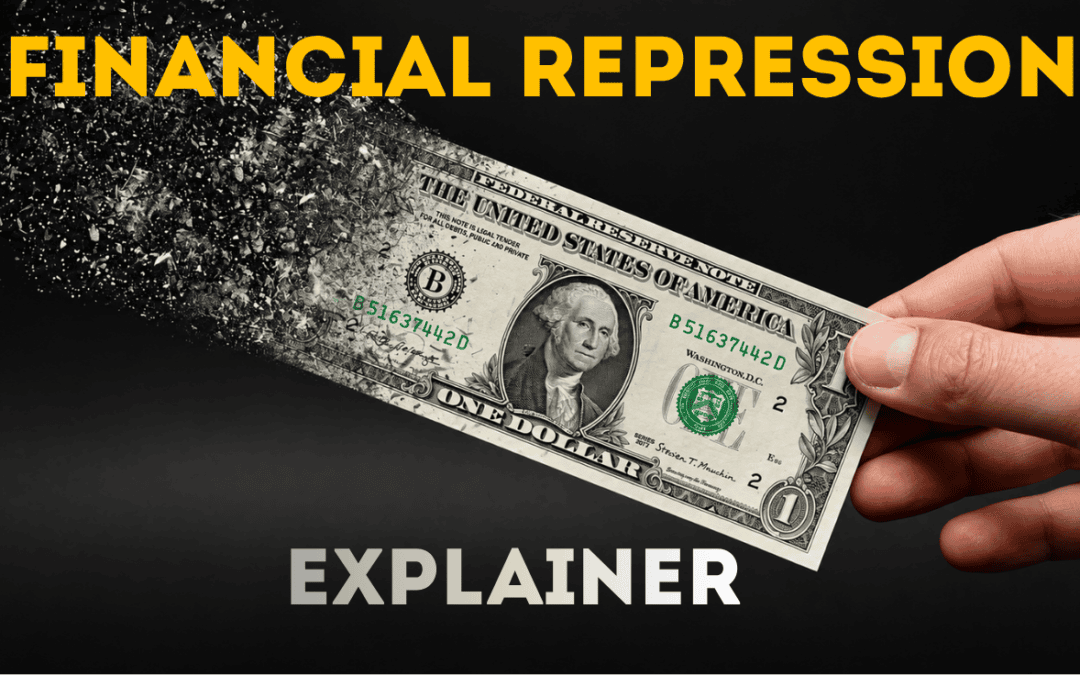
Financial Repression Explained: How government borrowing can become cheaper while a family’s savings buys less
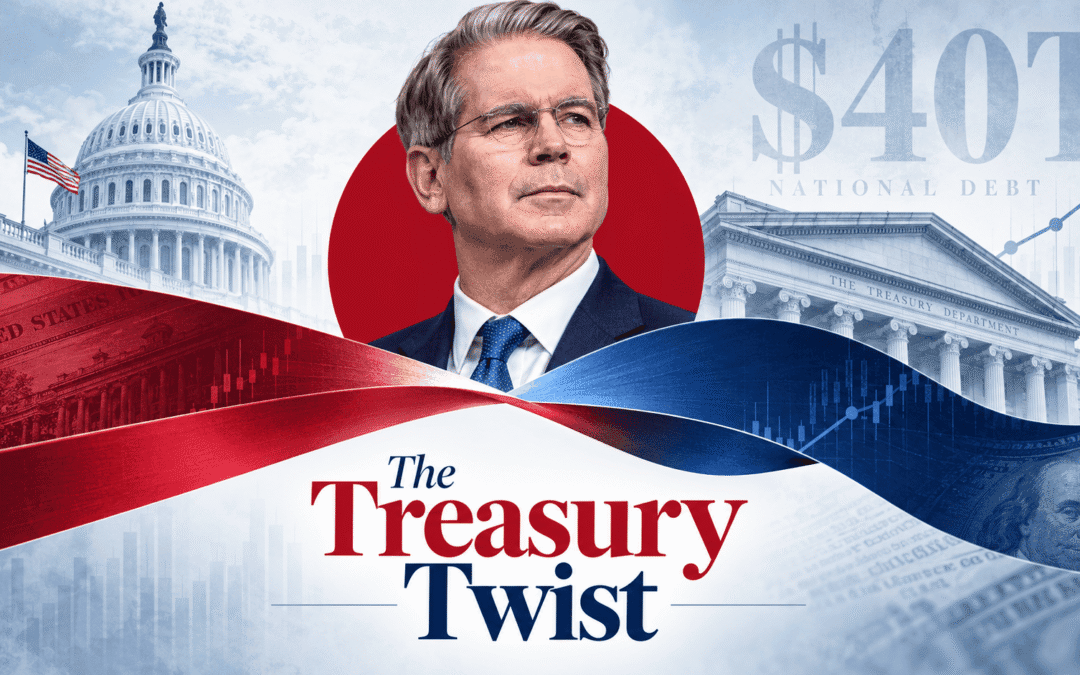
The “Treasury Twist” is an emerging strategy to manage America’s rising borrowing costs by leaning more on short-term debt while supporting liquidity in longer-term Treasuries. Here’s how it works, why it matters, and what it could mean for the federal budget, the economy, and the American Dream.
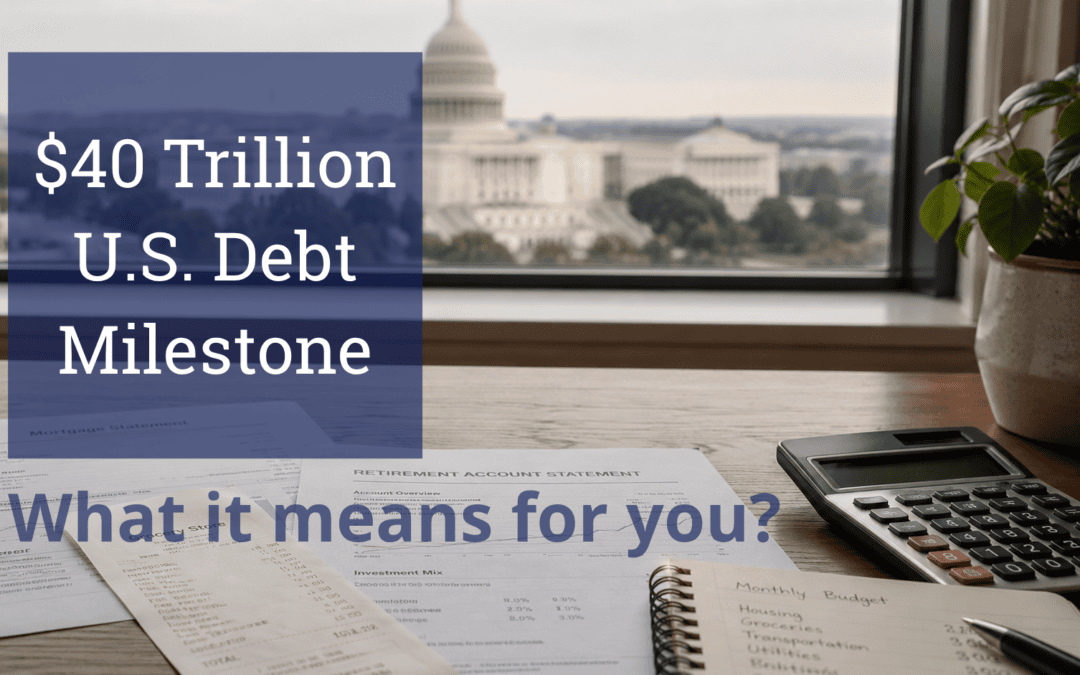
The U.S. national debt has crossed $40 trillion. What does that mean for ordinary Americans? We look at how rising debt can affect inflation, interest rates, economic growth, taxes, retirement savings and the country’s ability to respond to future crises.
Tax Day 2026 – April 15th will be here soon.
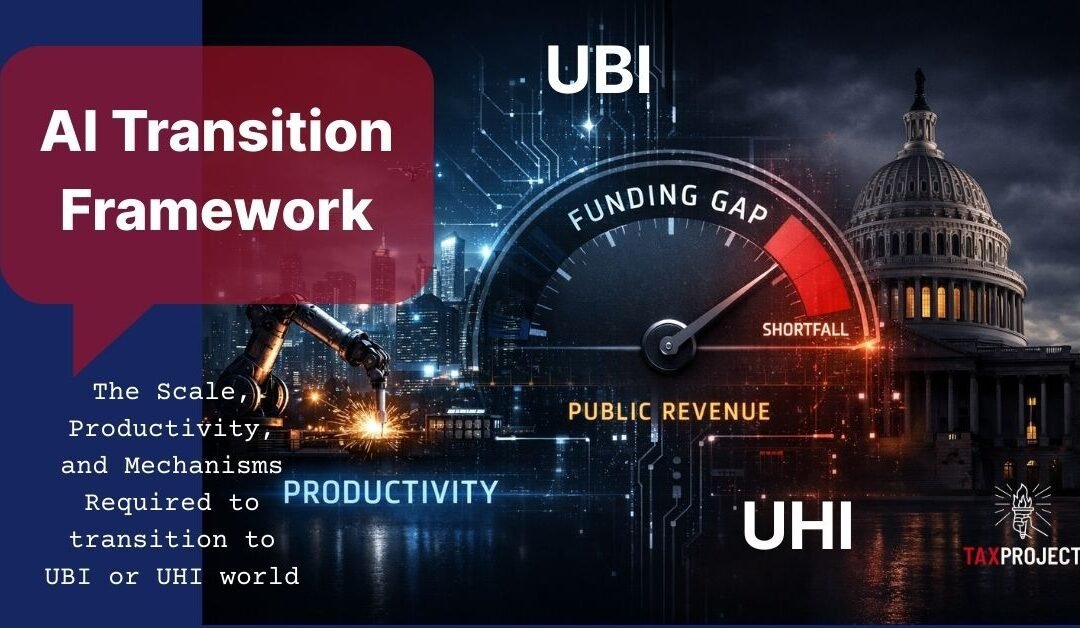
How will we pay for the AI transition if UBI and/or UHI become necessary or desired? Planning for the road ahead.

AI Transition: The Bumpy road ahead. A conceptual framework of how it may work out, and some of the planning that needs to go into such a revolutionary change.
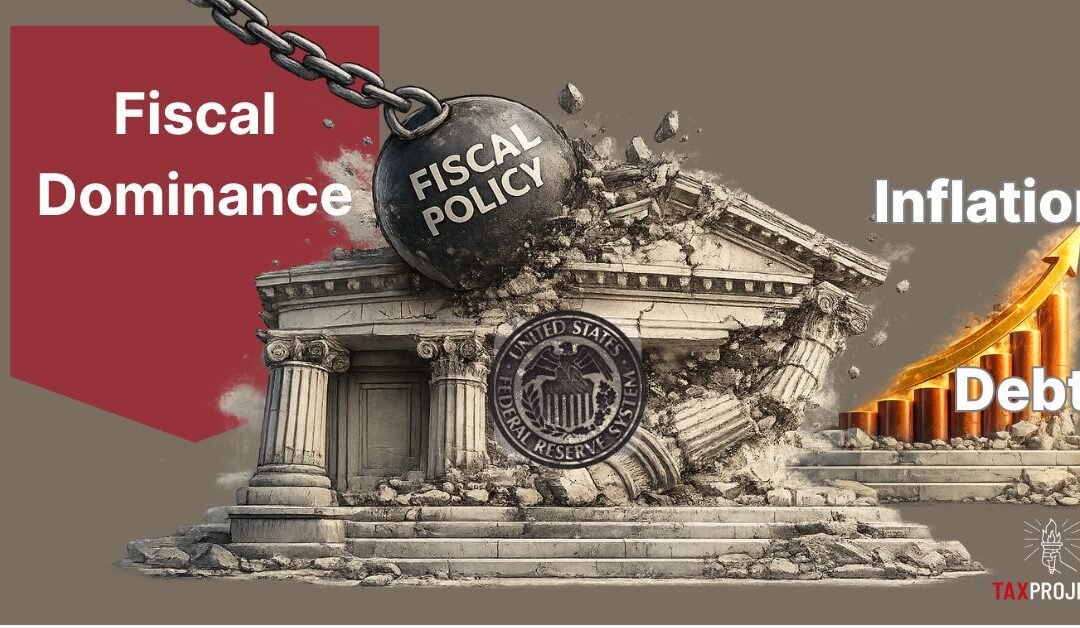
Are we entering an era of Fiscal Dominance? What is it, and what you need to know.
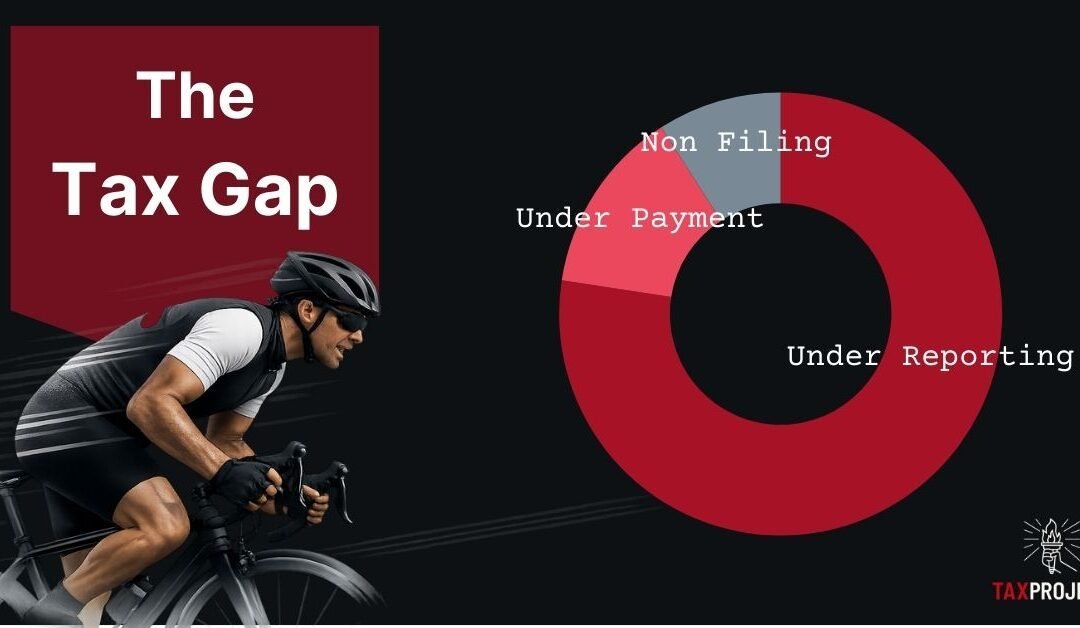
The Tax Gap: Explainer – what is it, and how it’s calculated.

