
250 Years of Public Finance in America
Stories of how Americans funded and Built the Nation
Foreign Credit and the French Alliance
How France helped finance a war that American revenue alone could not carry.
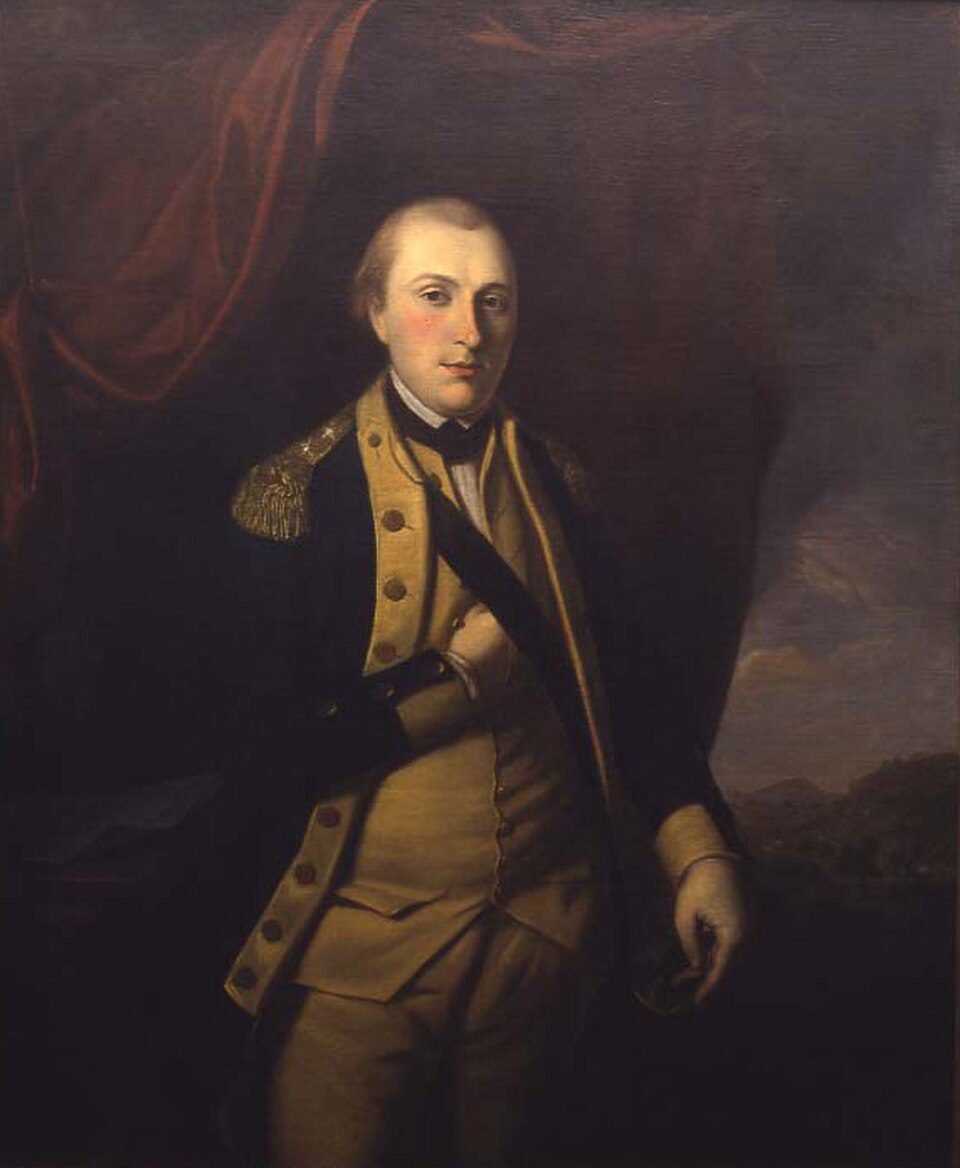
The American Revolution was not financed by American resources alone. Congress declared independence before the new country had a strong treasury, a stable currency, or a reliable national tax system. It could issue paper money and ask states for supplies, but the army needed muskets, powder, uniforms, ships, food, wagons, cash, and credit. Foreign support, especially from France, helped close the gap between what Americans wanted to do and what their new government could actually pay for. [1]
France is often remembered for Yorktown, where French naval power helped trap the British army. But the financial side mattered long before the final campaign. French aid included supplies, loans, diplomatic recognition, military assistance, and naval support. The French support gave the American cause more credibility in Europe and helped Congress obtain goods that were difficult to produce or buy at home during wartime. [1]
American diplomats needed allies who could provide weapons, supplies, cash, and confidence. Benjamin Franklin negotiated loans from the French government, and the U.S. Department of State notes that French government loans during the Revolution eventually totaled over $2 million. John Adams later secured a Dutch loan in 1782. Those amounts did not replace American sacrifice, but they bought time and supplied resources when the country’s ability to raise revenue was weak. [2]
Foreign credit worked because the Revolution was a test of confidence as well as arms. Lenders and suppliers had to decide whether the United States might survive long enough to repay its obligations. The American victory at Saratoga helped change that calculation. France signed treaties of amity and commerce and alliance with the United States in 1778, turning support into formal diplomatic and military commitments. [3]
Allied support was not free. Loans had to be repaid, supplies had to be moved, and diplomacy created obligations. The alliance also linked American independence to the wider rivalry between France and Britain. That is part of the public finance lesson: countries sometimes pay for urgent public goals through partners and credit markets beyond their own borders. Establishing alliances and credit is crucial for any nation.
The finance problem was also a supply problem. Continental paper could not magically create gunpowder, cloth, cannon, ships, or trained naval crews. Foreign support helped turn diplomatic recognition into usable wartime resources. Independence was won on battlefields, but it was also sustained through credit, diplomacy, and supply chains. France’s alliance gave the United States access to badly needed money, goods, credibility, and more time than Congress could raise alone.
Fiscal Facts
- France formally allied with the United States in 1778 after the American victory at Saratoga. [3]
- French support included loans, supplies, diplomatic recognition, troops, and naval power. [1]
- The U.S. Department of State notes that French government loans during the Revolution eventually totaled over $2 million. [2]
- Foreign credit helped meet immediate wartime needs but also created future repayment obligations.
References
[1] Library of Congress, France in the American Revolution: https://www.loc.gov/classroom-materials/united-states-history-primary-source-timeline/american-revolution-1763-1783/france-in-american-revolution/
[2] U.S. Department of State, Office of the Historian, U.S. Debt and Foreign Loans, 1775-1795: https://history.state.gov/milestones/1784-1800/loans
[3] National Archives, Treaty of Alliance with France: https://www.archives.gov/milestone-documents/treaty-of-alliance-with-france
[4] U.S. Department of State, Office of the Historian, French Alliance: https://history.state.gov/milestones/1776-1783/french-alliance