
250 Years of Public Finance in America
Stories of how Americans funded and Built the Nation
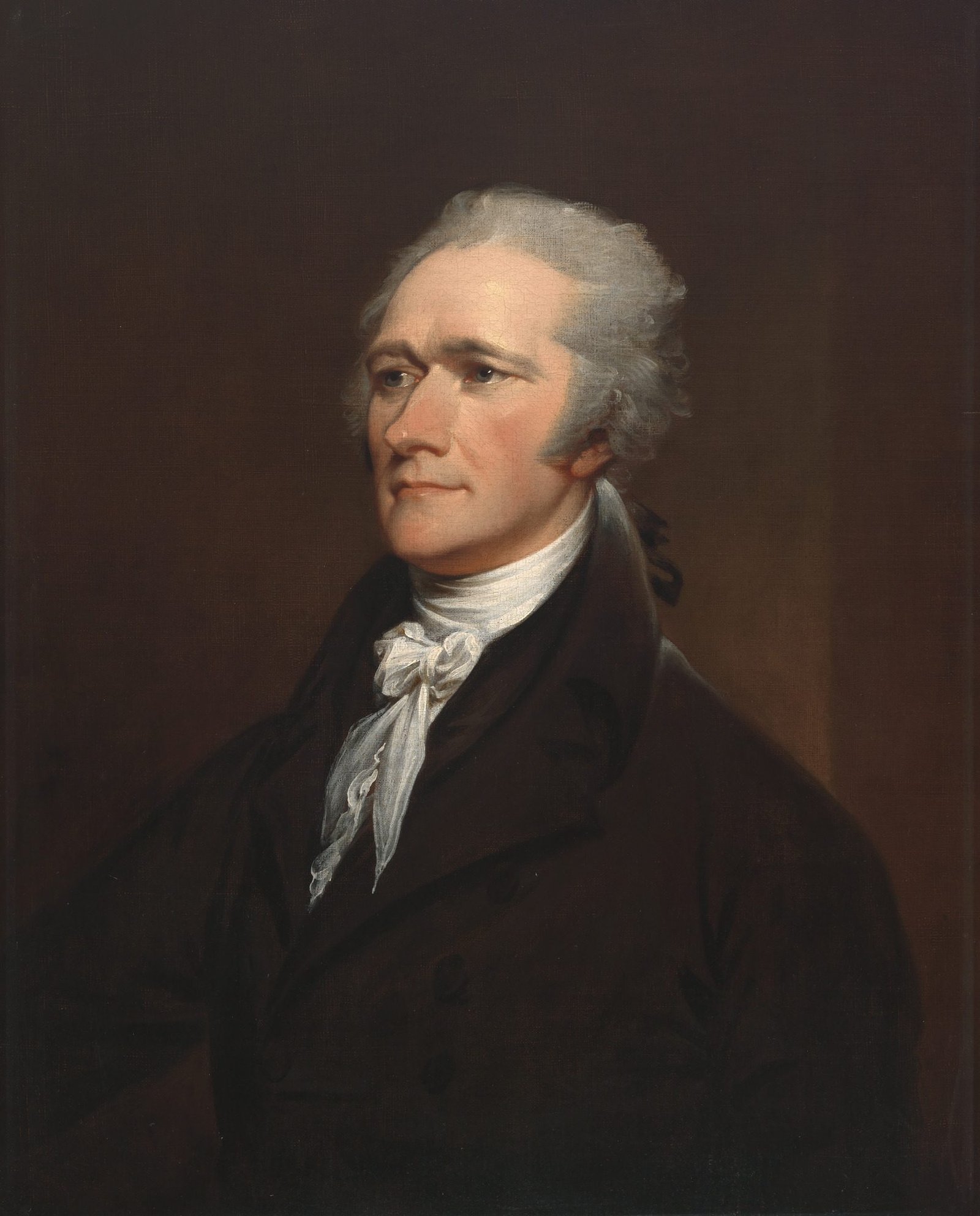
Hamilton and the Creation of Public Credit
How the new government turned Revolutionary debt into a test of national trust.
When the Revolutionary War ended, the United States had independence and a pile of unpaid bills. Soldiers, suppliers, foreign lenders, and holders of public securities expected payment. Some debts belonged to the national government; others belonged to the states. The new Constitution gave Congress stronger money powers, but the country still had to prove that those powers would be used responsibly. Alexander Hamilton, the first Secretary of the Treasury, made public credit one of the central tasks of the new republic.
Public credit means trust that a government will honor its promises. Hamilton believed the United States needed that trust to borrow at reasonable rates, support commerce, attract investment, and operate as a real nation. His plan funded the national debt and assumed many state Revolutionary War debts into a national system. Instead of treating old debts as scattered claims, the Treasury reorganized them into federal obligations. [1]
“States, like individuals, who observe their engagements, are respected and trusted”
Alexander Hamilton, Report on Public Credit [4]
The plan was controversial. Some original holders of debt certificates had sold them cheaply before funding increased their value. Some states had already paid down more of their debts and objected to assumption. Others worried that a funded national debt would increase federal power and create a class of investors tied to the Treasury. The finance question was not only how to pay. It was who would benefit, who would bear the cost, and what kind of government the country was building.
The revenue side mattered as much as the debt plan. A promise to pay is stronger when it is connected to dependable revenue. The federal government relied heavily on customs duties from imports, and Hamilton supported excise taxes to help fund obligations. Customs collectors, Treasury records, accounting methods, and debt instruments turned constitutional money powers into daily operations.
Hamilton’s debt program also helped create a national financial market. Federal securities could be bought, sold, and used as assets. Banks could hold them. Merchants could value them. Creditors could watch whether the government paid reliably. This connected public promises to private economic activity. [2]
The lasting lesson is that debt is not only a number. It is a promise, a record of past choices, and a claim on future revenue. Hamilton’s system did not end debate over debt or federal power, but it helped move the United States from a fragile postwar debtor toward a government creditors could take seriously. That balance and promise is something that, still to this day, must be maintained, enhanced, and preserved.
Fiscal Facts
- Hamilton became the first Secretary of the Treasury in 1789. [1]
- His funding and assumption plans reorganized Revolutionary debt into federal obligations.
- Customs duties and excise taxes helped connect repayment promises to revenue.
- Public credit meant the new government could borrow more credibly when future needs arose.
References
[1] U.S. Department of the Treasury, History of the Treasury: https://home.treasury.gov/about/history
[2] Library of Congress, Alexander Hamilton Papers: https://www.loc.gov/collections/alexander-hamilton-papers/about-this-collection/
[3] Federal Reserve History, First Bank of the United States: https://www.federalreservehistory.org/essays/first-bank-of-the-us
[4] University of Chicago Press, Founder’s Constitution, Alexander Hamilton, Report on Public Credit: https://press-pubs.uchicago.edu/founders/documents/a1_8_2s5.html