
250 Years of Public Finance in America
Stories of how Americans funded and Built the Nation
Utility Franchises and Public Regulation
How public finance shaped electricity, transit, water, gas, and communications.
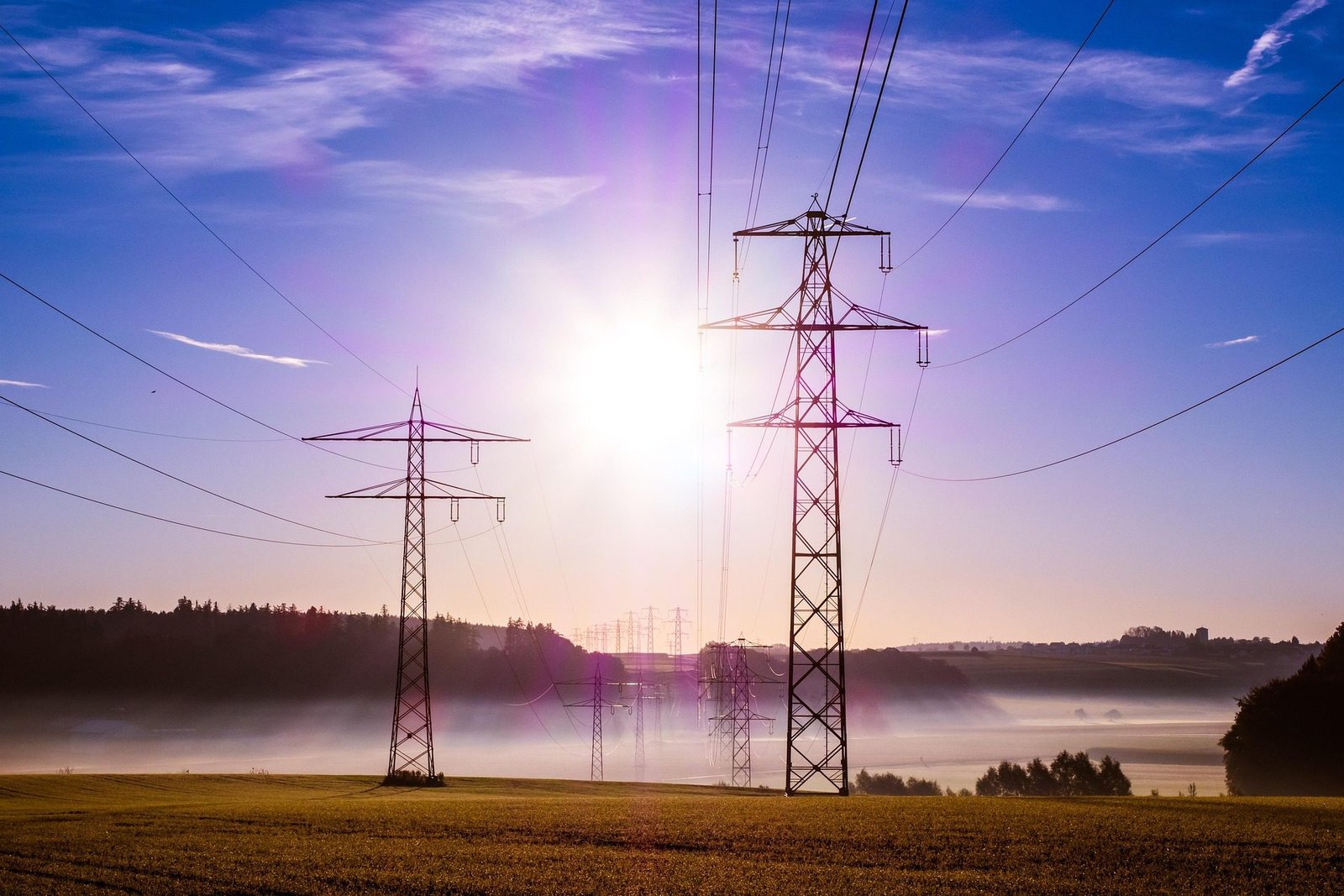
Industrial cities needed services that crossed streets and neighborhoods: streetcars, electric lines, gas mains, water pipes, telephone wires, and later power networks. These systems often required private companies to place tracks, poles, wires, or pipes in public streets. A city could grant a franchise, meaning legal permission to use public space under rules set by government. That permission had financial value because public streets gave companies access to customers. [2]
A franchise could define routes, service duties, fees, rates, duration, safety rules, and public obligations. If the bargain worked, private capital helped build services without the city paying every construction cost directly. If the bargain was weak, residents could face high fares, poor service, limited expansion, corruption, or private control over essential systems. The finance question was direct: what should the public receive when a company is allowed to use public space for profit?
Streetcars make the issue concrete. A streetcar company needed tracks in public streets, power supply, operating rights, and permission to collect fares. The city needed transportation for workers and residents. Franchise agreements could align those interests, but they also created conflicts over fares, routes, service quality, and political influence. In dense cities, transportation shaped where people could live and work. [2]
Electric power created a related choice: private franchise, public regulation, or municipal ownership. Seattle gives a useful example. In 1902, voters approved a $590,000 bond issue to build a municipal hydroelectric plant on the Cedar River. Seattle City Archives note that the facility began operating in 1905 and powered the city’s streetlight network; the archive describes it as the nation’s first municipally owned hydroelectric project. [4]
Seattle’s example shows how public infrastructure can be operated by public and not private enterprise. Instead of granting the entire opportunity to a private company, voters approved public borrowing for a city-owned power project. The public took on debt and risk, but it also kept control over a basic service and its future revenues.
These networks often behaved like natural monopolies. It made little sense to fill the same street with many competing sets of pipes, tracks, and wires. That is why regulation mattered. Public officials and voters argued over rates, access, safety standards, service expansion, and whether companies were earning too much from public rights-of-way. [3]
Utility franchises show that public finance is not only taxes and spending. Sometimes the public asset is legal permission. Sometimes it is a bond issue, a rate rule, a service requirement, or a franchise fee. The same questions still appear today in electricity, broadband, transit, water, and communications: when private capital uses public space to provide essential service, what protections and returns should the public secure? The lesson: public infrastructure can be paid for in a variety of ways both public and private with benefits and trade offs for both.
Fiscal Facts
- Utility franchises gave companies permission to use public streets and rights-of-way.
- Franchise agreements could include fees, rates, routes, service duties, duration, and safety rules.
- Seattle voters approved a $590,000 bond issue in 1902 for a municipal hydroelectric plant on the Cedar River. [4]
- Public finance can work through legal permission, regulation, municipal borrowing, or public ownership.
References
[1] HistoryLink, Municipal Ownership Movement: https://www.historylink.org/File/1738
[2] Library of Congress, Progressive Era to New Era overview: https://www.loc.gov/classroom-materials/united-states-history-primary-source-timeline/progressive-era-to-new-era-1900-1929/overview/
[3] National Association of Regulatory Utility Commissioners, History resources: https://www.naruc.org/about-naruc/history/
[4] Seattle Municipal Archives, Electric Power: https://www.seattle.gov/cityarchives/exhibits-and-education/online-exhibits/a-city-at-work/electric-power