
250 Years of Public Finance in America
Stories of how Americans funded and Built the Nation
Liberty Bonds and World War I
How bond drives turned government borrowing into a national civic campaign.
World War I required money far beyond normal peacetime budgets. The United States needed to pay for soldiers, ships, weapons, training camps, food, transport, loans to allies, and industrial mobilization. Taxes increased, but borrowing carried much of the cost. Liberty Bonds became the public face of that borrowing. A person who bought a bond lent money to the government and received a promise of repayment with interest.
The numbers were large. Liberty Loan and Victory Loan campaigns raised more than $20 billion for the war effort. NBER research summaries place Liberty loan borrowing at about $22 billion and report that at least a third of Americans age 18 or older bought bonds. War borrowing reached deep into households, workplaces, banks, and community organizations. It was not just a Wall Street transaction. [1]
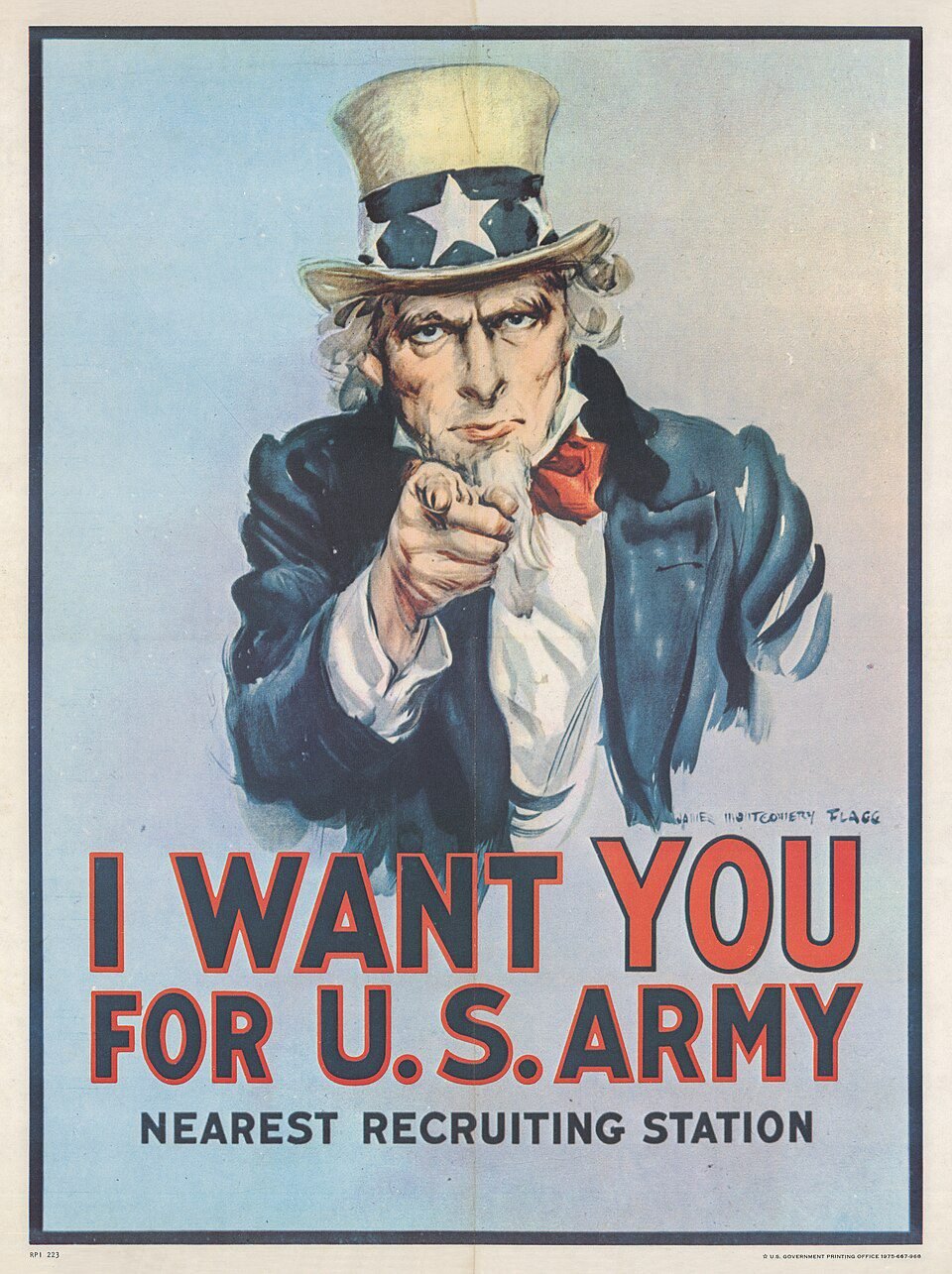
The campaigns used posters, speeches, parades, banks, employers, schools, celebrities, and local committees. Lower-cost savings stamps let people build toward a bond purchase. This mattered because the government needed to reach people who did not normally buy securities. Liberty Bonds introduced many Americans to investing in government debt. The bond drive was part finance, part patriotism, part marketing, and part public education.
The payment chain was simple: citizens lent money, the Treasury spent it on war needs, and future taxpayers paid interest and principal. Borrowing let the government spend immediately and repay over time, which was useful when war costs arrived quickly. But borrowing did not erase cost. It moved part of the cost into future budgets. [2]
Liberty Bonds made borrowing visible to ordinary households. A bond was a loan, not a donation, and the buyer expected repayment. The drives showed that public debt can be both a financial instrument and a civic campaign: raising money today, organizing participation today, and leaving repayment for future budgets. As with previous examples, Wars demand and put tremendous pressure on public finance, and many of the innovations we have today come from some of our most challenging periods.
Fiscal Facts
- Liberty Loan and Victory Loan campaigns raised more than $20 billion for World War I. [1]
- NBER research summarizes Liberty loan borrowing at about $22 billion. [1]
- At least a third of Americans age 18 or older bought bonds, according to the same research summary. [1]
- A bond was a loan to the government, not a donation.
References
[1] National Bureau of Economic Research, WWI Liberty Bonds and the Culture of Investing: https://www.nber.org/digest/202011/wwi-liberty-bonds-and-culture-investing
[2] National Archives, Liberty Bonds posters and records: https://www.archives.gov/research/military/ww1/liberty-bonds
[3] WWI Changed US, Selling World War I: Buy Liberty Bonds: https://wwichangedus.org/wp-content/uploads/2020/04/09-Source-Spotlight-Selling_Liberty_Bonds.pdf