
250 Years of Public Finance in America
Stories of how Americans funded and Built the Nation
Social Security and Payroll Tax Finance
How a recurring payroll tax helped create a Social Safety net.
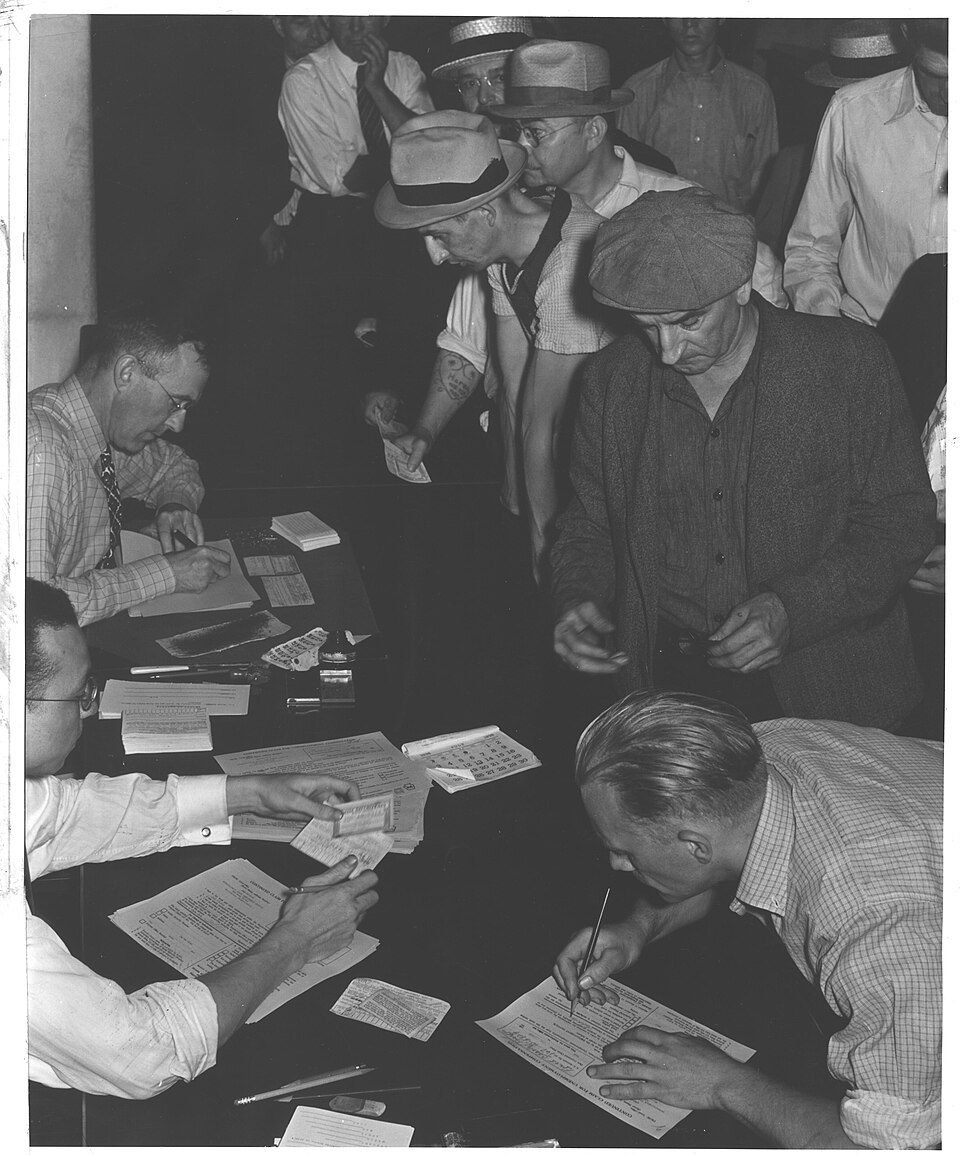
Social Security changed the connection between work, taxes, and old-age security. Signed in 1935, the program created a national system of social insurance for covered workers. Payroll tax collections began in 1937. At the start, the tax rate was 1 percent from workers and 1 percent from employers on covered wages up to $3,000. Those numbers were small compared with today’s system, but the design was important: a recurring public commitment would be supported by recurring payroll contributions. [1]
The program responded to a real problem. During the Great Depression, many older Americans had little income and few savings. Families, charities, local governments, and states provided support, but the patchwork was uneven. Social Security created a national framework. Workers contributed during their working years, and benefits would later support eligible retirees and families. [1]
“some measure of protection to the average citizen and to his family”
Franklin D. Roosevelt, signing statement [4]
Payroll taxes were designed to feel connected to work. They are deducted from wages, matched by employers, and credited to the system. That structure helped distinguish Social Security from ordinary welfare in the public mind. People could see it as earned insurance supported by contributions. Over time, Congress expanded benefits, covered more workers, and adjusted tax rates and wage bases. [2]
Administration is part of the story. Workers and employers contribute under rules set by law. Earnings records are kept. Benefits are calculated later using formulas. Without records and steady collections, the promise would be hard to deliver. Social Security is both a benefit system and a recordkeeping system, linking decades of work to monthly payments in old age, disability, or family loss.
The early exclusions are important. Many agricultural workers, domestic workers, and others were not covered at first, leaving out many lower-income workers and many Black workers in the South. Coverage expanded later, but the starting design affected who received protection. Funding rules shape not only how much money is raised, but who is included.
Social Security changed retirement from a patchwork of family support, charity, savings, employer pensions, and local relief into a national contribution-based system. Its long life shows how a paycheck deduction can become a durable public promise – and why recurring promises require recurring attention to funding.
Fiscal Facts
- Social Security was signed into law in 1935, and payroll tax collections began in 1937. [1]
- The initial payroll tax was 1 percent from workers and 1 percent from employers on covered wages up to $3,000. [2]
- Payroll taxes connected contributions to covered work and future benefits.
- The program began narrower than today’s system and expanded over time.
- Social Security is one of the largest items in the Federal Budget, greater than Defense spending.
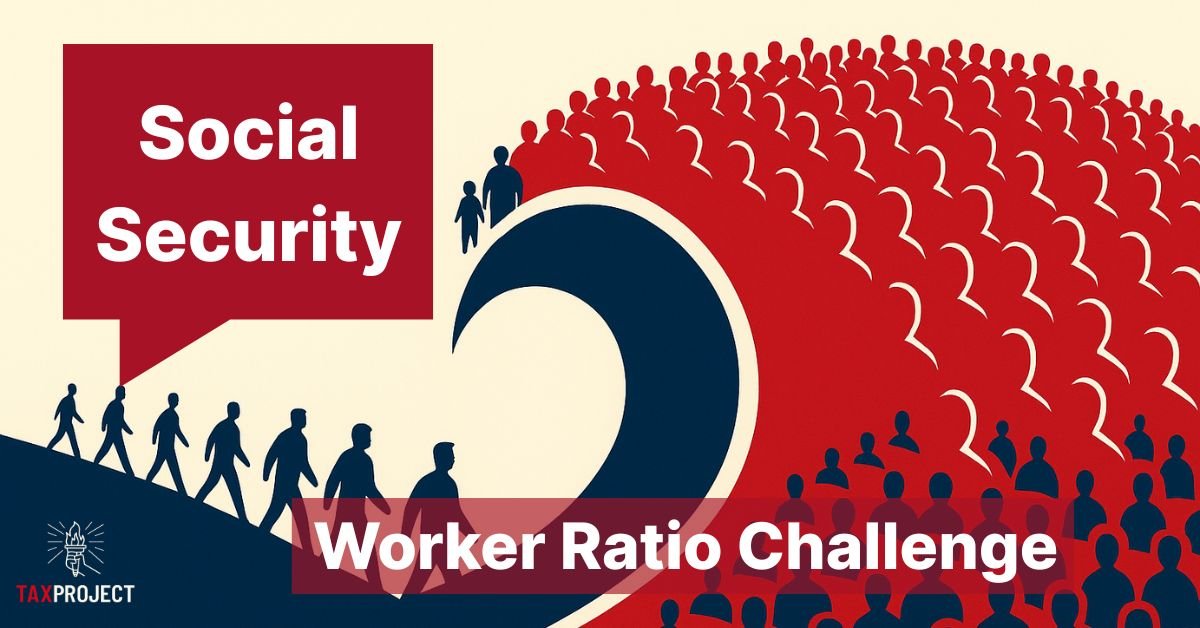
- When the program began there were over 40:1 workers to beneficiaries, today it’s less than 3:1
References
[1] Social Security Administration, Historical Background and Development: https://www.ssa.gov/history/briefhistory3.html
[2] Social Security Administration, Collection of payroll taxes began in 1937: https://www.ssa.gov/history/50mm2.html
[3] Social Security Administration, Evolution of Social Security’s Taxable Maximum: https://www.ssa.gov/policy/docs/policybriefs/pb2011-02.html
[4] American Presidency Project, Franklin D. Roosevelt, Statement on Signing the Social Security Act: https://www.presidency.ucsb.edu/documents/statement-signing-the-social-security-act-0