
250 Years of Public Finance in America
Stories of how Americans funded and Built the Nation
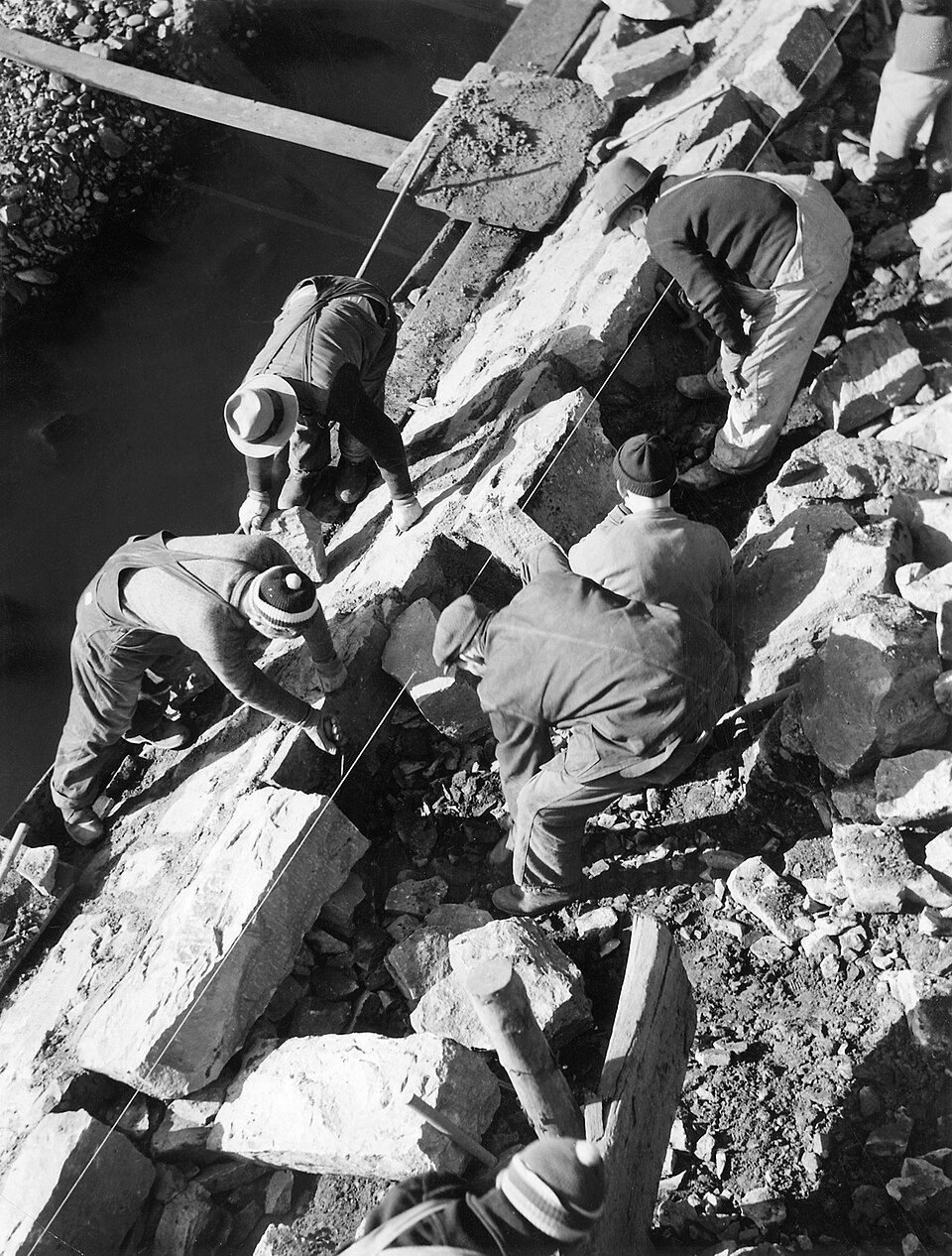
WPA, TVA, and Rural Electrification
How Depression-era dollars became jobs, power, roads, and schools.
The Great Depression left millions of Americans out of work and many communities short of the public improvements they needed. New Deal programs used federal dollars to address both problems at once: provide work and build assets. Three examples show the range of the effort: the Works Progress Administration, the Tennessee Valley Authority, and rural electrification. Each used money differently, but all connected national funding to visible local change. [1]
The Works Progress Administration, created in 1935, became one of the largest work relief programs in American history. The National Archives identifies it as a major federal work relief agency operating until 1943. Common historical summaries report that the WPA employed about 8.5 million people over its life. Its projects included roads, bridges, schools, parks, airports, public buildings, cultural work, and local improvements. Federal dollars became wages, and wages became community assets. [1]
The Tennessee Valley Authority took a regional approach. Created in 1933, TVA used federal authority to address flooding, navigation, electricity, land management, and economic development in the Tennessee Valley. TVA’s own materials describe it today as the nation’s largest public power provider, serving more than 10 million people across a seven-state region. [2]
Rural electrification addressed another gap. In the 1930s, many rural homes and farms lacked electricity because private utilities often found sparsely populated areas too costly to serve. Federal loans and cooperative models helped extend power lines into rural communities. Electricity changed farm work, household life, education, health, and business. It supported pumps, refrigeration, lighting, machinery, and communications. [2]
The three programs had different payment paths. WPA paid wages and funded projects including many infrastructure we use today. TVA built and operated public power and regional infrastructure. Rural electrification used loans and cooperatives to reach places private utilities had not served. Together, they show that public funding is a toolbox, not a single method to achieving progress.
As with most large scale programs there were trade offs. Dams affected land and communities. Federal programs increased national influence. Project selection and work relief wages were debated. But the central point remains: WPA, TVA, and rural electrification gave Depression-era spending a double purpose – support people immediately and leave communities with useful assets that invest in the future.
Fiscal Facts
- The WPA operated from 1935 to 1943 and employed about 8.5 million people over its life. [1]
- TVA was created in 1933 to address power, navigation, flood control, and regional development. [2]
- Rural electrification used loans and cooperative models to extend power where private utilities often did not serve. [3]
- New Deal programs often combined immediate work relief with assets communities could keep using.
References
[1] National Archives, Records of the Work Projects Administration: https://www.archives.gov/research/guide-fed-records/groups/069.html
[2] Tennessee Valley Authority, TVA history: https://www.tva.com/about-tva/our-history
[3] U.S. Department of Agriculture, Rural Electrification Administration history: https://www.usda.gov/our-agency/about-usda/history