


 Colonial Settlement Era
 1607-1763
Who paid for government before there was a national government?

Local order, trade, defense, roads, ports, courts, and basic administration.

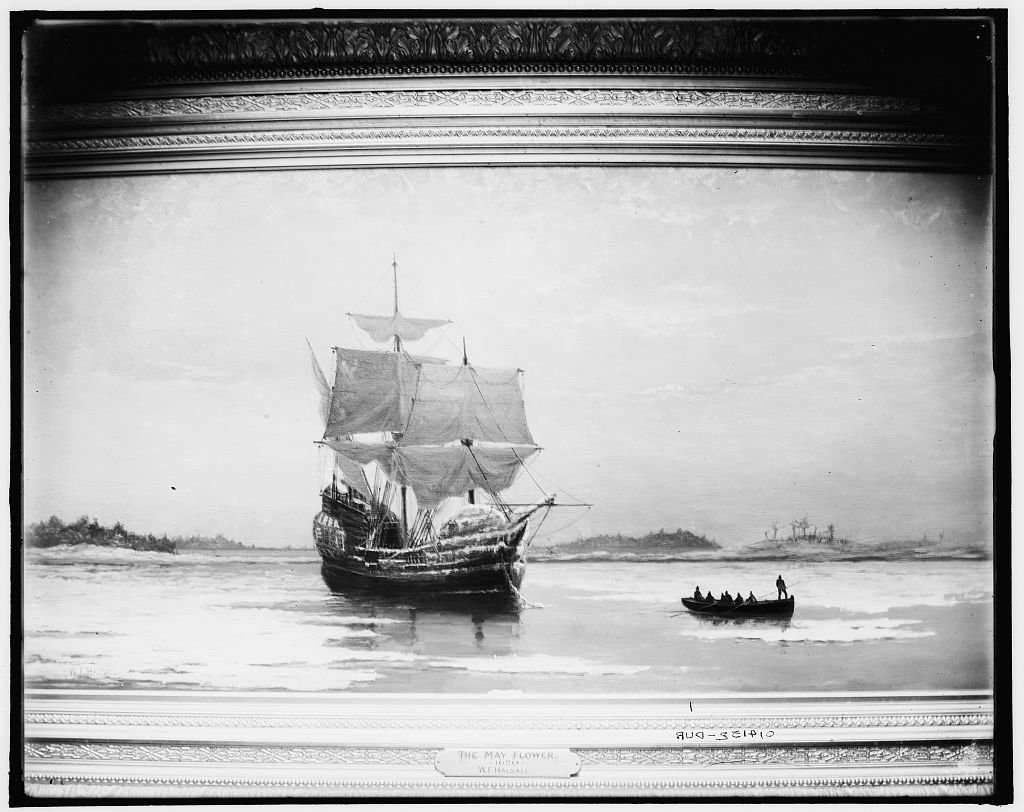
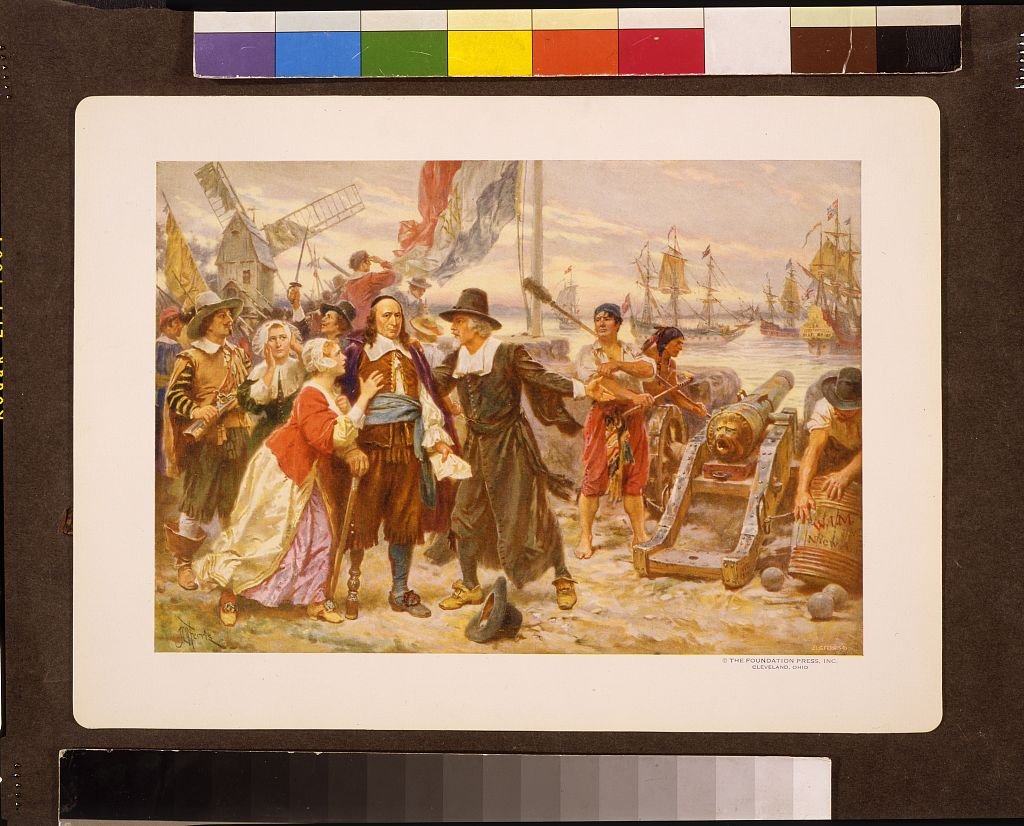
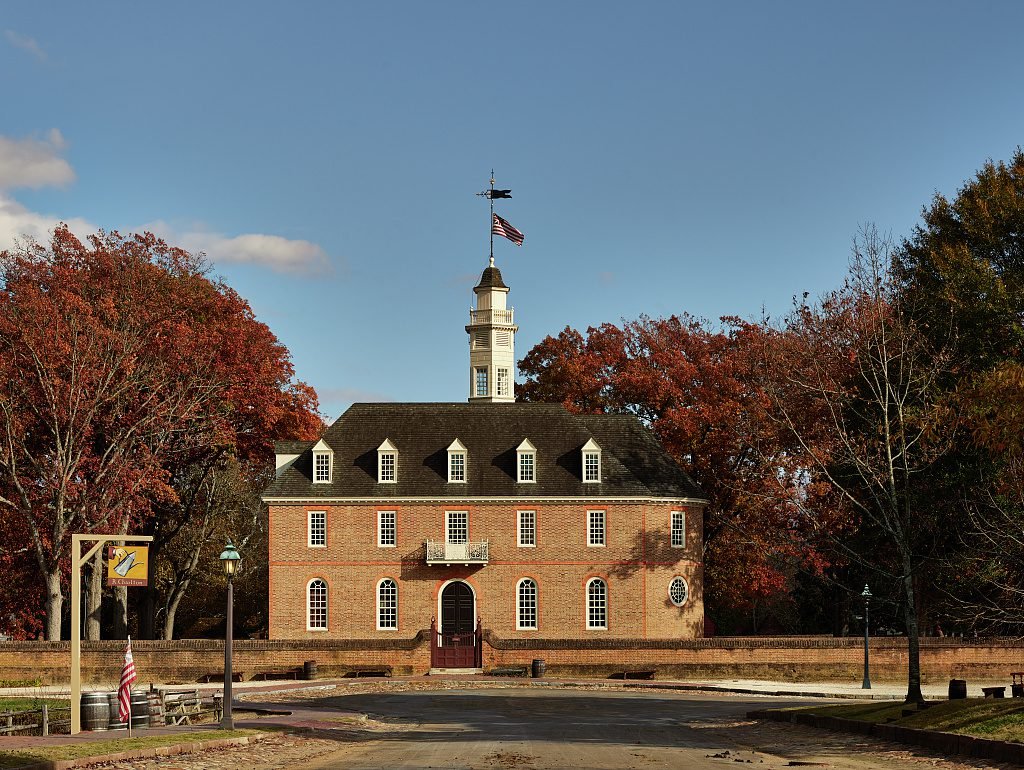
Colonists built basic public life before national institutions existed: local courts, roads, ports, militias, records, and assemblies.

Colonial public finance was local, practical, and uneven. Colonies and towns raised money through taxes, fees, fines, trade duties, local levies, and land-related revenue to pay for courts, roads, ports, defense, and basic administration. The system taught early Americans that public services required consent, collection systems, and institutions that could turn revenue into usable local government.
 How America Paid
 How Americans Benefited

 Anchor Events
 Defining Moments
 Top 100 Building Events

 American Revolution Era1763-1783
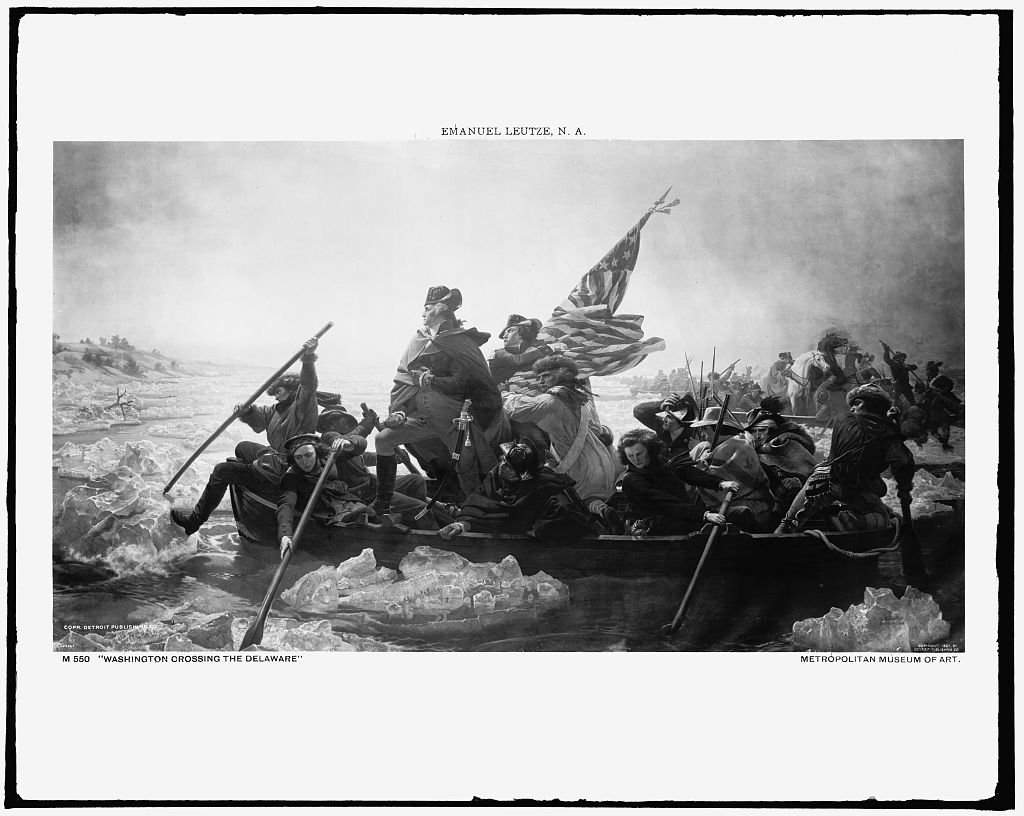
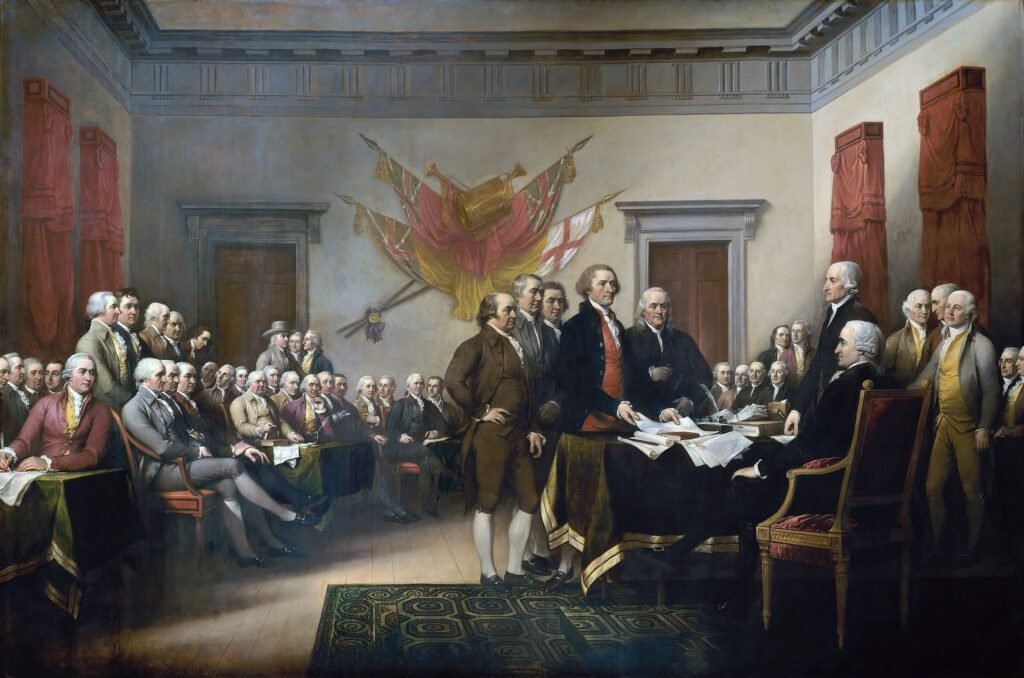
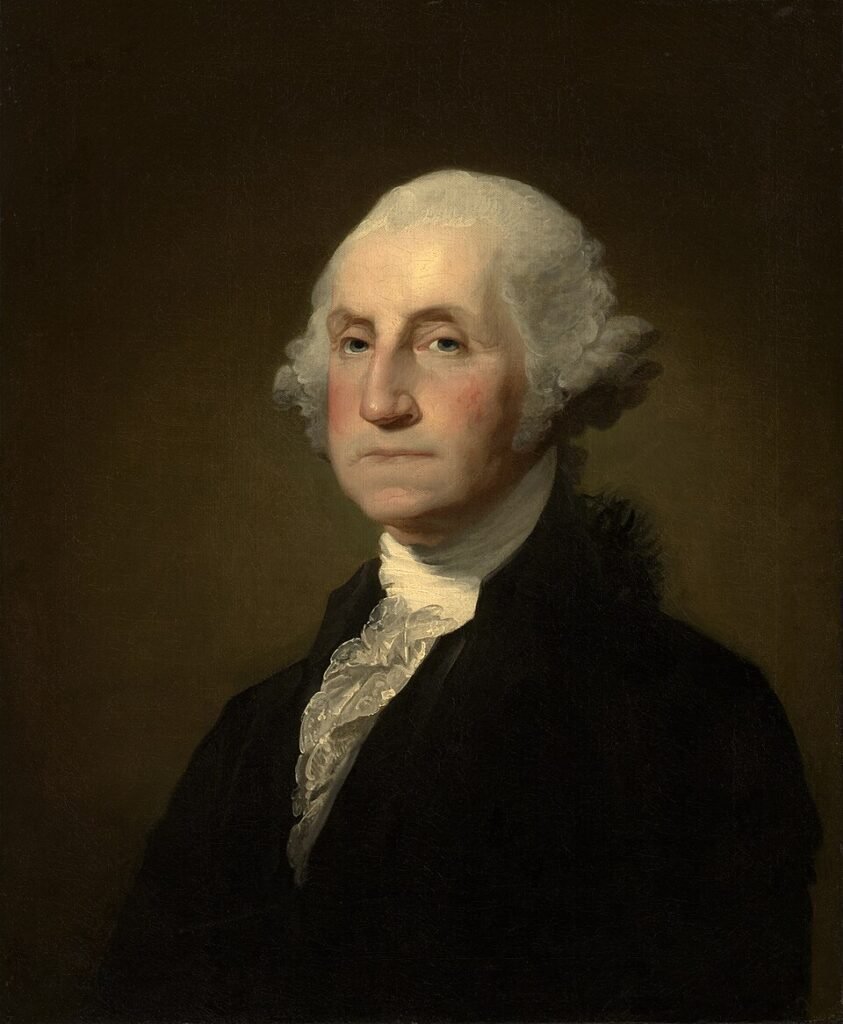
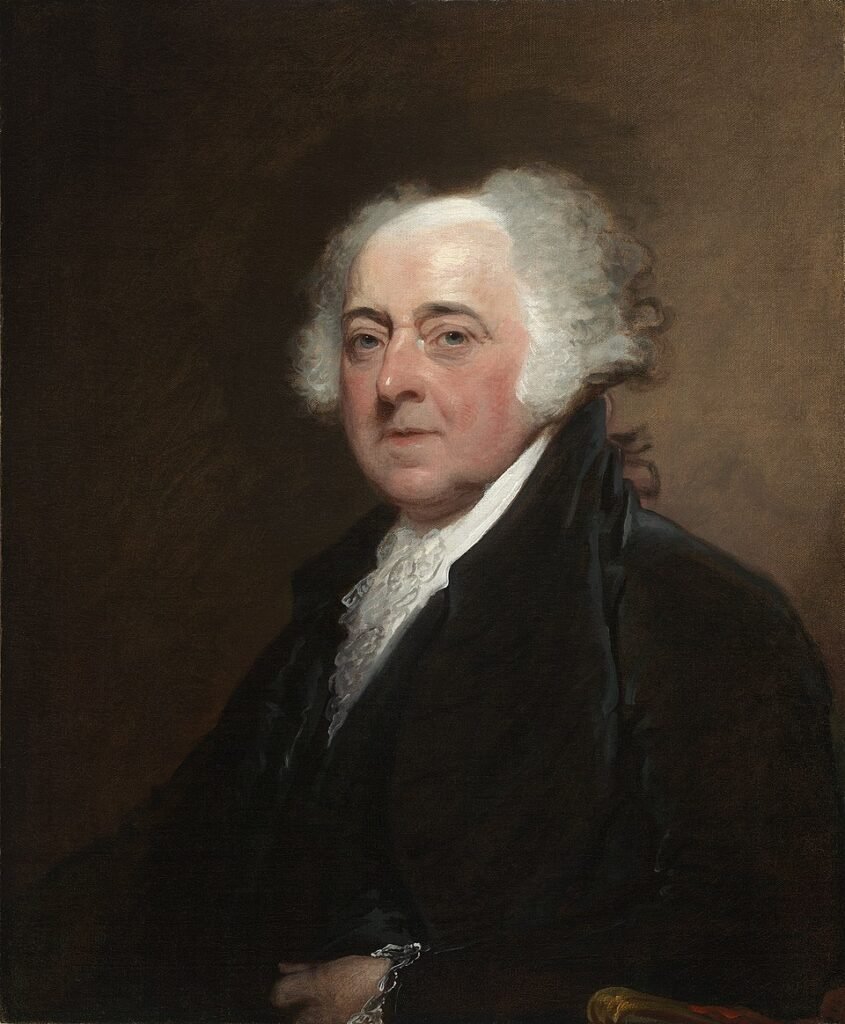
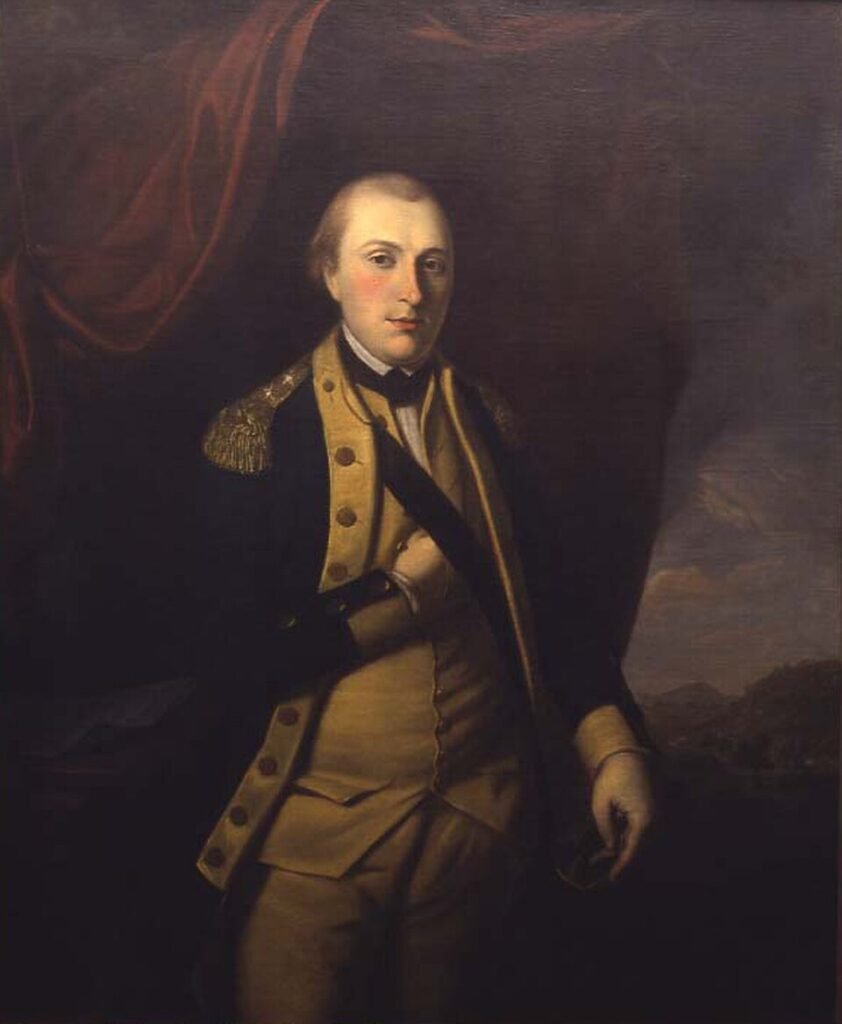
How did Americans finance independence before they had a strong national revenue system?
Protect self-government, organize resistance, and fund the war for independence.
Local resistance became a sustained war effort, supported by supplies, credit, foreign aid, and wartime coordination.
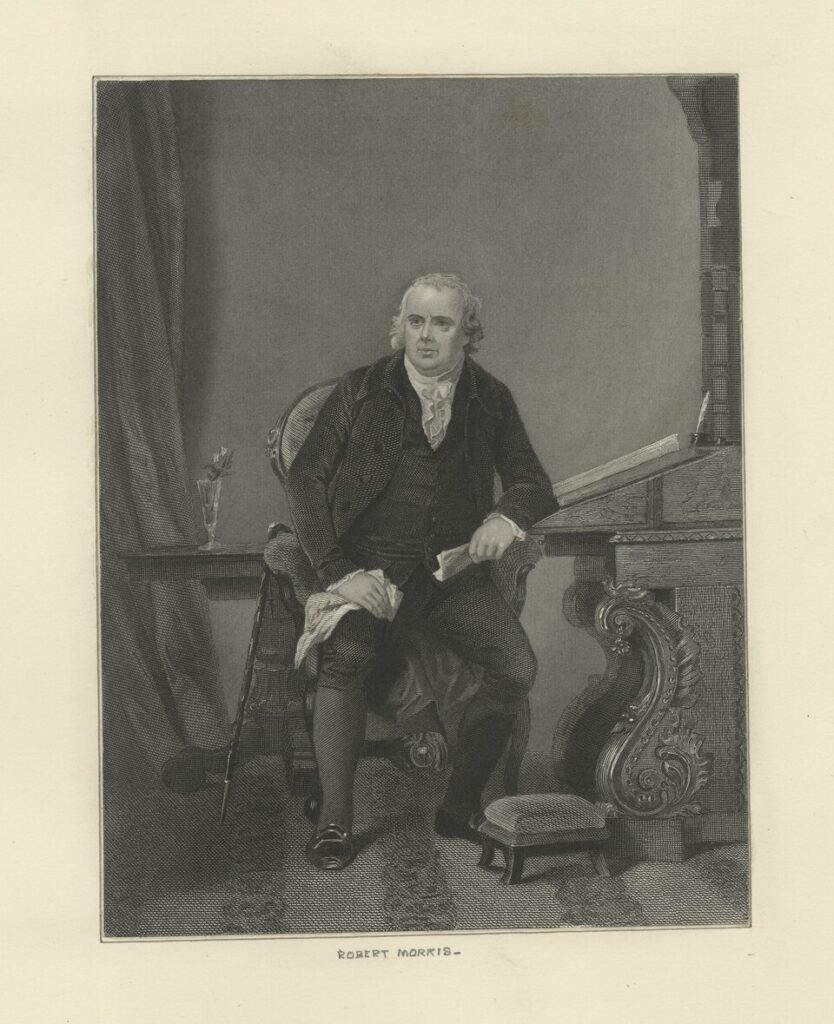
After 1763, resistance to imperial taxation became a fight over who controlled public revenue. Once war began, the colonies and Continental Congress had to finance soldiers, supplies, diplomacy, and military coordination without a modern federal tax system. Wartime finance relied on state taxes, requisitions, borrowing, foreign loans, paper money, and allied support. The war revealed both the power and weakness of improvised public finance.
How America PaidHow Americans Benefited
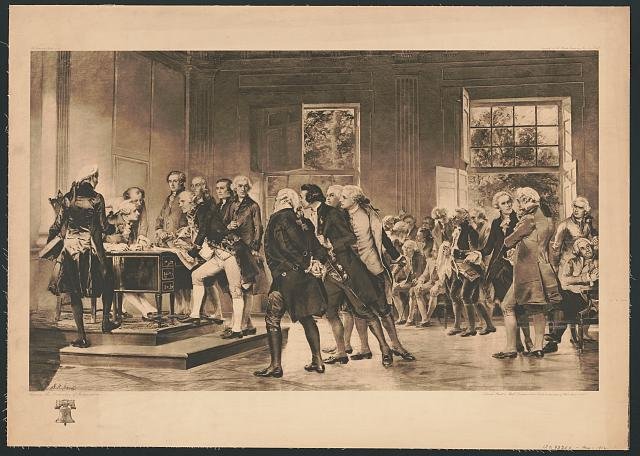
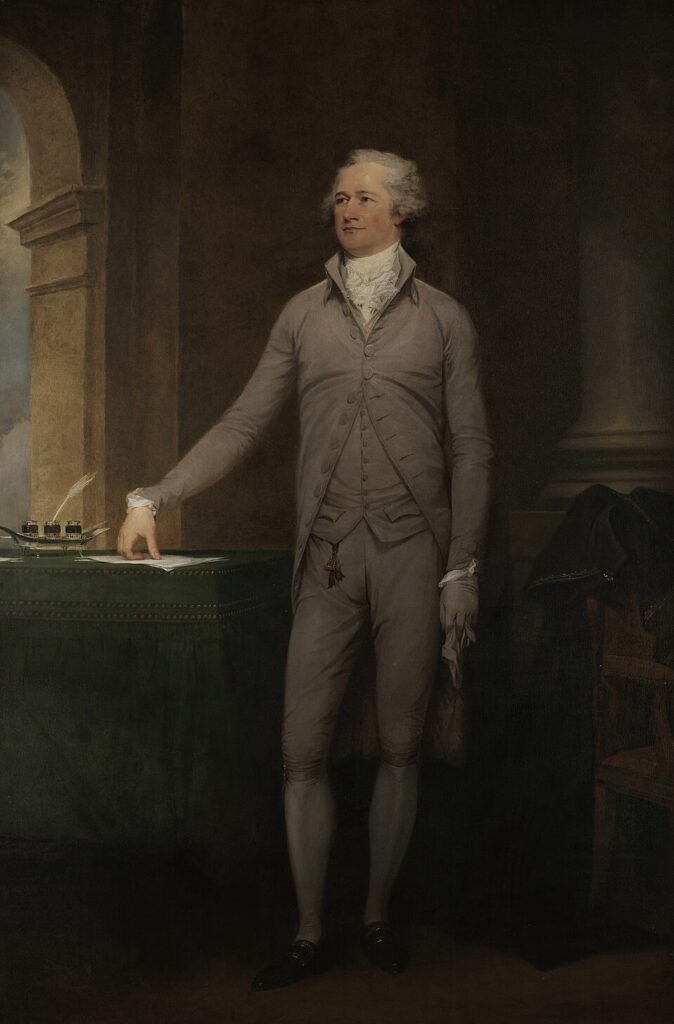
 The New Nation Era1783-1815
How did a new republic build credit, revenue, and public trust?
Turn independence into a functioning republic with trusted national finance.
The new government created revenue systems, public credit, Treasury administration, customs collection, and early national financial institutions.
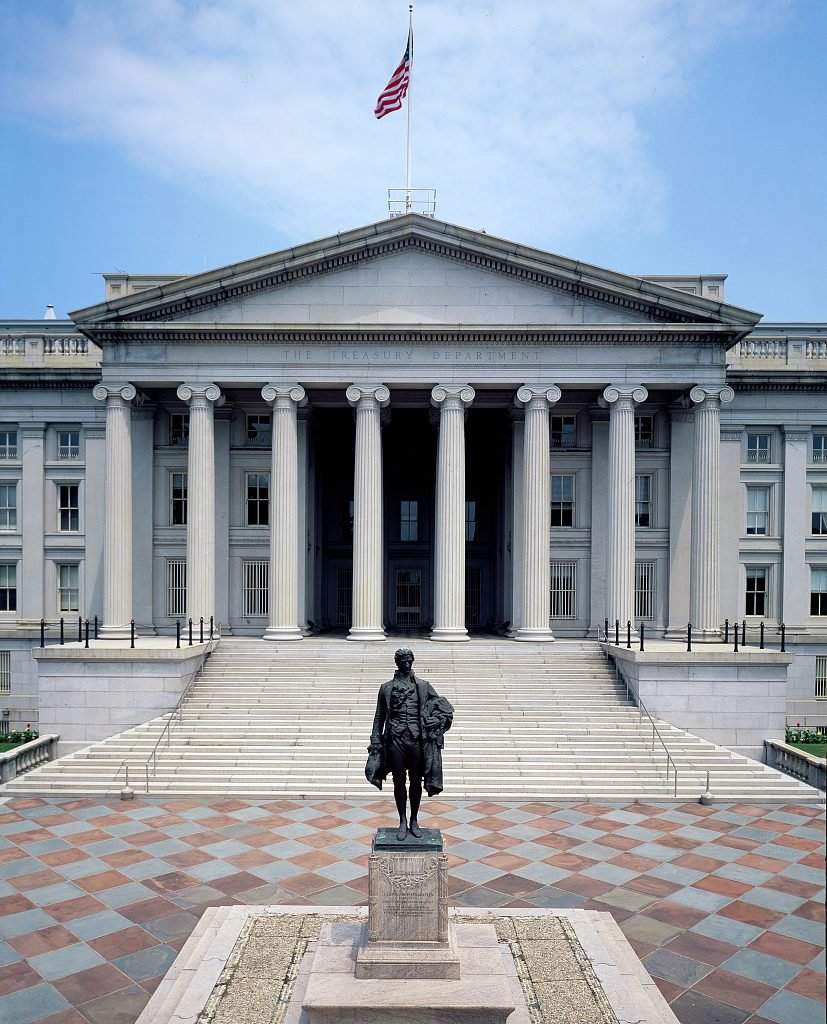
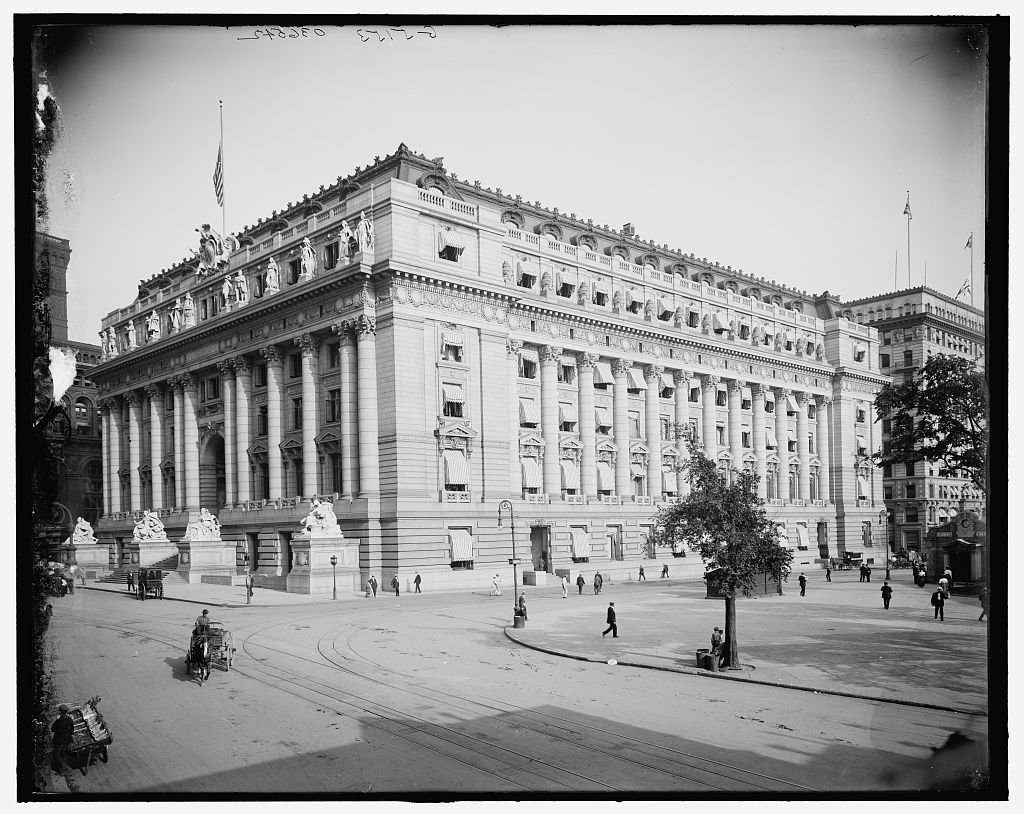
The early republic had to convert victory into government capacity. Federal leaders created the Treasury, relied heavily on customs duties, funded public debt, debated federal excises, and chartered the First Bank. These tools made the United States more credible at home and abroad, but also triggered fights over who should pay, who benefited, and how much fiscal power the national government should hold.
How America PaidHow Americans Benefited
 Expansion and Reform Era1815-1880
How did public finance help connect a growing country?
Connect regions, reduce distance, expand opportunity, support learning, and shape national identity.
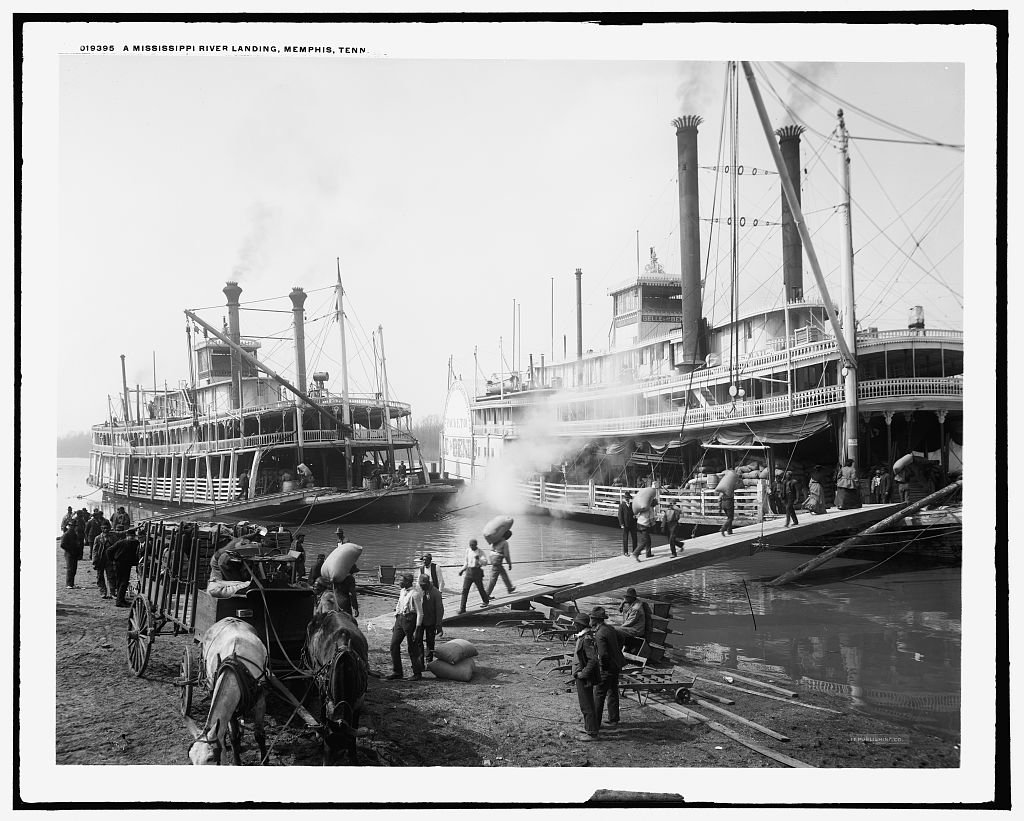
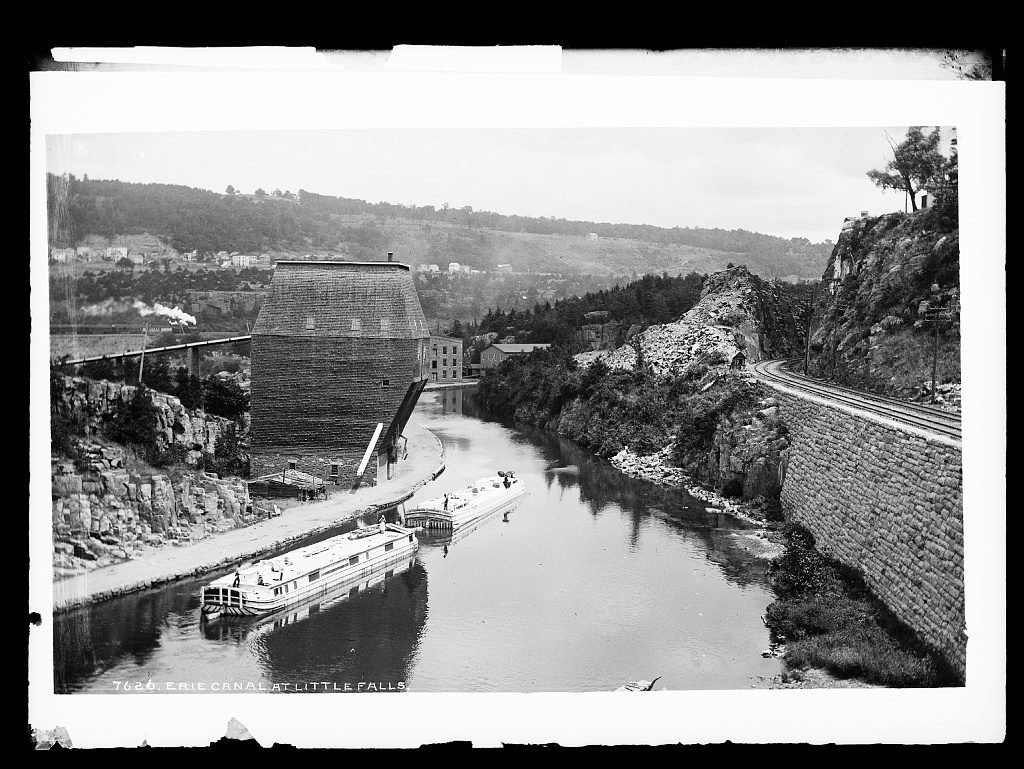
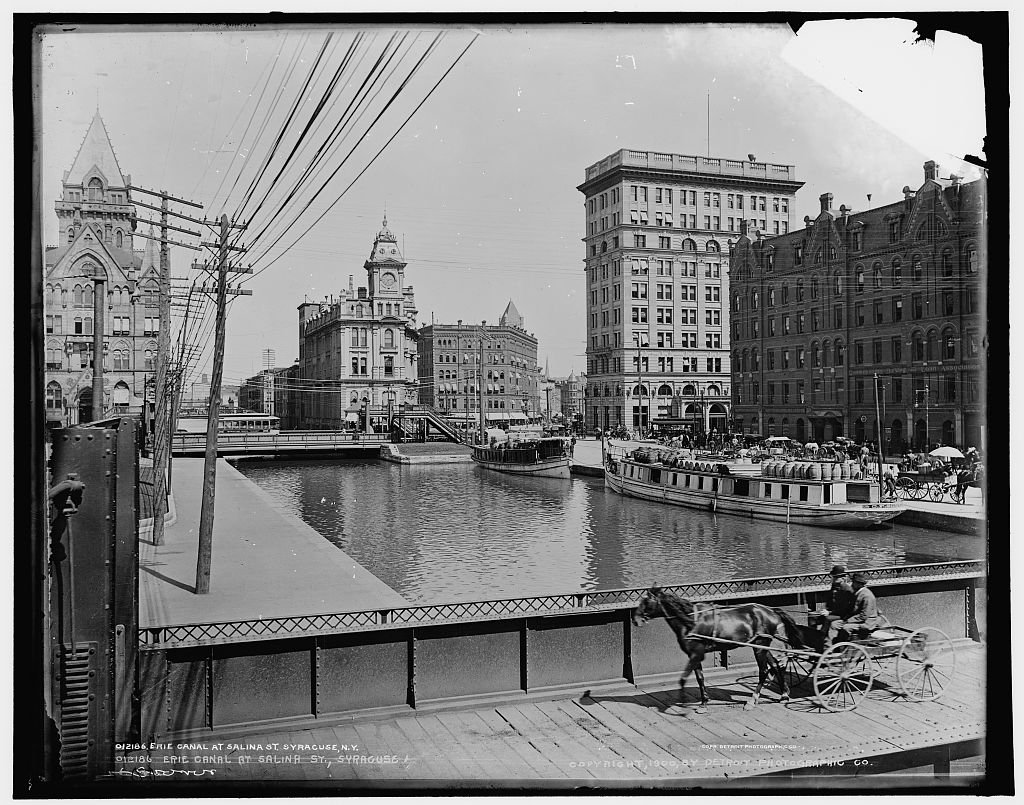
Canals, roads, land policy, colleges, public buildings, and transportation networks helped turn distance into markets and communities.
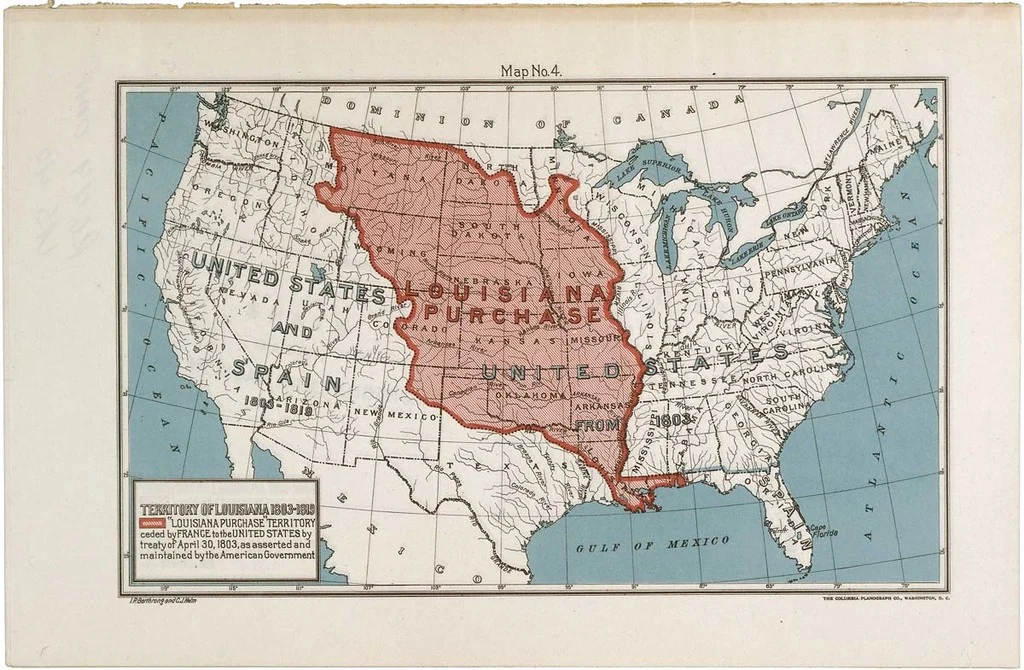
As the country expanded, public finance helped pay for roads, canals, land distribution, schools, ports, and civic institutions. States and local governments often led with bonds, tolls, taxes, and public-private charters, while federal land policy shaped settlement and education. The era showed how finance could reduce distance and build opportunity, but also how public benefits could be uneven and contested.
How America PaidHow Americans Benefited
 Civil War and Reconstruction Era1861-1877
How did public finance mobilize the nation during war and shape the country after it?
Preserve the Union, mobilize resources, rebuild, and expand national fiscal and financial institutions.
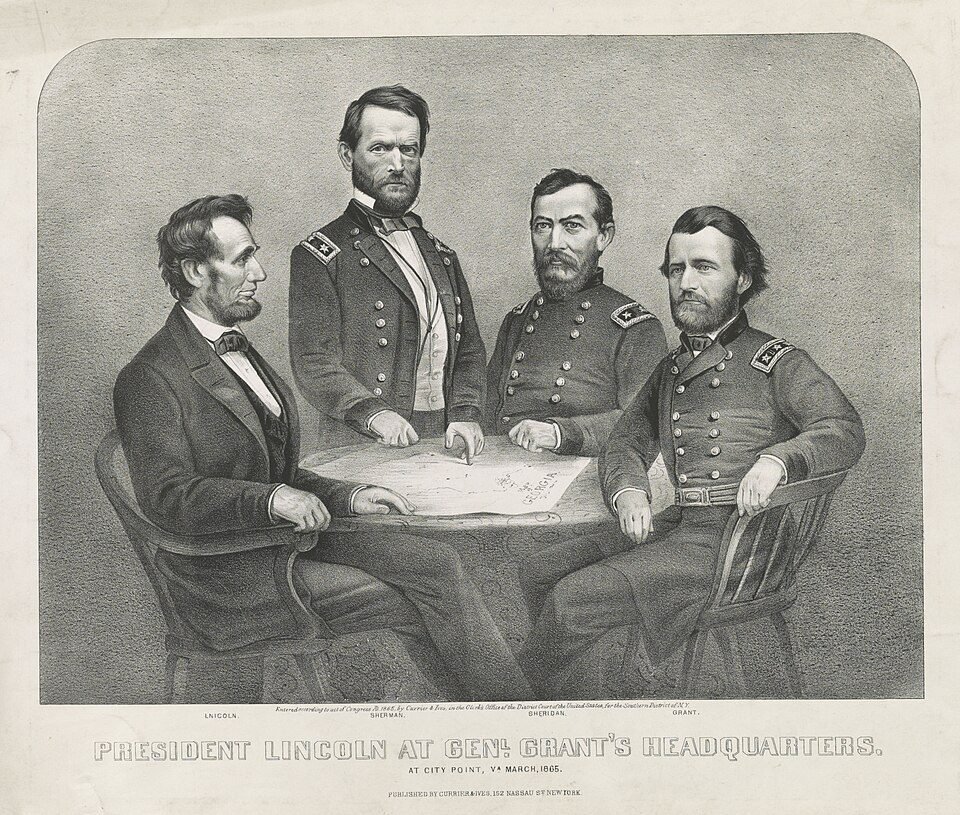
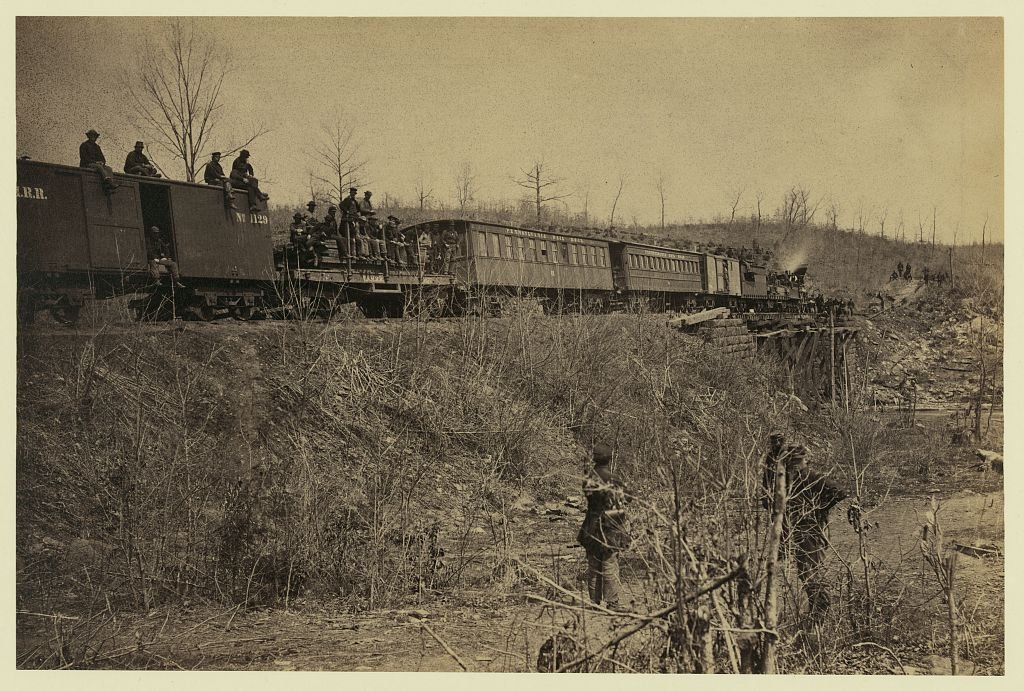
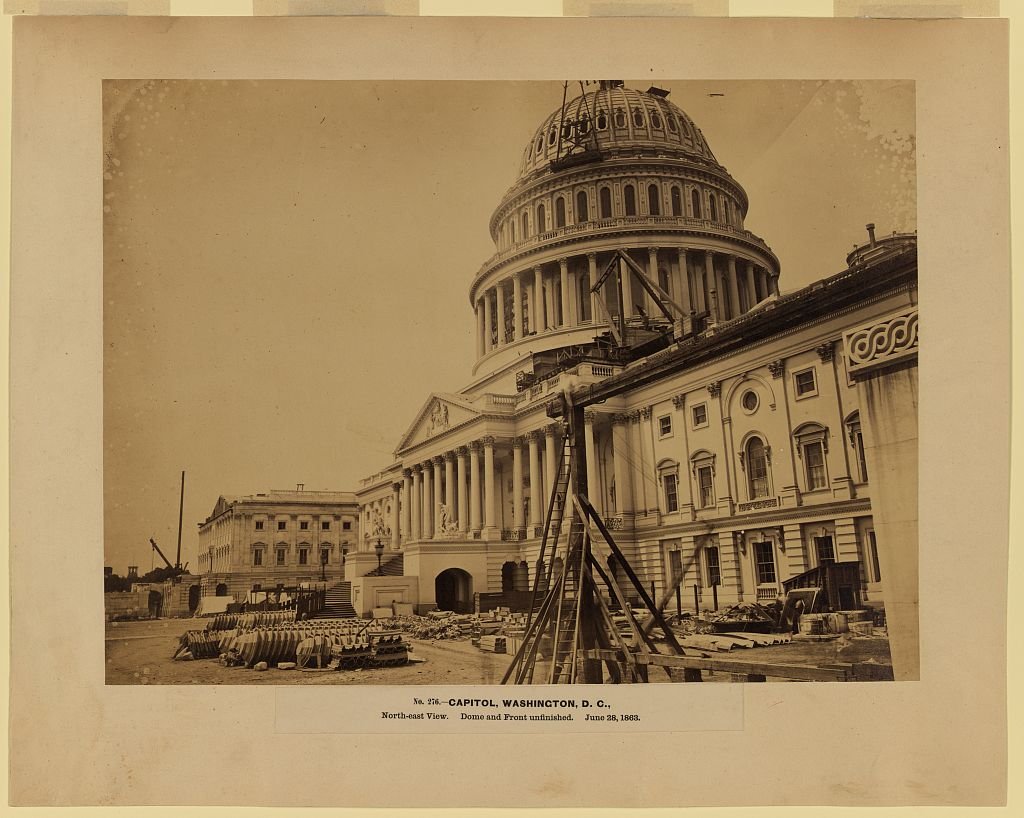
The federal government expanded war finance, national banking, taxation, currency, rail policy, and public obligations.
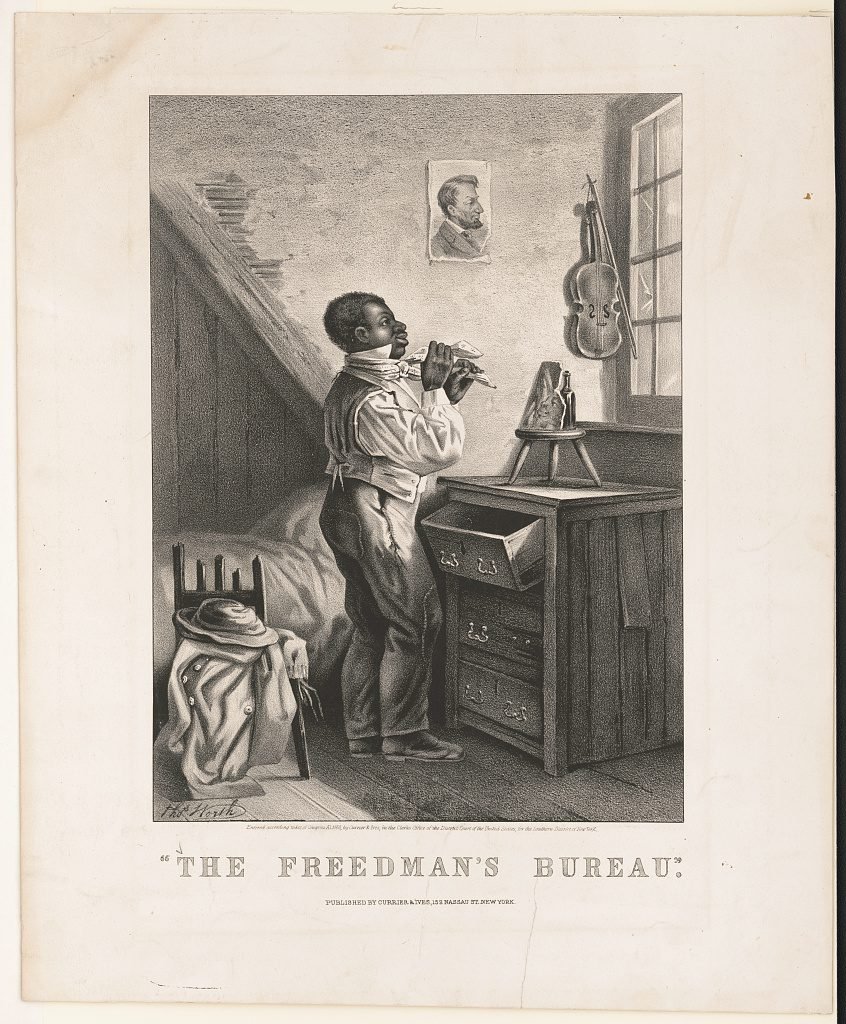
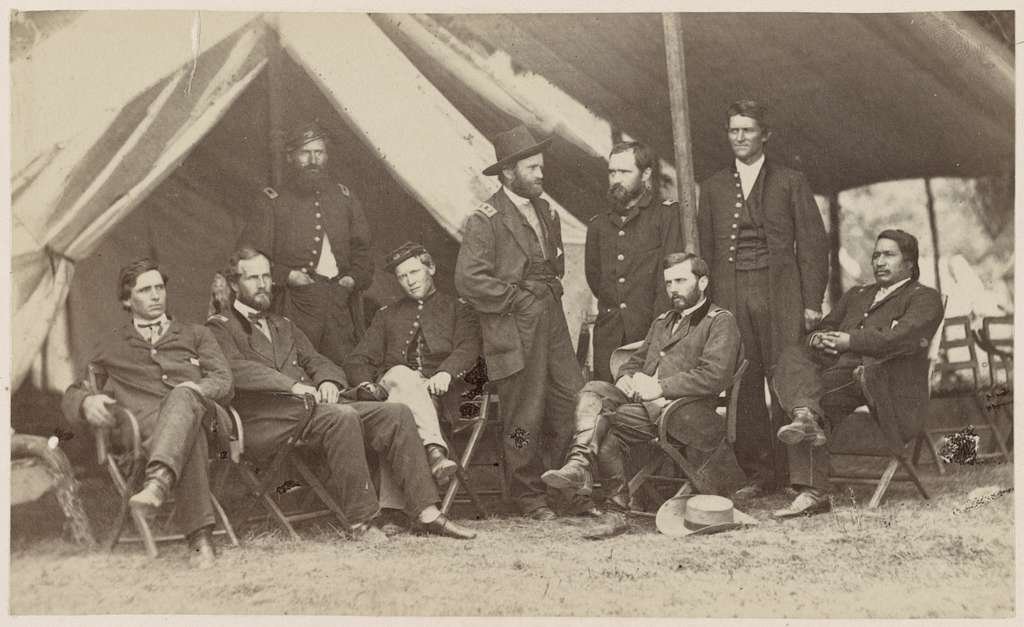
The Civil War forced the United States to finance survival at a scale never attempted before. The Union used bonds, tariffs, excises, income taxes, paper money, national banking, and land grants to mobilize armies and industry. These tools helped preserve the Union and build stronger national institutions, but Reconstruction showed that finance alone could not settle every question of citizenship, rights, or regional rebuilding.
How America PaidHow Americans Benefited
 Rise of Industrial America Era1870-1900
How did public finance support cities, markets, and industrial life?
Support mobility, urban systems, trade, public identity, and administrative capacity.
Rail networks, water systems, sewers, schools, streets, utilities, and public works made dense cities and national markets workable.
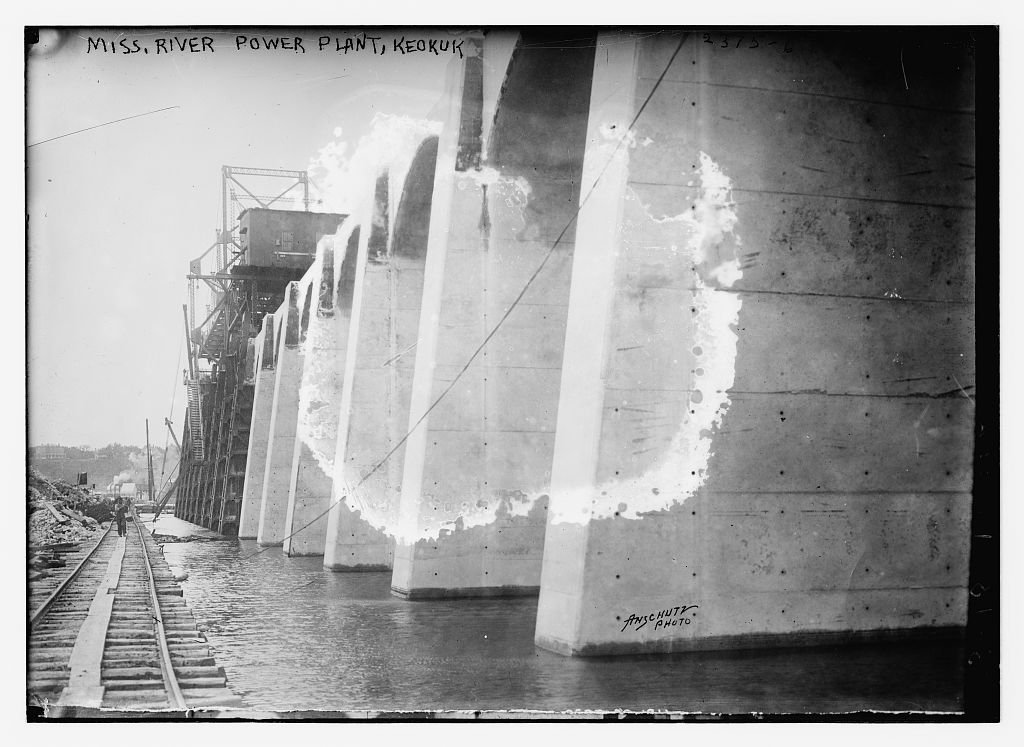
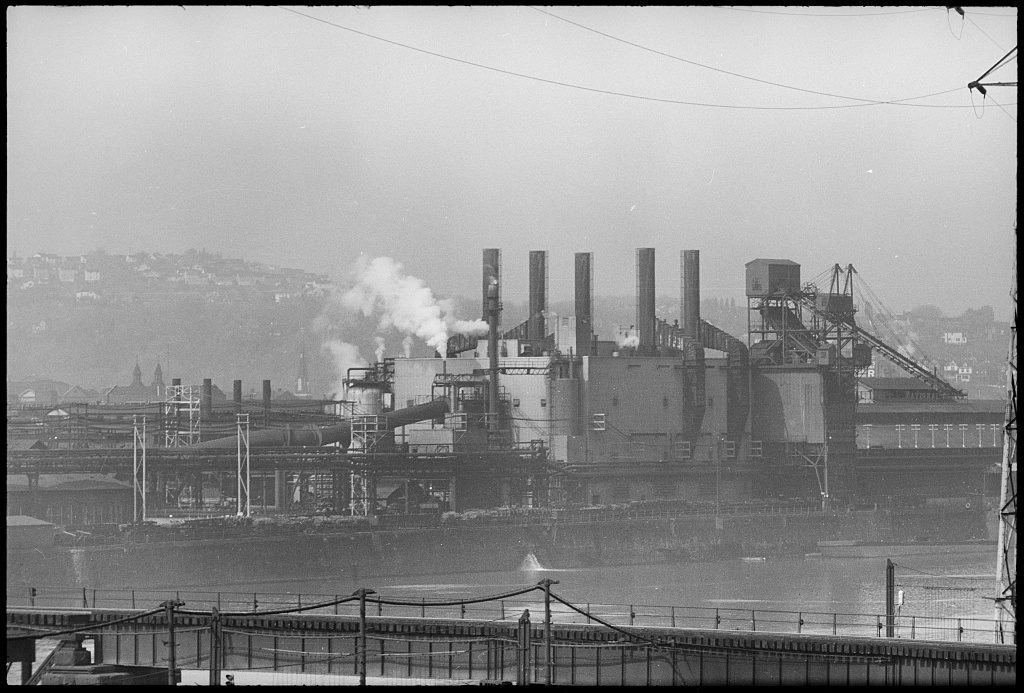
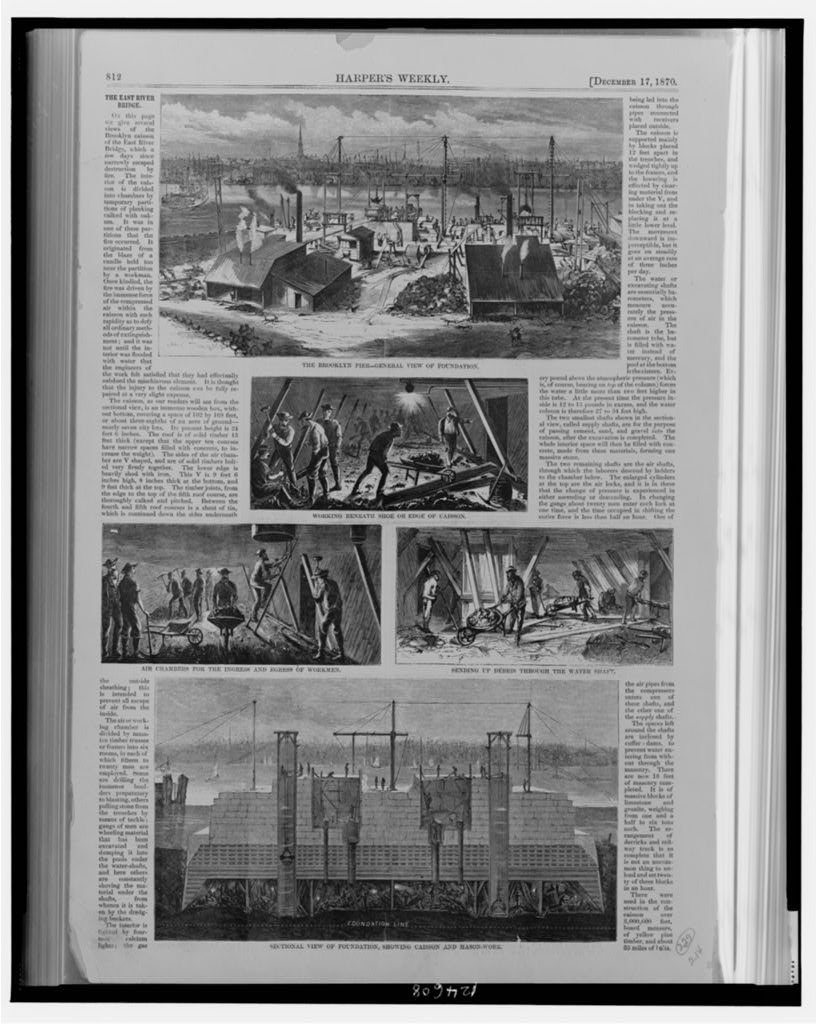
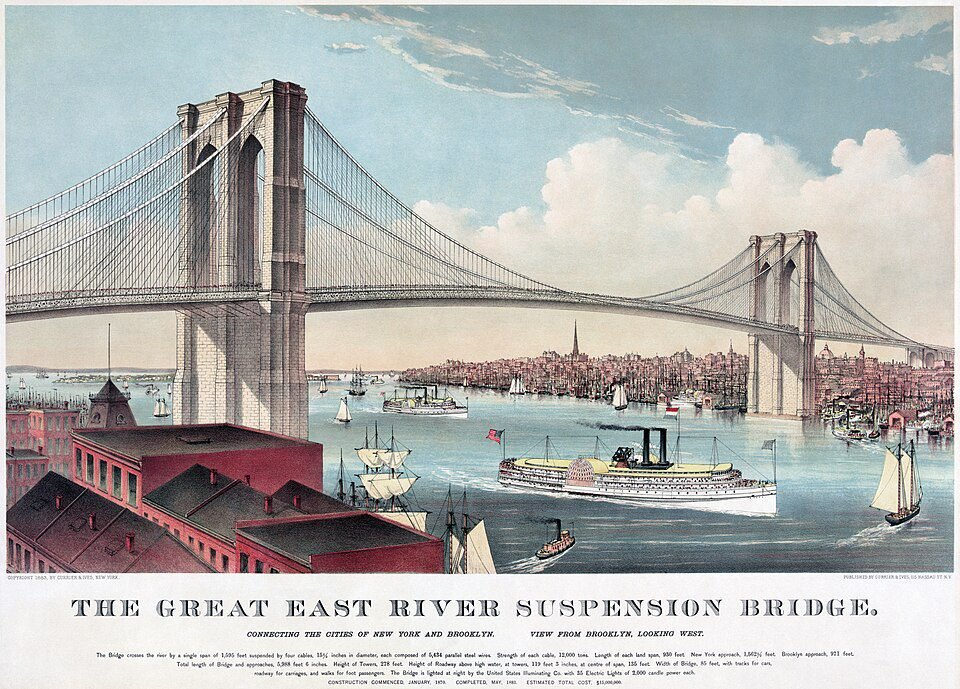
Industrial America depended on more than factories. Public finance helped support rail connections, municipal water and sewer systems, schools, streets, bridges, utility franchises, and public buildings. Tariffs, local taxes, bonds, user fees, and public-private tools helped create the systems that made dense cities and national markets possible, even as the benefits and burdens were unevenly distributed.
How America PaidHow Americans Benefited


 Progressive Era to New Era Era1900-1932
How did public finance modernize government for an urban, industrial, and global nation?
Improve mobility, water, public health, conservation, trade, strategic reach, and fiscal administration.
Income taxation, central banking, budget administration, major public works, and citizen bond finance expanded federal fiscal tools.
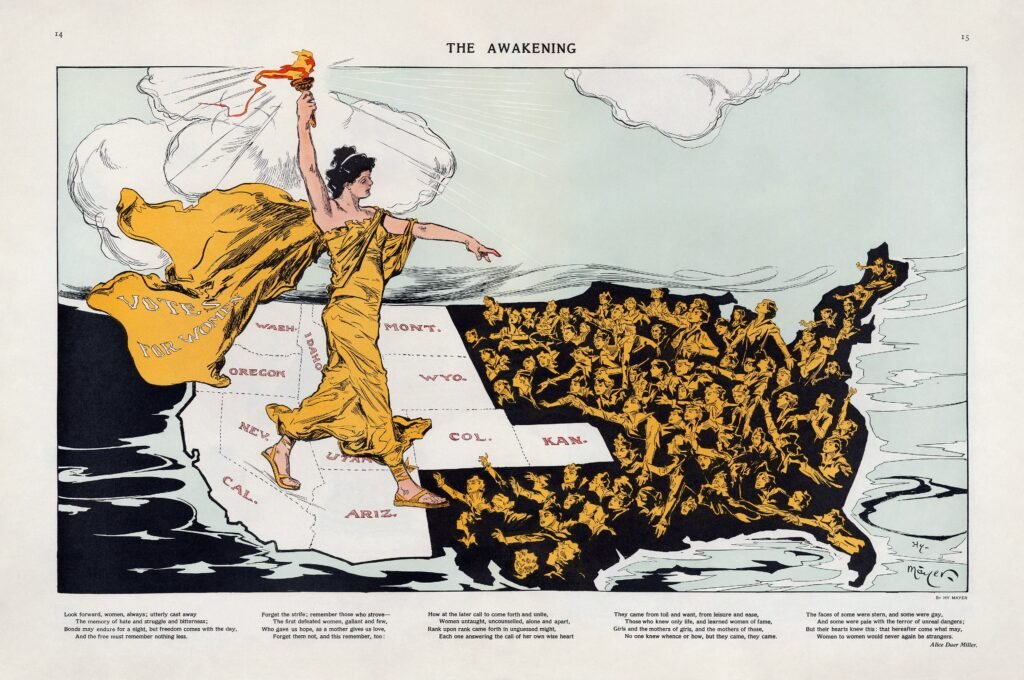
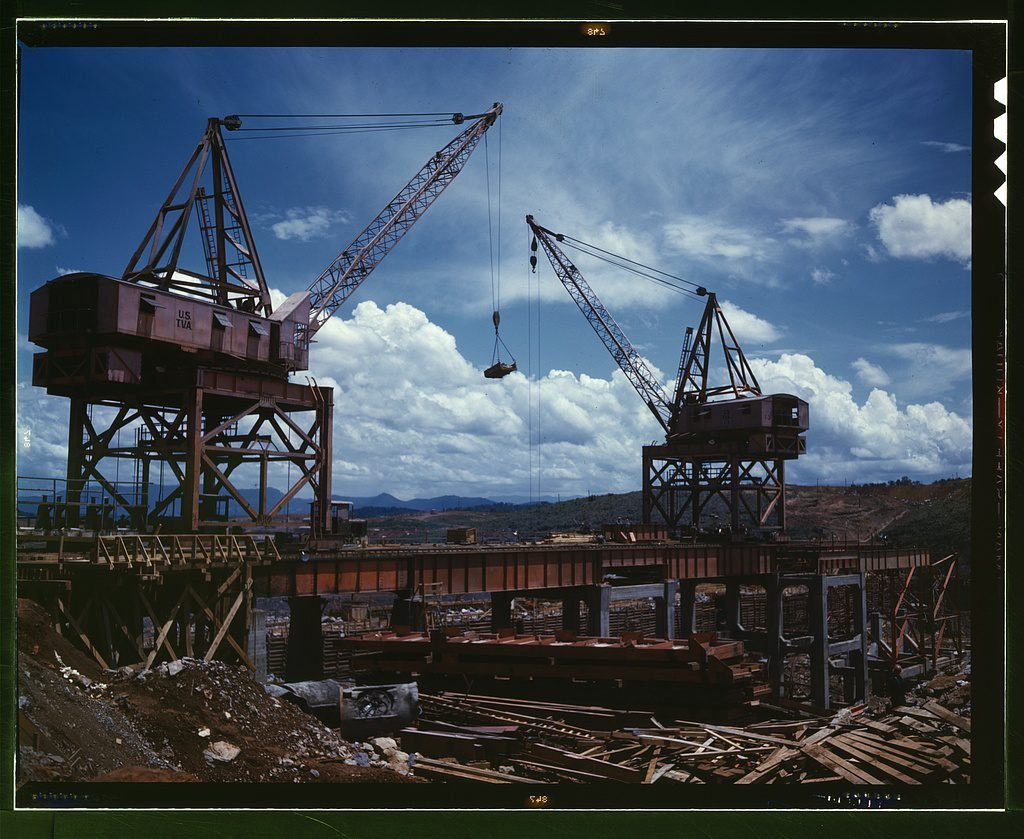
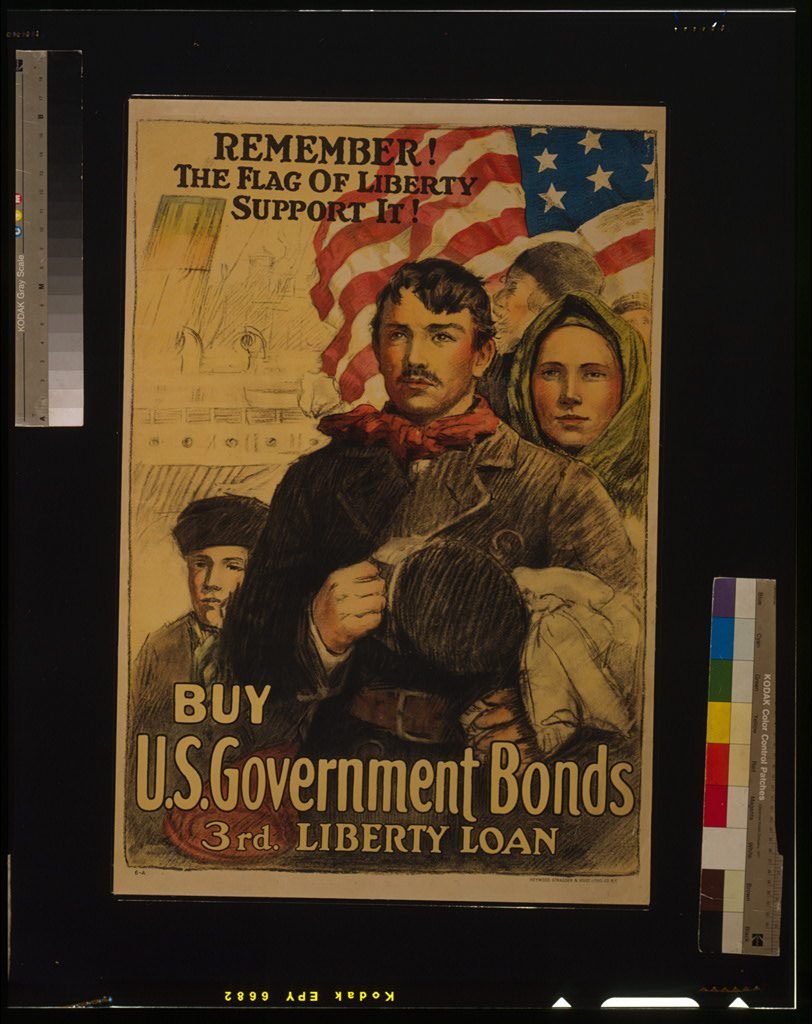
As the United States became more urban, industrial, and globally consequential, public finance changed. The federal income tax, Federal Reserve, Panama Canal, Liberty Bonds, and federal budget reforms gave the government new tools for revenue, credit, banking stability, strategic infrastructure, and war finance. The era showed how modern public finance could build and coordinate at national scale.
How America PaidHow Americans Benefited

 Great Depression and World War II Era1933-1945
How did public finance stabilize households, put people to work, and mobilize for victory?
Stabilize households, create jobs, modernize regions, mobilize for victory, and increase productive capacity.
Public works, social insurance, public power, mass taxation, war bonds, and federal borrowing scaled federal finance during crisis and war.
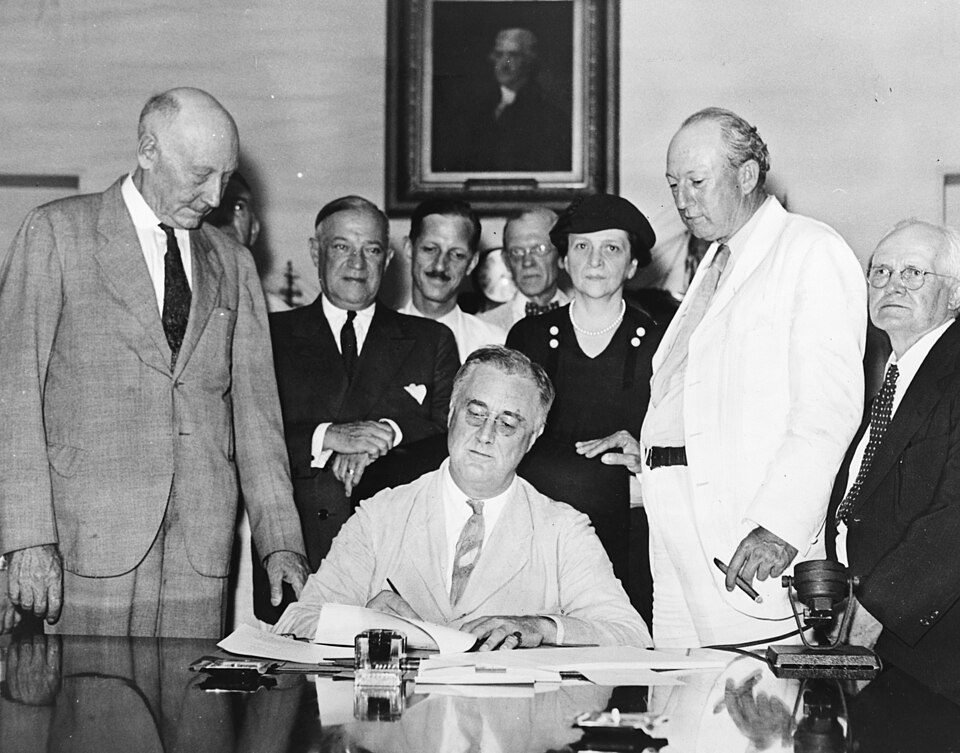
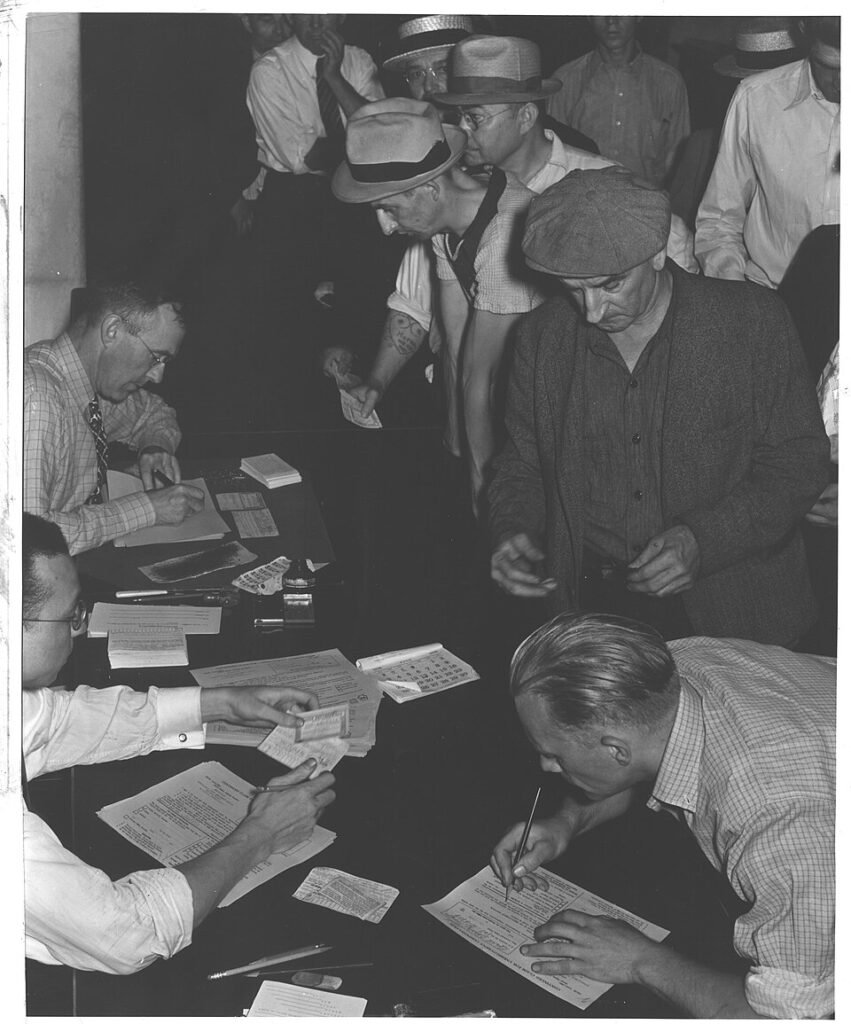
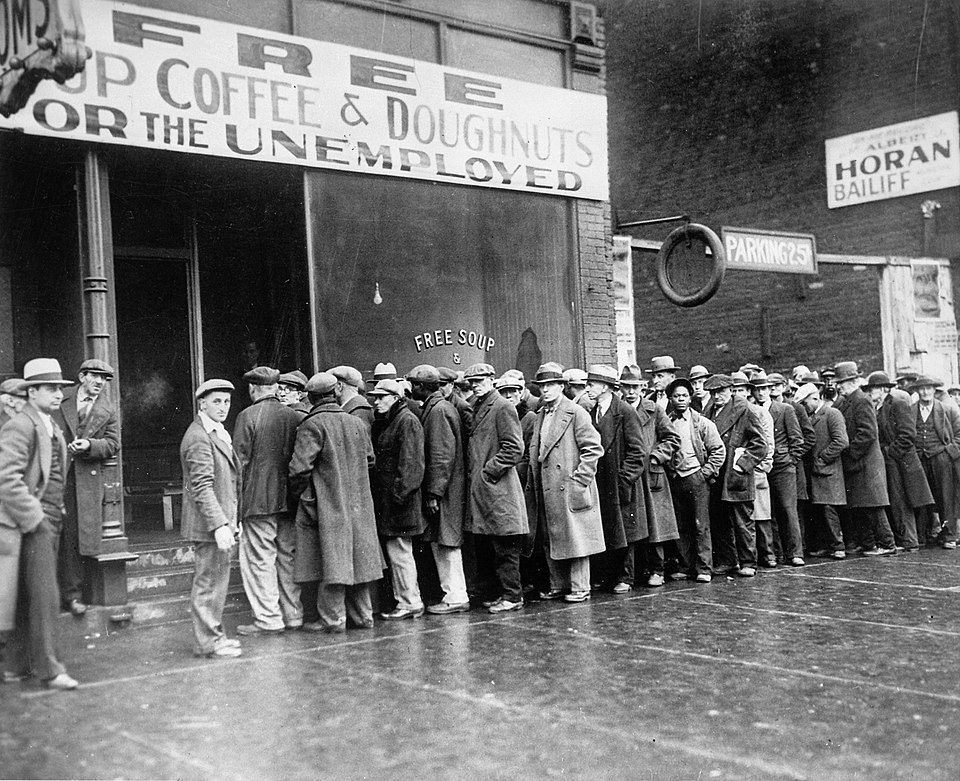
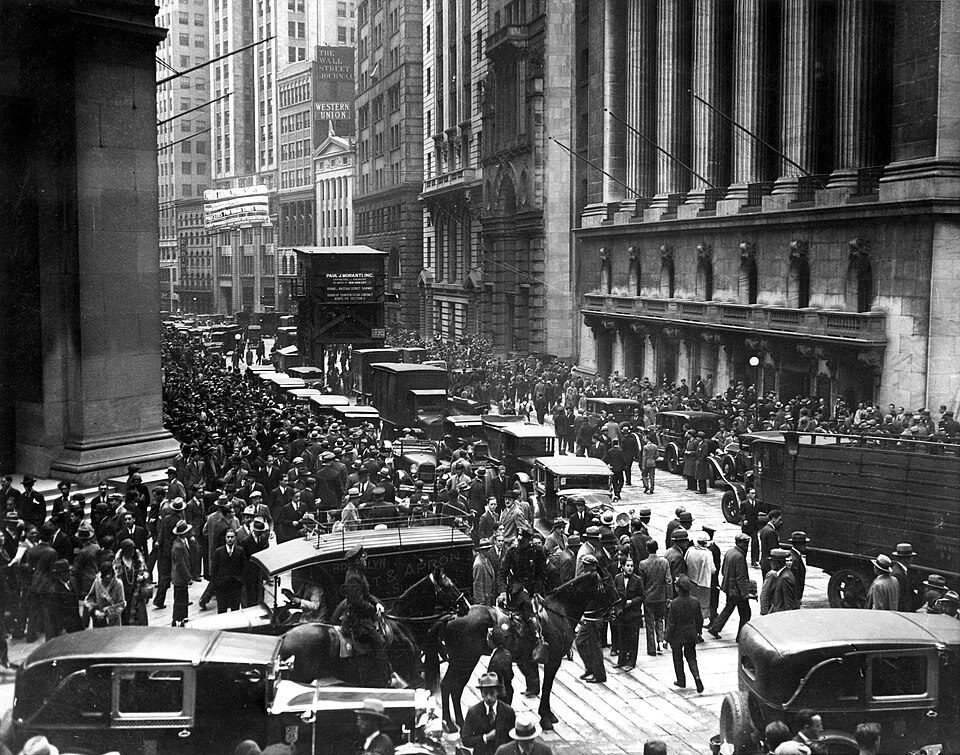
The Great Depression and World War II transformed public finance. New Deal programs used federal spending, grants, public works, social insurance, and public power to stabilize people and regions. World War II then required mass taxation, withholding, war bonds, borrowing, and industrial mobilization. Americans inherited major public systems from this era, along with larger recurring obligations and expectations.
How America PaidHow Americans Benefited


 Postwar United States Era1945-1980
How did public finance expand opportunity, mobility, health, and technological leadership?
Expand opportunity, mobility, education, security, health, housing, and technological leadership.
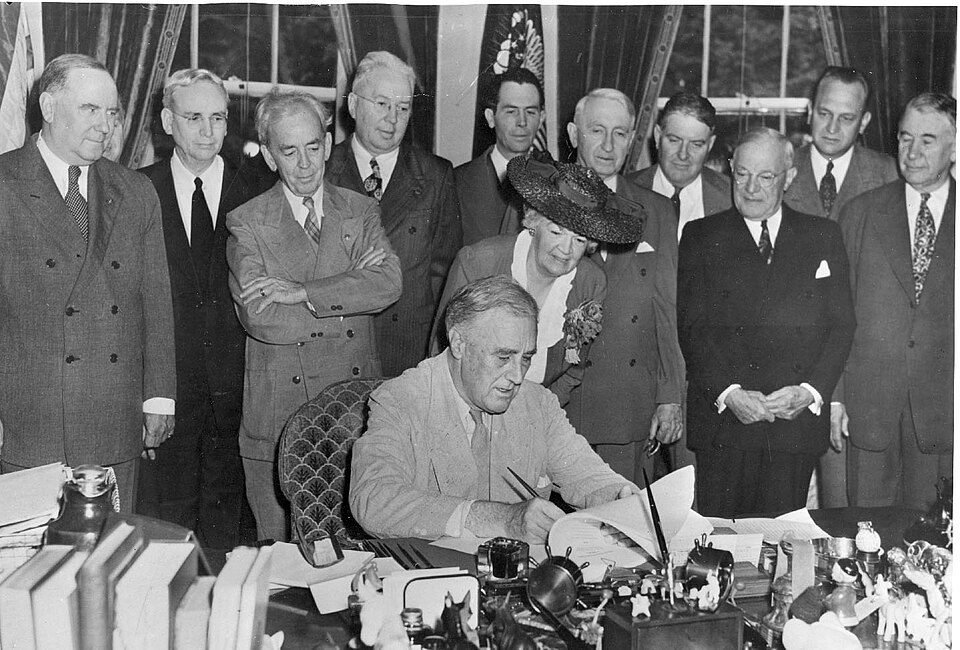
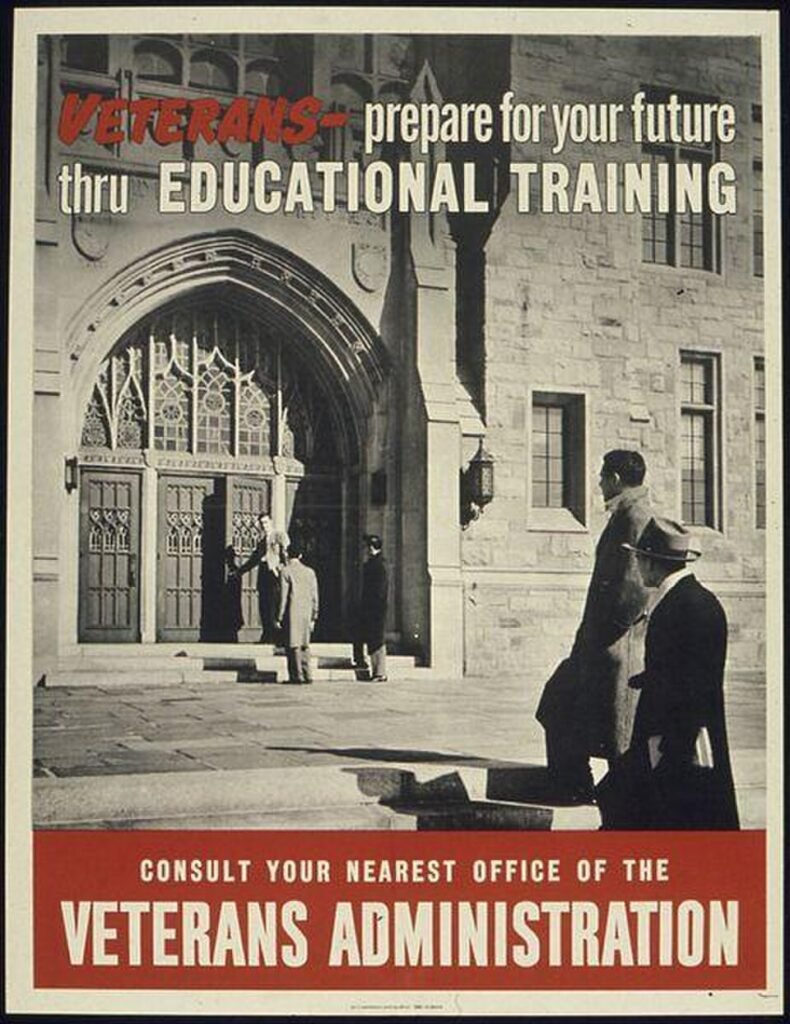
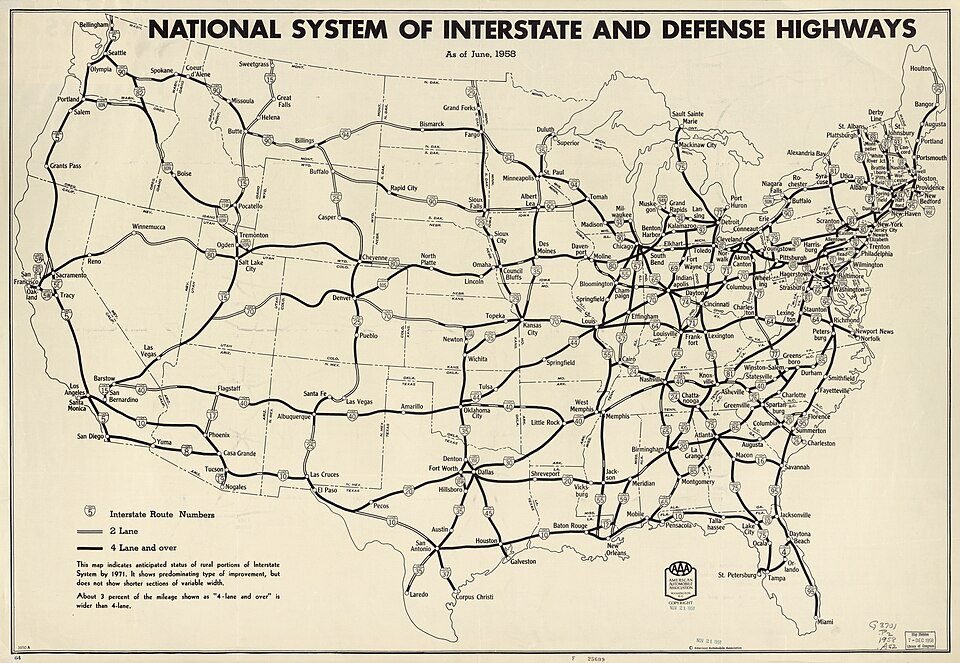
Veterans' benefits, housing finance, highways, health programs, education, and public R&D became part of normal American life.
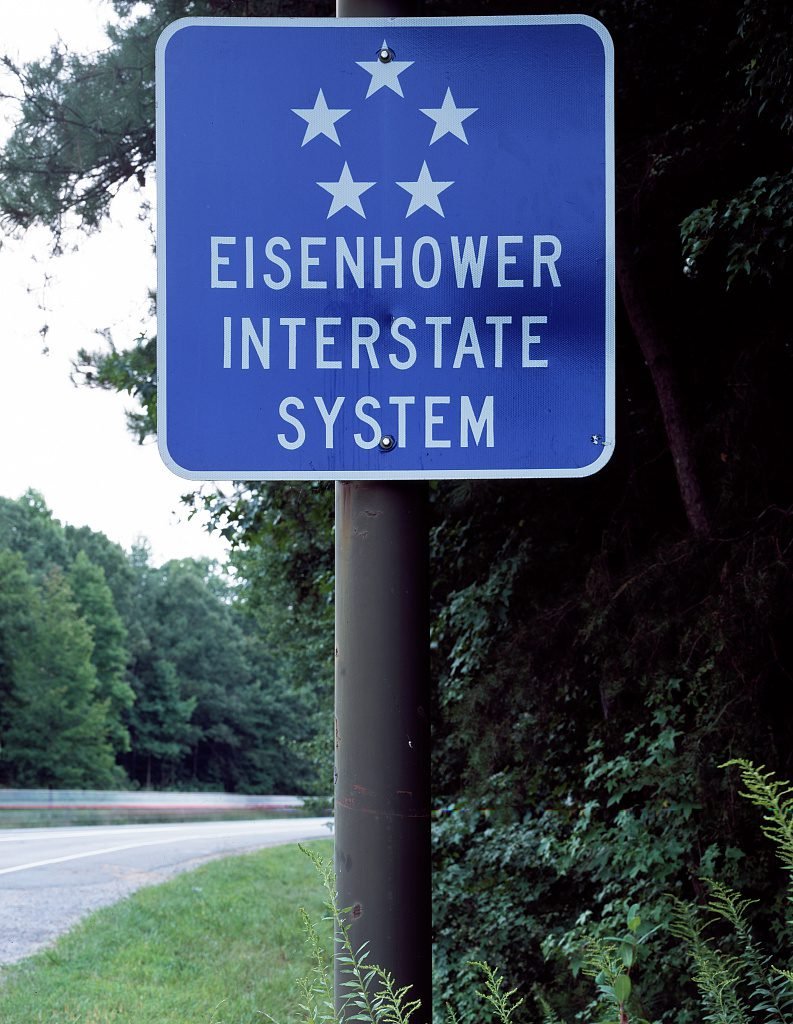
After World War II, public finance helped turn victory into opportunity and infrastructure. The GI Bill, FHA and VA housing finance, the Interstate Highway System, Medicare and Medicaid, research universities, NASA, and defense R&D shaped daily life. These systems opened doors for millions, but did not benefit everyone equally and created obligations that continued for later generations.
How America PaidHow Americans Benefited





 Modern America Era1980-Present
How do Americans sustain inherited systems while adapting to new risks and opportunities?
Sustain commitments while adapting to new risks, emergencies, security needs, innovation, and future opportunities.
Public finance supports older commitments, emergency response, security systems, disaster recovery, environmental protection, and innovation platforms.
Modern America inherits systems built across earlier eras while facing new fiscal choices. Public finance now sustains retirement and health commitments, supports emergency response, funds security and disaster resilience, and helps create innovation platforms such as GPS and the internet. The challenge is to maintain what people rely on while investing in the future and managing obligations honestly.
How America PaidHow Americans Benefited
