Nov 30, 2018
Requires federal agencies to publish their data in machine-readable formats. Part of the Evidence Act to make data available to improve Policy decisions.
Significance:
- Mandates Open Data by default
- Creates framework to manage data as an asset
- Creates central data inventory on Data.gov
- Encourages public, and Economic benefit by making data available
Learn More
Nov 30, 2016
Codifies the “presumption of openness” and limits the use of FOIA exemptions
Significance:
- Strengthens FOIA by making it harder for agencies to withhold information
- Requires records to be public if requested 3 or more times
- Creates FOIA council to review FOIA request performance
- Creates FOIA.gov to centralize FOIA info and request submissions
Learn More
Nov 30, 2014
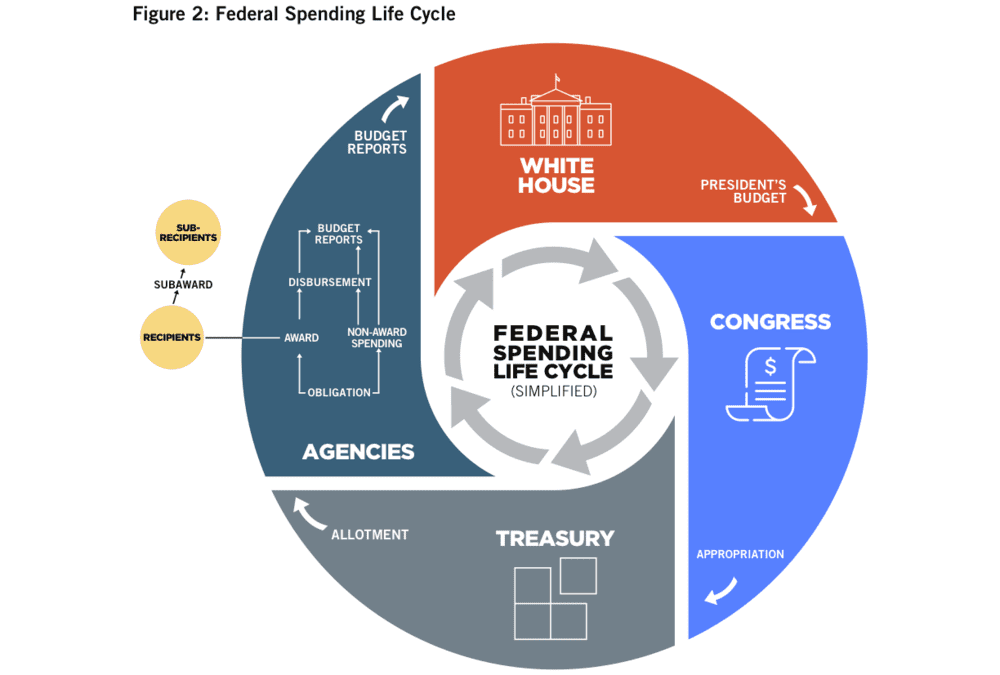
Digital Accountability and Transparency Act (DATA Act) Requires federal agencies to publish SPENDING data in a standardized format.
Significance:
- Improves the transparency and quality of federal spending data
- Fosters development of numerous Applications
- Supports Research, Analysis, and Development
- Makes more data sets and information available to the public
Learn MoreNov 30, 2007
Improves agency FOIA operations and creates the Office of Government Information Services and greater visibility and oversight of lobbying and gifts.
Significance:
- Strengthened FOIA by addressing delays and improving oversight
- Strengthens public disclosure requirements concerning lobbying activity and funding
- Places more restrictions on gifts for members of Congress and their staff
- Requires mandatory disclosure of earmarks in expenditure bills.
Learn More
Nov 30, 1996
Requires agencies to make certain types of records available electronically.
Significance:
- Modernized FOIA for the digital age, improving access to electronic records
- Allows greater visibility and dissemination through automation
- Produces records that can be stored and replicated outside of Government allowing greater oversight
Learn More