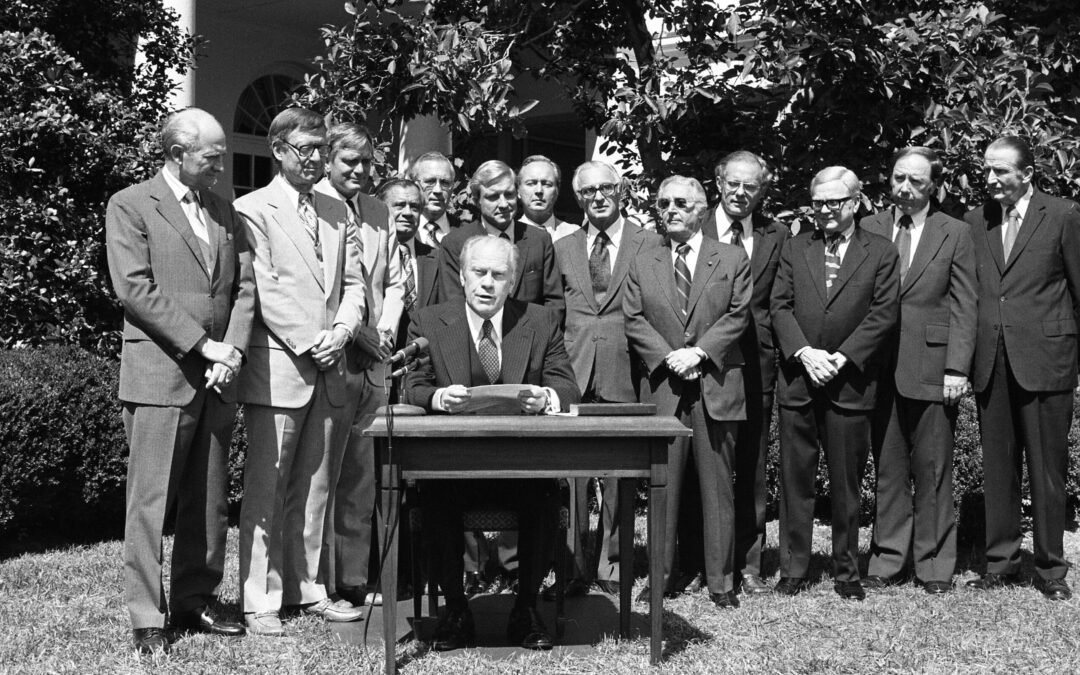
Nov 30, 1976
Requires government agencies to hold open meetings, and notices prior to holding and establishes that Government meetings must be done in open.
Significance:
- Enhances transparency by allowing public attendance at agency meetings
- Meetings must be open to the public unless 10 specific exemptions are met
- Defines “Agency” and “Meeting” to remove ambiguity over which meetings should be made public
Nov 30, 1974
Establishes a code of fair information practices for personal information maintained by federal agencies.
Significance:
- Gives individuals the right to access and amend their records, complementing FOIA
- Provides public recourse over the use and misuse of Government data
- Significant change in a politicized post Watergate era
- Foreshadows information age brought on by the emergence of Computer technology and data
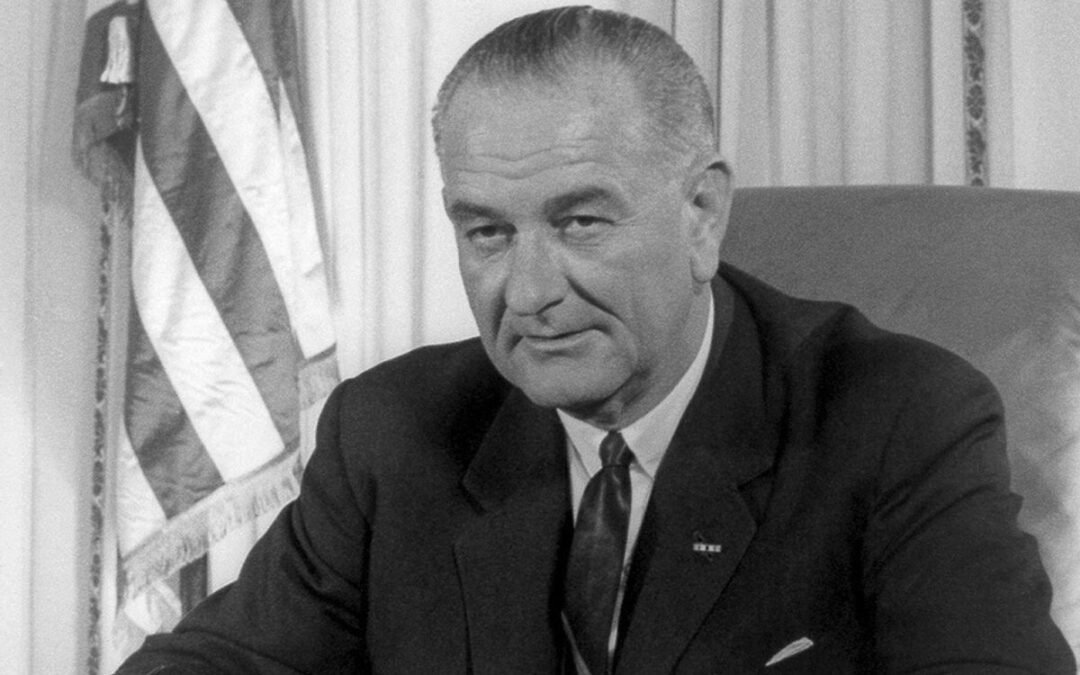
Nov 30, 1966
Establishes the public’s right to request access to records from any federal agency, a major milestone in Government Transparency.
Significance:
Allowed ordinary citizens, media, and watch dog organizations to request information
A giant step in Transparency allowing citizens to access data walled behind previously unobtainable Government bureaucracies
Codified the presumption of openness in government, allowing citizens to hold agencies accountable