
250 Years of Public Finance in America
Stories of how Americans funded and Built the Nation
Fiscal Weakness under the Articles of Confederation
Revolution revealed the limits of a government that could request money but not reliably collect it.
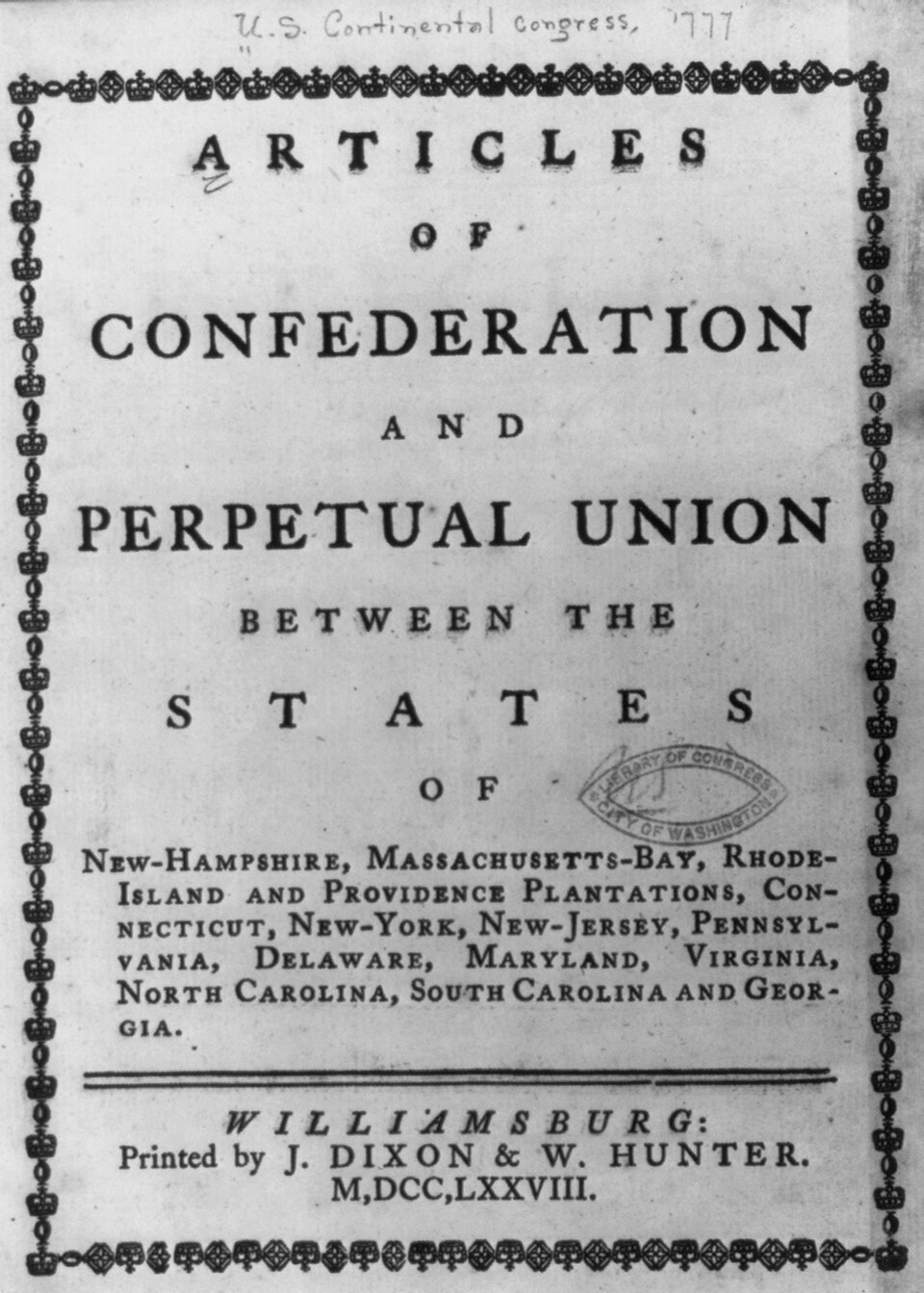
The Articles of Confederation created a national government during and after the Revolution, but it gave that government a serious money problem. Congress could declare war, make treaties, borrow, and request funds from the states. What it could not do well was collect revenue directly from the people. It depended on state requisitions, meaning states were asked to provide money or supplies. In practice, compliance was uneven, slow, and often far below what Congress needed. [1]
This lack of ability to generated revenue reliably mattered because war is expensive. Soldiers need pay, shoes, food, tents, ammunition, wagons, horses, medical care, and weapons. Armies need reliable contracts with suppliers and the trust of lenders. If a government cannot collect enough revenue, it must rely more heavily on paper money, borrowing, delayed payment, and emergency appeals. During the Revolution, that meant shortages, inflation, unpaid soldiers, strained suppliers, and constant pressure on Congress. [1]
The Articles did not fail because Americans lacked commitment to independence. Many people sacrificed deeply. The problem was institutional. A national public purpose was being pursued through a national government without the powers normally needed to carry it out financially. Congress could ask, but it could not always compel. States had their own war costs, local priorities, political disputes, and taxpayer resistance.
The weakness continued after the war. The country owed money to soldiers, domestic creditors, and foreign lenders. It needed to maintain public credit, negotiate with other nations, and support basic operations. Yet Congress still lacked reliable revenue. That made it harder to repay debts and harder to convince creditors that the United States could meet future promises.
The Articles depended on thirteen states. Congress could estimate what it needed, assign shares, and request money or supplies. If states delayed, sent less, or supplied goods instead of cash, Congress had few direct options. Soldiers and suppliers felt the weakness first: pay could be delayed, goods could be short, and paper promises often held little value.
The Constitution responded to these lessons by giving Congress clearer powers to tax, borrow, regulate commerce, coin money, and appropriate funds. Those powers were practical changes to problems Americans had just lived through. The Articles story is the bridge between the Revolution and the Constitutional design of a new Nation: courage and purpose were not enough. The public finance lesson: governments need workable ways to collect revenue, manage debt, and keep promises.
Fiscal Facts
- The Articles of Confederation gave Congress power to request funds from states, but not to levy direct national taxes. [1]
- State requisitions were often slow, incomplete, or paid in supplies instead of cash.
- The lack of effective revenue generation affected soldiers, suppliers, lenders, and the value of paper currency.
- The Constitution responded by giving Congress clearer powers to tax, borrow, regulate commerce, and appropriate funds. [2]
References
[1] National Archives, Articles of Confederation: https://www.archives.gov/milestone-documents/articles-of-confederation
[2] Library of Congress, Articles of Confederation and the Constitution: https://www.loc.gov/classroom-materials/united-states-history-primary-source-timeline/american-revolution-1763-1783/articles-of-confederation/
[3] National Constitution Center, The Articles of Confederation: https://constitutioncenter.org/the-constitution/historic-document-library/detail/articles-of-confederation-1781