

250 Years of Public Finance in America
Stories of how Americans funded and Built the Nation
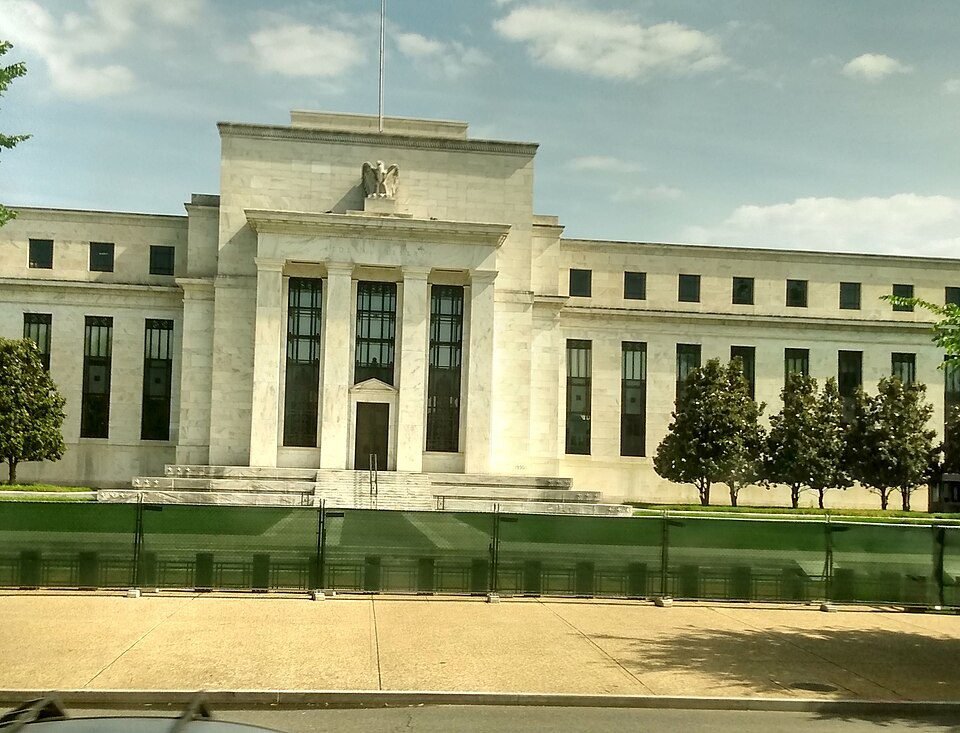
The Federal Reserve and Financial Stability
How financial panics led to a central banking system for a national economy.
Before 1913, the United States had a large economy but a fragile banking system. Money and credit conditions varied across regions. Banks were tied to local conditions. Seasonal demands for cash, especially during harvest periods, could strain the system. Financial panics exposed the weakness. The Panic of 1907 was especially important because it showed that the country lacked a reliable central institution to provide liquidity, coordinate responses, and support confidence during crises. [1]
The Federal Reserve Act of 1913 created a new central banking system. The design included a Board in Washington and regional Federal Reserve Banks. That structure reflected a compromise: the country wanted a system that could serve a national economy without placing all power in one private bank or one city. The Federal Reserve was meant to provide a more elastic currency, supervise parts of the banking system, and improve financial stability. [1]
The public finance connection is practical. Taxes must be collected. Bonds must be sold. Payrolls must be met. Businesses need credit. Families need deposits and payments to work reliably. During wartime or crisis, the link becomes clearer. A government trying to borrow or mobilize resources needs a financial system that can absorb stress. [2]
The Federal Reserve allowed the flow of payments, credit, reserves, and confidence through banks and markets. When panics hit, money can stop moving even if households and businesses still need to pay bills. The Federal Reserve provided a public framework for liquidity and payments in an economy too large to rely on informal rescue by private banks alone.
The regional design mattered because Americans feared too much control by New York or Washington alone. Reserve Banks around the country reflected the nation’s size, regional diversity, and suspicion of concentrated financial power. The Fed’s responsibilities later evolved to include monetary policy, bank supervision, payment services, and crisis response. [2]
The Federal Reserve was not created to eliminate every recession or panic. No institution can do that. Its value is institutional: after repeated panics, the country built a public framework for monetary and financial stability. Public finance includes this plumbing of money, because budgets, taxes, debt, commerce, and credit all depend on a payments system that works. The concept of a Central Bank is not without controversy, but they serve a purpose in public finance and become more important in times of crisis.
Fiscal Facts
- The Panic of 1907 helped convince policymakers that the banking system needed a stronger national framework. [1]
- The Federal Reserve Act was signed in 1913. [1]
- The system included a Board in Washington and regional Reserve Banks. [2]
- The Fed supports money, payments, bank stability, and credit conditions, though it does not control every economic outcome.
References
[1] Federal Reserve History, Federal Reserve Act Signed: https://www.federalreservehistory.org/essays/federal-reserve-act-signed
[2] Federal Reserve Board, About the Fed: https://www.federalreserve.gov/aboutthefed.htm
[3] Library of Congress, Progressive Era overview: https://www.loc.gov/classroom-materials/united-states-history-primary-source-timeline/progressive-era-to-new-era-1900-1929/overview/